How to Keep Squirrels From Eating Pumpkins Outside

The short version of how to keep squirrels from eating pumpkins: a physical barrier is the only thing that works every time, a capsaicin (hot pepper) coating is the best of the sprays and has to be reapplied after rain, sealing the cut edges of a carved pumpkin slows both the squirrels and the rot, and timing beats all three. A pumpkin sitting on a porch for four weeks will be found. One put out three days before Halloween mostly won't be. In the garden, the answer is harvesting the day the fruit is ripe instead of leaving it on the vine as a snack bar.
Not sure your pumpkins are ready to come in? Our free when to harvest lookup gives you the ripeness signs so you can pull them the moment they're cured, before the squirrels start.
Updated September 2026
Squirrels aren't after the pumpkin, exactly. They want the seeds, which are fat and protein at the one time of year they're stocking up for winter. Everything below follows from that: the softer and more open the pumpkin, and the longer it sits, the more it looks like a feeder.
Do Squirrels Actually Eat Pumpkins?
Yes, and with enthusiasm. Gray squirrels, fox squirrels, and red squirrels all chew through a pumpkin rind to get at the seeds, and once one has opened a hole the rest of the neighborhood follows. Chipmunks do the same on a smaller scale. Deer, raccoons, rats, and groundhogs will also eat pumpkins, so if you're finding damage, check what you're dealing with before you spend a weekend on the wrong fix.
Telling them apart by the damage:
| Damage pattern | Most likely culprit |
|---|---|
| Small chewed hole, 1 to 3 inches, seeds pulled out and shell fragments scattered nearby | Squirrel or chipmunk |
| Neat gnaw marks with paired tooth grooves, often at night, pumpkin dragged | Rat |
| Large chunks bitten from the top or sides, whole face of a carved pumpkin gone overnight | Deer |
| Pumpkin tipped, torn open messily, seeds and pulp everywhere | Raccoon |
| Whole small pumpkin carried off or half-buried | Squirrel (caching) |
Squirrel damage happens in daylight, which is the easiest tell. If your pumpkin is fine at dusk and wrecked by morning, it's not squirrels.
How to Keep Squirrels From Eating Pumpkins: What Works, Ranked
Here's the honest ranking, from the methods with solid evidence behind them down to the ones people swear by that don't hold up.
| Method | How well it works | Porch | Patch | Effort |
|---|---|---|---|---|
| Hardware cloth cage or netting | Excellent, near total | Yes, if you accept the look | Yes | Medium, one-time |
| Capsaicin (hot pepper) coating | Good, reapply after rain | Yes | Yes, on the fruit only | Low, repeated |
| Sealing cut edges (petroleum jelly, wax, clear sealant) | Good for carved pumpkins | Yes | Not relevant | Low |
| Timing: carve and display late, harvest early | Very good | Yes | Yes | None |
| Motion-activated sprinkler | Good in the patch, mixed on a porch | Sometimes | Yes | Medium |
| Removing other food (bird feeders, fallen nuts) | Moderate, reduces traffic | Yes | Yes | Low |
| Distraction feeding | Mixed, can attract more squirrels | Risky | Risky | Low |
| Predator urine, blood meal | Weak, short-lived | Weak | Weak | Low |
| Ultrasonic devices | No good evidence | No | No | Low |
| Plastic owls, fake snakes | Days at best, then ignored | No | No | Low |
| Mothballs | Do not use; toxic and not labeled for this | No | No | None |
The top four cover almost everyone. The rest are things to try in addition, not instead.
Barriers: the only method that never fails
A cage of half-inch hardware cloth over a pumpkin in the garden stops squirrels, chipmunks, and rats completely, and it stops birds from pecking the rind while you wait for it to cure. Fold a piece into a box big enough to clear the fruit by a couple of inches, weight the edges with bricks, and lift it off to check ripeness. Bird netting draped over a whole hill and pinned down works nearly as well for squirrels, though a determined one will chew through plastic netting given a week.
On a porch, a cage isn't pretty, but a decorative wire cloche or a lantern-style cage does the job for a display that has to last a month. Most people would rather use the next three methods for the porch and save the cage for the garden.
Capsaicin coating: the spray that actually works
Mammals have receptors that react to capsaicin, the hot compound in chili peppers, and birds don't, which is why hot-pepper bird seed exists. A squirrel that bites a pumpkin coated in it gets a mouthful it won't forget and usually moves on.
You can buy a capsaicin-based animal repellent or make a simple version: a tablespoon of ground cayenne or hot sauce in a cup of water with a few drops of dish soap to help it stick, shaken and sprayed or brushed over the whole outside of the pumpkin. Concentrate on the top and the stem area, where squirrels start. Reapply after any rain and every four or five days regardless, because it fades in sun.
Two warnings. Wear gloves, keep it off your face, and don't do this on a windy day. And don't put capsaicin on a pumpkin you intend to eat or one that kids will handle heavily, since it transfers to hands and then to eyes.
Sealing a carved pumpkin
A carved pumpkin is an open buffet with the hard rind already removed, so squirrels go straight for the cut edges. Sealing those edges does two jobs: it makes the exposed flesh less appealing and slows the drying and mold that shorten a jack-o'-lantern's life.
- After carving, rinse the inside and pat the cut surfaces dry.
- Rub petroleum jelly, vegetable oil, or a beeswax-type wood balm over every cut edge and the inside of the lid opening.
- Let it sit an hour, then coat the outside with your capsaicin spray.
- Put the lid back on when you're not lighting it, so the seed cavity isn't wide open all day.
A soak in a bucket of water with a splash of household bleach for a few minutes before sealing slows mold, which matters because a soft, molding pumpkin is the one squirrels find first. Some people spray clear acrylic sealer or hairspray on the cut edges instead of jelly; it holds a bit longer but makes the pumpkin harder to compost.
Timing: the cheapest fix there is
Every day a pumpkin sits outside is another day for a squirrel to find it. The two timing rules:
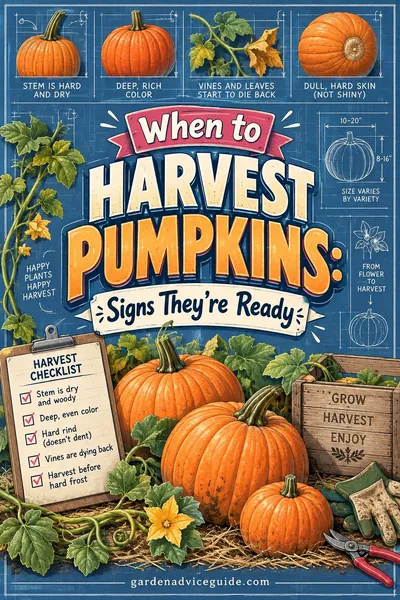
- In the garden, harvest the day it's ripe. A cured pumpkin is safer indoors or in a garage than on the vine. Our when to harvest pumpkins page covers the thumbnail test and the corky stem, and you can pull the fruit within a day of passing both.
- On the porch, display whole pumpkins late and carve later still. Whole, uncarved pumpkins can go out two or three weeks ahead with a capsaicin coating. Carve as close to Halloween as you can stand, two or three days ahead at most, and bring the carved one inside or into the garage overnight if you're having trouble.
Porch Pumpkins vs Garden Pumpkins: Two Different Problems
People search this question for two different reasons, and the fix is different for each.
In the patch, the pumpkin is still growing or curing on the vine. Squirrels usually leave a growing pumpkin alone until the rind starts to color and the seeds inside are mature, so the damage window is the last two or three weeks before harvest. The fruit is on the ground, surrounded by cover, and you can't spray it every day without hitting the plant. Barriers and early harvest win here. A hardware cloth cage over each fruit once it starts turning orange, or netting over the hill, plus pulling the fruit the day it's cured. If you have a competition fruit in the ground for months, see how to grow giant pumpkins, where fencing the whole patch is standard practice.
On the porch, the pumpkin is already harvested and you want it to look good for a few weeks. It's in the open, near the house, and often near a bird feeder that's been training squirrels all year. Here the winning combination is coating plus sealing plus timing, with a cage or an overnight move indoors as the fallback.
The porch problem is also where people waste the most money on gadgets. A squirrel that has been fed from a feeder on that porch since March is not going to be scared by an owl statue.
What Doesn't Work, and Why
Ultrasonic repellers. There's no good evidence that they deter squirrels, and the squirrels living under your porch already live with lawn mowers and leaf blowers. Save the outlet.
Plastic owls, rubber snakes, reflective tape. These buy you two or three days. Squirrels habituate to anything that doesn't move or hurt. If you must, move the decoy every day, which most people stop doing by day four.
Mothballs. They're a pesticide, and using them loose outdoors to repel animals isn't what the label allows. They're also toxic to pets, kids, and the soil. Don't.
Coffee grounds, human hair, dryer sheets, Irish Spring soap. Anecdotes only. If any of these worked reliably, the squirrel population would have noticed by now.
Feeding the squirrels something else. This is the tempting one: put out a bowl of corn or peanuts so they leave the pumpkin alone. What happens instead is you signal to every squirrel in a quarter mile that your porch has food, the feeder empties, and they turn to the pumpkin anyway. Some people make it work by placing the feeder far from the house, but it tends to grow the problem over a season.
Peppermint oil sprays. Strong smell, weak result. It fades in hours outdoors and squirrels ignore it once they've tasted the seeds.
A Full Plan for a Halloween Porch Display
Here's a worked example for a typical setup: three whole pumpkins on the steps from mid October, one of them carved for the last few days. Assume you're in a neighborhood with a healthy squirrel population and a bird feeder in the yard.
| Date | What you do |
|---|---|
| October 10 | Move the bird feeder to the far side of the yard, away from the porch, or take it down until November. Rake up fallen acorns and walnuts near the steps. |
| October 12 | Set out three whole pumpkins. Brush the whole surface of each with a capsaicin mix. Set them on a board or a bit of gravel, not bare concrete that stays wet. |
| October 16 | Reapply capsaicin after the first rain. Check the stems and tops for test bites. |
| October 21 | Second reapplication. Turn each pumpkin a quarter turn so any soft spot on the bottom faces air. |
| October 26 | Third reapplication. A squirrel has nibbled the stem of one; rub extra mix on that spot. |
| October 29 | Carve one pumpkin. Bleach rinse, dry, petroleum jelly on all cut edges and the lid rim, capsaicin on the outside. |
| October 29 to 31 | Carved pumpkin goes into the garage overnight and comes back out in the afternoon. The two whole pumpkins stay out. |
| November 1 | The whole pumpkins can be moved to a cool garage or composted. Take the carved one down before it collapses. |
Total: four coats of spray, one hour of prep, no gadgets, and three pumpkins that made it through nineteen days. The two things doing the heavy lifting were the feeder move on October 10 and carving on the 29th instead of the 15th.
If you're not carving at all, skip the sealing step and stick with coating and timing, and the same pumpkins can often be moved to the garage after Halloween and kept for pie into December.
Protecting Pumpkins Still in the Garden
Squirrels and chipmunks in a pumpkin patch behave a little differently: they tend to strike as the rind colors up, they like fruit sitting in the shade of the leaves where they feel covered, and they often gnaw the bottom where the fruit meets the soil.
A short checklist for the last three weeks before harvest:
- Slide a board, a flat stone, or a scrap of cardboard under each fruit so the bottom is off the damp soil. It also stops bottom rot.
- Trim a few leaves around each fruit so it's in the open. Squirrels prefer cover, and the sun helps the rind harden.
- Cage each coloring fruit with hardware cloth, or net the whole hill and pin the edges.
- Check the thumbnail test every few days and cut the fruit the day it passes, with 3 to 4 inches of stem left on.
- Once cut, cure in a warm, dry, covered spot for about 10 to 14 days, not on the lawn.
If squirrels have already opened a pumpkin in the patch, harvest it now. The seeds are gone and the wound will rot, but the flesh is still fine to use within a few days, and leaving it teaches the whole population where the buffet is.
For the general end-of-season tidy that also removes squirrel cover, see fall garden cleanup. And if your damage is bigger than a squirrel's, our page on plants deer love explains what a hungry deer does to a fall garden and what it takes to stop one.
When It's Not Just Squirrels
If you've done all of the above and pumpkins are still being wrecked overnight, you're dealing with something nocturnal. Raccoons tip pumpkins over and pull out the pulp in handfuls. Rats gnaw low on the fruit and leave droppings. Deer take big bites out of the top or the carved face. For raccoons and rats, the porch pumpkin comes inside at night, full stop. For deer, a carved pumpkin on the ground is an invitation, so raise it onto a table or railing where a deer would have to stretch, and coat it with the same capsaicin mix, which deer dislike just as much.
FAQ
What can I spray on pumpkins to keep squirrels away?
A capsaicin (hot pepper) solution, either a commercial animal repellent or a homemade mix of cayenne or hot sauce, water, and a drop of dish soap. Coat the whole surface, concentrate on the top and stem, and reapply after rain and every four or five days.
Will squirrels eat a carved pumpkin?
Yes, faster than a whole one, because the cut edges expose the soft flesh and the seed cavity. Seal the cut edges with petroleum jelly or wax, coat the outside with capsaicin, keep the lid on when it's not lit, and carve as close to Halloween as you can.
Does petroleum jelly keep squirrels off pumpkins?
On its own, only a little. Its real job is sealing the cut edges of a carved pumpkin to slow drying and mold, which makes the pumpkin less attractive and last longer. Pair it with a capsaicin coating on the outside for the squirrel part.
Do squirrels eat pumpkins in the garden while they're still growing?
Usually only once the rind starts to color and the seeds are mature, in the last two or three weeks before harvest. Cage or net the fruit at that point, and harvest the day it passes the thumbnail and stem tests.
How do I keep animals from eating pumpkins on my porch?
Move bird feeders away from the porch, coat whole pumpkins with capsaicin, set them on a dry board, display whole pumpkins no more than two or three weeks ahead, and carve only in the last few days. Bring a carved pumpkin into the garage overnight if raccoons or deer are the problem.
Do ultrasonic squirrel repellers work?
There's no reliable evidence that they do, and squirrels that already live around lawn equipment aren't bothered by noise. Put the same effort into a barrier and a coating.
Are pumpkins bad for squirrels to eat?
No, pumpkin flesh and seeds are a normal food for them. The problem is yours, not theirs. If you'd like to give them the pumpkin after Halloween, put it at the far end of the yard rather than on the porch so you're not teaching them where to look next year.