Are Hostas Deer Resistant? No: How to Protect Your Hostas From Deer

No, hostas are not deer resistant. Honestly, they are one of the plants deer like best. Gardeners call them deer candy for good reason: a hungry deer can turn a lush hosta bed into a row of bare stems in a single night. If you were hoping to find a deer resistant hosta variety, the kind answer is that there is none you can count on.
You still have two good paths. You can protect the hostas you love with cages, fencing or repellents, starting in early spring. Or you can plant shade lovers that deer usually pass by. Most gardeners with deer end up doing a bit of both, and this guide walks through each option.
Key facts
- Deer eat hosta shoots, leaves and flower stalks from spring to fall.
- Torn, ragged leaf edges mean deer; neat round holes mean slugs.
- A fence about 8 feet tall is the most reliable protection.
- Start protecting when the shoots first break the ground.
- Established hostas usually regrow after being eaten.
The hosta deer checker below gives you a plan for right now. Pick where your hostas are in the season, from new spring shoots to late summer and fall, and how much deer pressure your yard gets, from light to heavy. It shows your risk level and the protection steps that matter most at that stage.
Garden Advice Guide · free calculator
Hosta Deer Checker: Your Risk Right Now and What to Do
Pick where your hostas are in the season and how much deer pressure you get. You get your risk level and the protection steps for right now.
Need more? Open the free Planting Zones.
 Planting Calendar
 Planting Zones
 Frost Dates
Quick reference: hosta protection that works
| Method | How well it works |
|---|---|
| Fence about 8 ft tall | Most reliable |
| Wire cages or netting per clump | Very good for a few plants |
| Repellent sprays, rotated | Good for light to moderate pressure |
| Motion-activated sprinkler | Helpful in a small area |
| Planting near the house | Helps a little |
Why deer go straight for hostas
Most plants that deer avoid have some defense: fuzzy leaves, a strong scent, a bitter taste or tough texture. Hostas have none of those. Their leaves are soft, smooth and full of water, which is exactly what a deer looks for, especially in a dry spell. Hostas also grow in shade, often near the woods where deer bed down during the day, so the bed is close to where deer already spend their time.
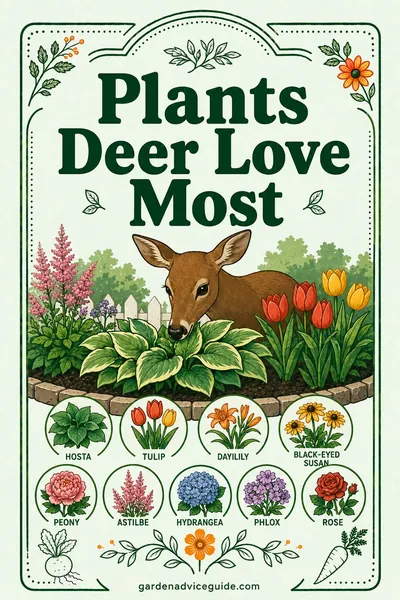
Hostas sit near the top of our list of plants deer love, along with daylilies, tulips and roses. If your hostas are being eaten, it is worth checking that list for the other plants in your yard that are likely next.
Reading the damage: deer, slugs or rabbits?
Before you buy anything, make sure deer are the culprit. Deer have no upper front teeth, so they tear plants instead of snipping them. Look for ragged, torn leaf edges and stubby stems where whole leaves used to be. Often an entire clump is grazed down in one visit. Hoof prints in soft soil and pellet-shaped droppings nearby confirm it.
Slugs leave a very different pattern: neat, round holes in the middle of leaves, usually low to the ground, plus silvery slime trails in the morning. That calls for a different fix, covered in our guide on how to get rid of slugs. Rabbits make clean, angled cuts low on the plant, while deer damage can reach several feet up on neighboring shrubs.
The deer and hosta calendar
In spring, usually April and May in much of the country, hostas push up rolled spears that are tender and full of water. Deer find them early, when there is little else green. This is the most important time to protect, because once deer learn where the bed is, they come back. In early summer, the leaves are fully open and deer browse them steadily, often overnight.
By midsummer, the flower stalks rise, and deer commonly bite them off before they bloom. In late summer and fall, pressure often drops a little as other food is plentiful, but in dry years or near woods it continues until frost. In warmer zones, the timing runs a few weeks earlier, and in the far north, a few weeks later. Your local frost dates are a good guide to when shoots will emerge in your yard.
Do thick or blue hostas hold up better?
Some gardeners notice that hostas with thick, heavily puckered or blue-gray leaves get nibbled a little less than thin, glossy green ones. Large, tough-leaved types are slower for slugs to chew, and some people feel deer take fewer bites from them too. But this is not resistance. When deer are hungry, they eat those just as readily. If deer visit your yard, plan to protect every hosta you care about, whatever the variety.
Cages, netting and fences
Caging single clumps
For a handful of prized hostas, a wire cage or black netting over each clump is cheap, quick and very effective. Black netting is hard to see from the house, so the bed still looks like a garden. Put cages in place in early spring, as soon as shoots appear, and make them wide enough that leaves do not poke through the sides, since deer will eat anything that sticks out.
Fencing a whole shade bed
For a bigger bed, a fence is the only method that works every time. Deer can clear fences of about 8 feet, so a single fence needs to be that tall. A double row of shorter fencing, set about 3 to 5 feet apart, also works, because deer do not like to jump into a narrow space where they cannot see a clear landing. Fencing costs the most up front but saves the yearly cost of sprays and the disappointment of losing a bed.
Using repellents the right way
Repellents work for light to moderate deer pressure, but only when used well. Start when the shoots first come up, not after damage begins. Reapply after heavy rain and every time new leaves unfurl, since fresh growth is not covered by the last spray. Follow the label for timing; many need reapplying every few weeks.
Rotate between two types, such as a scent-based one and a taste-based one, so deer do not get used to a single smell. A motion-activated sprinkler is a good partner in a small area, startling deer at night, but turn it off before freezing weather. Planting hostas near doors, lights and a dog also helps a little, because deer are warier there. Surrounding hostas with strong-scented plants is not enough on its own when deer are truly hungry.
If your hostas have already been eaten
Do not dig them up. An established hosta stores energy in its thick roots, so after a browsing it often sends up a few new leaves the same season and comes back the next spring. Water it in dry spells, protect the new leaves straight away, and skip fertilizing late in the season, which encourages soft growth just before winter.
The real trouble is repeated browsing year after year, which slowly weakens the plant. If a clump has been eaten down for several seasons running, it may come back smaller. Protect it early next spring and give it a year to rebuild. Newly planted hostas are less resilient than established ones, so cage those first.
A mixed plan for a yard near the woods
Here is how a combined approach might look in a yard where deer step in from a wooded edge. Cage your three or four favorite hostas in April, as soon as the shoots show. Spray the rest of the bed with a repellent, rotate between two kinds, and reapply after rain. Along the back edge, where deer enter, replace hostas with ferns and hellebores, which they rarely touch. By late summer, the caged plants should look full, the sprayed ones may show a few ragged leaves, and the ferns should be untouched. Each spring, you can cage a few more.
Shade plants deer usually skip
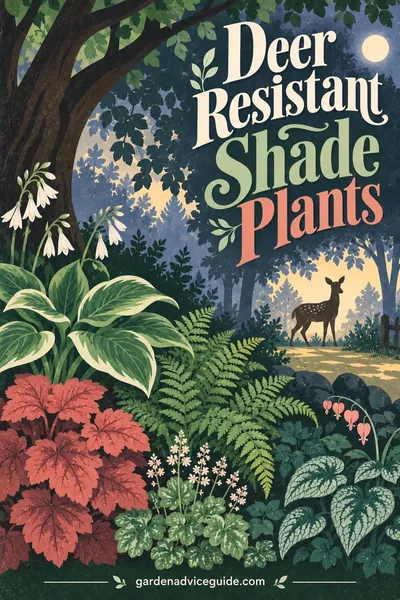
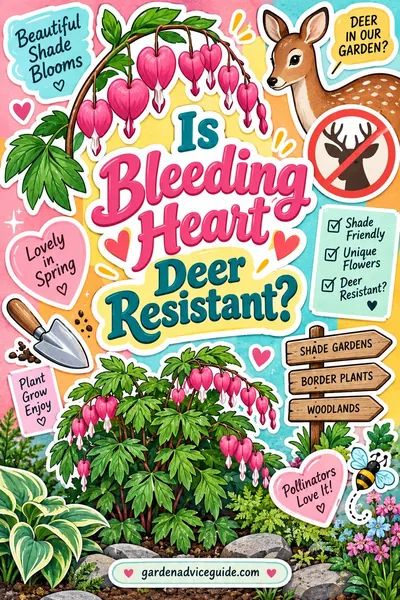
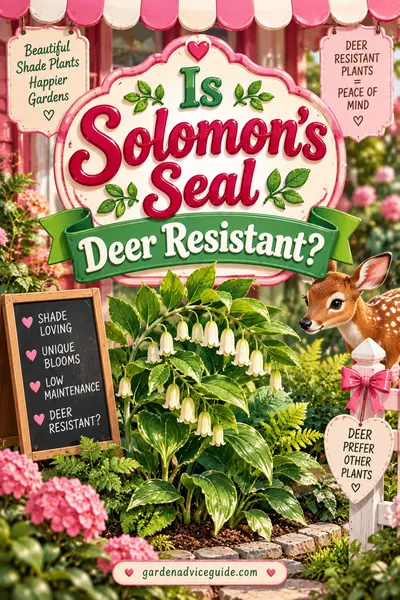
If deer win every year, swap in shade lovers they tend to leave alone. No plant is completely deer proof, but these are much safer choices. Most ferns give the same big, leafy texture and are rarely touched. Hellebores keep leathery leaves most of the year and flower in late winter. Bleeding heart brings spring flowers and soft leaves that deer usually ignore. Solomon's seal has graceful arching stems, often with variegated leaves that echo a hosta.
For later color, Japanese anemone flowers in late summer in part shade. Lungwort's fuzzy, spotted leaves put deer off, brunnera has heart-shaped, often silvery leaves, and barrenwort is a tough ground cover for dry shade. Coral bells are usually left alone, though not always. For a full list, see our deer resistant shade plants.
Growing hostas that bounce back
A healthy hosta shrugs off a nibble far better than a stressed one, so good care is part of your defense. Hostas grow in zones 3 to 9 and need a real winter chill, which is why they struggle in the warmest parts of the South. Check yours with the USDA zone finder if you are not sure. Give them shade or morning sun, rich soil, and an inch of water a week in dry spells; our watering guide helps you judge it.
Spread 2 to 3 inches of shredded leaves or bark around the clumps, kept off the crowns, to hold moisture. Our mulch guide explains the options. Divide large clumps in early spring or early fall, and replant the divisions somewhere closer to the house, where deer are shyer. If the open ground between clumps is getting browsed too, a deer resistant ground cover such as sweet woodruff or epimedium fills the gaps. For timing new plantings, look up your frost dates on our free frost date and zone lookup.
Pets and hostas
The ASPCA lists hosta as toxic to dogs, cats and horses, with stomach upset such as vomiting and diarrhea as the main signs. Most pets leave them alone, but puppies chew everything. If your pet eats a lot of hosta leaves or seems unwell, call your vet or the ASPCA Animal Poison Control Center. If deer are also eating your daylilies in the sunny beds, our page on daylilies and deer covers that summer problem.
Quick answers about hostas and deer
Are hostas deer resistant?
No. Hostas are one of the plants deer like best, and a single visit can leave nothing but stems. If deer visit your yard, plan to protect your hostas from early spring, or choose deer-resistant shade plants such as ferns and hellebores instead.
What part of the hosta do deer eat?
All of it above ground. They take the new spring shoots, the open leaves all summer and the flower stalks before they bloom. Ragged, torn leaf edges and stubs where leaves used to be are the classic signs of deer.
Are there deer resistant hosta varieties?
Not really. Some gardeners find thick, puckered or blue-leaved hostas get nibbled a little less, but deer will still eat them when hungry. No hosta is truly deer resistant, so protect any variety you care about, starting when the spring shoots appear.
What is the best way to keep deer off hostas?
A fence about 8 feet tall is the most reliable. For a few plants, wire cages or black netting work very well. Repellents help with light to moderate pressure if you start early, reapply after rain and rotate between two kinds.
What can I plant instead of hostas in shade?
Good deer-resistant shade swaps include ferns, hellebores, bleeding heart, Solomon's seal, Japanese anemone, lungwort, brunnera and barrenwort. Coral bells are often left alone too. Many offer the same bold, leafy look hostas give, and most of them handle the same shady spots.
Will hostas grow back after deer eat them?
Usually, yes. A healthy, established hosta often sends up a few new leaves the same season and returns the next spring. Repeated browsing year after year weakens it, so protect it early the following spring and water it through dry spells.
Do coffee grounds or soap keep deer off hostas?
Home remedies like hanging soap bars may help a little where deer pressure is light, but they are not reliable. For dependable results, use a tested repellent and reapply it on schedule, or use cages or fencing. Physical barriers are the only methods that work every time.