Houseplants Safe for Cats: Non-Toxic Plants, Holiday Picks and the Ones to Keep Away

Plenty of pretty houseplants are safe to keep with cats. The ASPCA lists spider plants, Boston ferns, parlor palms, calatheas and prayer plants, African violets, moth orchids, peperomias, Christmas cactus and money trees as non-toxic to cats. The plants to keep out of the house, or truly out of reach, include lilies, which are an emergency for cats, plus sago palm, pothos, snake plant, peace lily, monstera, aloe and jade.
If your cat has already chewed something and you are worried, stop reading and call your vet or the ASPCA Animal Poison Control Center at (888) 426-4435 now. A consultation fee may apply. With lilies in particular, fast treatment makes a big difference.
Key facts
- Lilies and daylilies can cause kidney failure in cats, even from pollen or vase water.
- Non-toxic means not poisonous, not that it is food; cats may still vomit.
- Check unfamiliar plants on the ASPCA list by botanical name.
- Sago palm is very serious for cats and dogs.
- Call your vet or ASPCA Poison Control even if your cat seems fine.
The checker below has a single field. Pick a plant from the list, which covers common houseplants from spider plant and Boston fern to lilies, poinsettia, sago palm and amaryllis. You get whether that plant is generally listed as non-toxic to cats or is one to keep away, plus what to do if your cat takes a bite. For any plant not on the list, check the ASPCA's own plant database.
Garden Advice Guide · free calculator
Cat-Safe Plant Checker: Is This Houseplant OK With Cats?
Pick a plant. You get whether it's generally listed as non-toxic to cats or one to keep away, plus what to do if your cat takes a bite.
Need more? Open the free Frost Dates.
 Planting Zones
 Frost Dates
 Planting Calendar
Quick reference: safe to keep or keep away
| Listed non-toxic to cats | Keep away from cats |
|---|---|
| Spider plant, Boston fern | All true lilies and daylilies |
| Parlor palm, areca palm, ponytail palm | Sago palm |
| Calathea, prayer plant | Pothos, philodendron, monstera |
| African violet, moth orchid | Peace lily, dieffenbachia |
| Peperomia, haworthia, echeveria | Snake plant, aloe, jade |
| Christmas cactus, money tree | Amaryllis, kalanchoe, cyclamen |
How to read the ASPCA list
The ASPCA, the American Society for the Prevention of Cruelty to Animals, keeps the best-known public list of plants that are toxic and non-toxic to cats, dogs and horses. It is free to search, and it is what most vets point people to. Each entry gives the plant's common names, its botanical name, and, for toxic plants, the signs it can cause.
Two things are worth knowing. First, non-toxic means the plant is not known to poison cats. It does not mean it is food. A cat that eats a lot of any plant, even cat grass, may throw up. Second, common names get mixed up badly. "Lily" is used for peace lilies, calla lilies, lilies of the valley and true lilies, and they are very different. So look plants up by their botanical name, which is usually on the pot tag, and check every new plant before it comes home. This page follows the ASPCA's listings, but the list itself is the place to confirm.
Lilies: the one every cat owner should know
True lilies, in the genus Lilium, and daylilies, in the genus Hemerocallis, are the most dangerous common plants for cats. That includes Easter lilies, tiger lilies, Asiatic lilies, Oriental and stargazer lilies, and the orange daylilies along many roadsides. Every part of the plant is toxic to cats, including the leaves, the petals and the pollen. Even a small bite, a little pollen licked off fur, or a drink of the water from a vase can cause kidney failure.
Early signs can include vomiting, drooling, loss of appetite and hiding, often within hours. Do not wait to see whether these appear. If a cat has had any contact with a lily, call your vet or the ASPCA Animal Poison Control Center right away. The kidney damage is treatable if caught early and often not if caught late.
Lilies are common in spring bouquets and in sympathy and holiday arrangements. If one arrives with lilies, take them out, put them in a bin outside, and wipe up any pollen. Outdoors, cats that roam can reach lilies and daylilies in gardens too, so think twice before planting them near a door your cat uses.
Safe picks for every kind of window
Bright, sunny rooms
Haworthia and echeveria are succulents the ASPCA lists as non-toxic, which makes them good swaps for aloe and jade. Ponytail palm, which is not a real palm, is a tough, drought-tolerant plant for a sunny spot. Areca palm gives you a taller, feathery look. The Venus flytrap is non-toxic too, but it is fragile and needs strong sun; see Venus flytrap care before buying one.
Bright, indirect light
African violets bloom on and off all year in an east window; see African violet care. Moth orchids are a safe gift plant with flowers that last for weeks; our orchid care guide covers watering and reblooming. The money tree has a braided trunk that makes it a lovely gift; see money tree care. Boston fern likes humidity and does well in a bright bathroom.
Medium and low light
Calathea and prayer plant have patterned leaves that fold up at night; see prayer plant care. Peperomia has small, chunky leaves in dozens of patterns. Parlor palm is a classic, safe palm for a dim corner, and cast iron plant handles low light and neglect. Bird's nest fern has wavy, bright green leaves and is easier than most ferns. Spider plant handles a north window, and cats love its dangly leaves, so hang it; our spider plant care guide covers the brown tips that chewing can leave.
Popular plants to keep out of reach
Many favorite houseplants are on the ASPCA's toxic list for cats, but most cause mild to moderate problems, not emergencies. Pothos, philodendron, monstera, peace lily, dieffenbachia (dumb cane) and Chinese evergreen contain tiny crystals of calcium oxalate. A bite causes mouth pain, drooling, pawing at the mouth and sometimes vomiting. Snake plant can cause vomiting and an upset stomach. Aloe and jade can cause vomiting and lethargy. Dracaena, English ivy and the umbrella tree are also on the toxic list.
Sago palm is different. It is very serious for both cats and dogs, and the seeds are the most dangerous part. It can cause liver failure, so it is best not kept in a home with pets at all.
If you already own some of these plants, they do not all have to go. Put them where your cat truly cannot reach: a hanging planter away from furniture, a high shelf your cat does not climb, or a closed room such as a home office the cat does not use. Keep in mind that cats are very good climbers, so be honest about what your cat can reach.
Kittens, chewers and indoor-only cats
Some cats ignore plants for years. Others chew anything green. Kittens are the most curious, and indoor-only cats often chew plants out of boredom or because they want some greenery in their diet. If you have a young cat or a known chewer, I would keep only plants from the non-toxic list in reach and treat every toxic plant as off limits, even the mild ones.
Chewing that starts suddenly in an older cat can be worth mentioning to your vet, since it sometimes goes along with an upset stomach or other health changes. Play, climbing spaces and a pot of cat grass all help redirect a bored chewer away from your houseplants.
Signs a plant has upset your cat
You will not always see your cat chewing a plant, so it helps to know the clues. Torn or chewed leaves, bits of leaf on the floor, or soil tracked across the room are the obvious ones. Signs in the cat itself can include drooling, pawing at the mouth, vomiting, diarrhea, not wanting to eat, hiding, or seeming unusually tired. With lilies, vomiting and loss of appetite can start within a few hours, and more serious signs can follow over the next day or two.
Any of these signs, together with a chewed plant, is a reason to call your vet or the ASPCA Animal Poison Control Center. Mild mouth irritation from a pothos may settle quickly, but only a professional can tell you whether it needs a visit, so make the call rather than guessing.
Holiday and gift plants
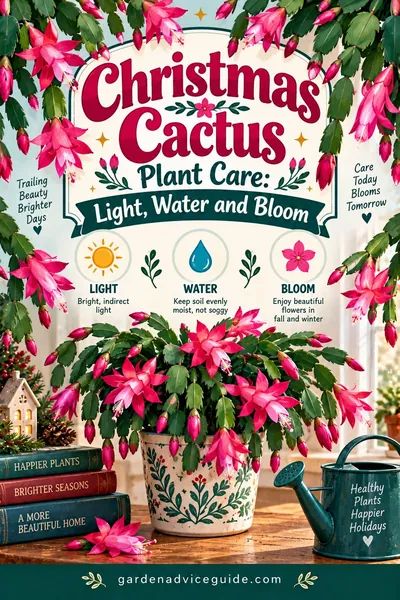
Gift plants pour into homes from late November through Valentine's Day, so it pays to check before you set one on the table. Christmas cactus is non-toxic and blooms right on time; see Christmas cactus care. Moth orchids, African violets, bromeliads such as the earth star, and a pot of rosemary are also safe to display. Our bromeliad care guide explains how to water the central cup.
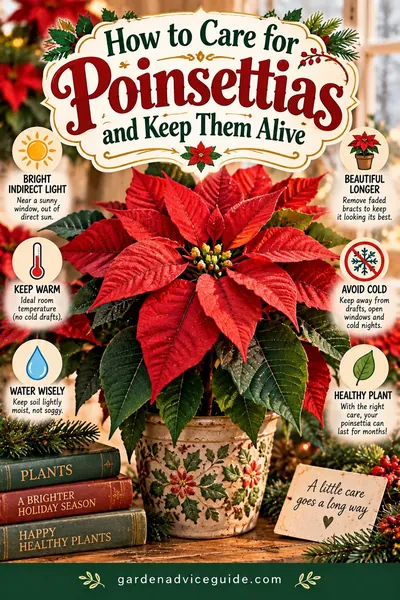
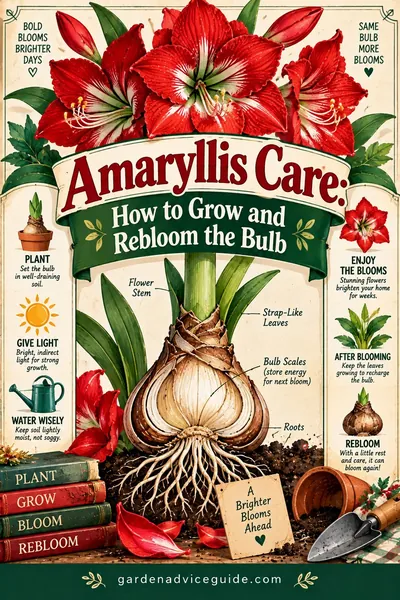
Poinsettias are mildly irritating if chewed and can cause drooling or vomiting, but they are not the deadly plant some people fear. Still, keep them out of reach; see poinsettia care. Amaryllis bulbs and leaves can cause vomiting, drooling and other signs, so keep amaryllis pots up high. Holly and mistletoe are toxic too. Cyclamen and kalanchoe, both popular winter bloomers, are on the toxic list; our cyclamen care and kalanchoe care pages explain growing them if you choose to keep them out of a cat's way.
If your cat chews a plant
Stay calm and work through these steps in order.
- Move your cat away and remove any plant pieces from its mouth if you can do it safely.
- Identify the plant: grab the pot tag or take a photo.
- Call your vet or the ASPCA Animal Poison Control Center, even if your cat seems fine.
- Do not give home remedies or try to make your cat vomit unless a vet tells you to.
Keep the plant or a piece of it in a bag so your vet can see it. Note roughly how much was eaten and when, since those details help the vet decide what to do. Save the ASPCA poison control number in your phone today, so you have it when you need it.
Keeping cats out of your pots
Give your cat its own greens. A pot of cat grass, which is simply oat, wheat or barley grass, gives chewers something better to nibble. It sprouts in a few days on a sunny sill, and sowing a fresh pot every 2 to 3 weeks keeps a supply going. Catnip is another treat; it is a hardy perennial herb in roughly zones 3 to 9, so you can grow it outdoors too. Check your zone with the planting zone finder, and see perennial herbs by zone for growing tips.
Go up with hanging planters and tall shelves away from jumping spots. Cover the soil with large, smooth stones or a circle of mesh if your cat likes to dig. Skip sprays and powders that you are not sure about, since moving the plant is safer. And when houseplants take a summer break outdoors after your last frost, which you can look up on our frost dates tool, remember that outdoor cats may meet them there too. For more free tools, visit the Garden Advice Guide home page.
Quick answers about cat-safe houseplants
What houseplants are safe for cats?
The ASPCA lists spider plants, Boston ferns, parlor palms, areca palms, calatheas, prayer plants, African violets, moth orchids, peperomias, haworthia, echeveria, Christmas cactus and money trees as non-toxic to cats. Check any other plant on the ASPCA list by its botanical name before bringing it home.
What is the most dangerous plant for cats?
Lilies. True lilies and daylilies can cause kidney failure in cats, even from a little pollen or a drink of vase water. If your cat touches one, call your vet or the ASPCA Animal Poison Control Center right away. Sago palm is also very serious for cats and dogs.
Is a peace lily safe for cats?
No. It is not a true lily, so it does not carry the same kidney danger, but the ASPCA lists it as toxic to cats. It can cause mouth pain, drooling and vomiting. Keep it in a room your cat cannot reach, or choose a calathea or spider plant instead.
Are Christmas plants safe for cats?
Christmas cactus is non-toxic. Poinsettia is mildly irritating, not deadly, but keep it out of reach. Amaryllis, holly, mistletoe, cyclamen and kalanchoe are toxic, and lilies in holiday bouquets are an emergency risk. Check gift arrangements before they go on the table.
What should I do if my cat ate a toxic plant?
Call your vet or the ASPCA Animal Poison Control Center right away, even if your cat seems fine. Have the plant name or a photo ready, and note how much was eaten and when. Do not try home remedies or make your cat vomit unless a vet tells you to.
Is a spider plant safe for cats?
Yes. The ASPCA lists the spider plant as non-toxic to cats. Cats often love chewing the long leaves, which can upset a sensitive stomach, so hang the plant up if you want it to stay pretty and offer cat grass as a better snack.
Are succulents safe for cats?
Some are and some are not. Haworthia and echeveria are listed as non-toxic, while aloe, jade and kalanchoe are toxic. Because succulents look alike, check the botanical name on the tag against the ASPCA list before buying.