When to Pick Tomatoes

The best time to pick tomatoes is any time from the breaker stage onward, which is the moment the blossom end first shows a blush of color. A tomato picked at breaker finishes ripening on the counter with little or no loss of flavor, and it escapes birds, squirrels, splitting rain and sunscald in the process. Leave fruit on the vine to full color when the weather is mild and nothing is threatening it. Pick earlier, at breaker, when a heat wave is stalling the color change, when a soaking rain is forecast, or when nights are about to drop into the low 40s. Before a frost, bring in every fruit that has reached mature green.
This page covers how to recognize each ripening stage, what ripe looks like for red, pink, yellow, purple, green and white varieties, why summer heat keeps tomatoes from turning red, how to time picking around rain and frost, and how to ripen the fruit you bring indoors.
Want the dates for your crop? Our free when to harvest tool gives maturity windows by crop and zone so you know when to start checking the vines.
Updated September 2026
When to Pick Tomatoes: The Breaker Stage Rule
A tomato does not ripen the way most people picture it. It grows to full size first, then stops growing, then ripens. Once the fruit reaches full size and the seeds inside are mature, it can finish ripening on its own, whether it stays on the vine or not.
The breaker stage is the first visible sign that ripening has started: a faint blush of pink, orange or yellow at the blossom end, the end opposite the stem, covering no more than about a tenth of the fruit. At that point a layer of cells forms across the stem attachment, and the fruit relies on what it has already stored to finish ripening. Picked at breaker and held at room temperature, it develops essentially the same color, sugar and flavor as a tomato left on the vine.
That makes breaker the earliest point at which you can pick without giving anything up, and it gives you a choice every time you walk the garden:
- Leave it when the weather is mild, the plant is healthy, and nothing is eating your fruit. You lose nothing by waiting, and a vine ripened tomato picked at full color in cool weather is at its peak.
- Pick it at breaker when birds, squirrels or hornworms are damaging fruit, when a heavy rain or heat wave is coming, or when the plant is heavily loaded and you want it to put energy into the fruit still sizing up.
What you should not do is pick fruit that is still immature green. A tomato picked before it reaches full size and before the seeds mature will soften and shrivel on the counter without ever developing real color or flavor.
The Six Tomato Ripening Stages
The U.S. Department of Agriculture grades tomato ripeness in six stages based on how much of the surface has changed color. They are useful at home because they tell you how long the fruit has left to go.
| Stage | What you see | Days to fully ripe at about 70°F | Pick now? |
|---|---|---|---|
| Mature green | Full size, glossy, light green, may show a whitish star at the blossom end | About 10 to 14 | Only before frost or if the plant must come out |
| Breaker | First blush of color at the blossom end, 10 percent or less of the surface | About 6 to 8 | Yes, whenever there is a reason to |
| Turning | 10 to 30 percent colored | About 4 to 6 | Yes |
| Pink | 30 to 60 percent colored | About 3 to 4 | Yes |
| Light red | 60 to 90 percent colored | About 1 to 2 | Yes |
| Red, or fully ripe | More than 90 percent colored, deep and even | Ready | Yes, and use within a few days |
For varieties that do not ripen to red, read "colored" as the final shade for that variety. The stages work the same way for a yellow or purple tomato. The next section covers what each final color should look like.
How to tell a mature green tomato from an immature one
This matters most at the end of the season, when you are deciding which green fruit is worth bringing in.
- Size. It is as large as the ripe fruit of the same variety on that plant.
- Skin. Glossy rather than dull, and the green has lightened slightly.
- Blossom end. A pale, whitish or yellowish tint, sometimes in a star pattern.
- Inside. If you cut one open, the seeds are surrounded by a jelly like gel, and a sharp knife pushes the seeds aside rather than slicing through them. Immature fruit has firm, white flesh around small, soft seeds that the knife cuts cleanly.
Cutting one test fruit from a plant tells you a lot about the others of the same size.
Ripe Tomato Color by Variety
Tomatoes ripen to red, pink, orange, yellow, purple, green, white, and striped or bicolor. A green tomato that is supposed to stay green will fool you, and a purple tomato that never loses its green shoulders will tempt you to wait until it rots. Know what your variety should look like when it is done.
| Final color | Examples | What ripe looks like | Also check |
|---|---|---|---|
| Red | Early Girl, Celebrity, Better Boy, Big Beef, Roma | Deep, even red from the blossom end to the shoulders | Slight give when pressed |
| Pink | Brandywine, Mortgage Lifter, Caspian Pink | Rosy pink red, lighter than a true red tomato, with a clear skin | Soft give, rich smell at the stem |
| Orange | Sungold, Kellogg's Breakfast, Jaune Flammé | Bright, even orange | Cherry types like Sungold crack quickly once fully orange, so pick promptly |
| Yellow | Lemon Boy, Yellow Pear, Golden Jubilee | Clear lemon to golden yellow with no green tint | Pale yellow with a green cast is still underripe |
| Purple or black | Cherokee Purple, Black Krim, Paul Robeson | Dusky rose purple to brick brown on the lower half of the fruit | Shoulders often stay olive green even when ripe. Judge by the bottom color and softness |
| Green when ripe | Green Zebra, Aunt Ruby's German Green, Cherokee Green | Green Zebra: yellow green with gold stripes. Aunt Ruby's: a light amber or pink blush at the blossom end | Softness is the most reliable signal. Ripe fruit gives like a ripe peach |
| White | White Beauty, Great White | Creamy ivory with a faint pale yellow blush | Slight softness |
| Bicolor | Pineapple, Big Rainbow, Hillbilly | Yellow to gold with red streaks spreading from the blossom end up through the fruit | Red marbling inside when cut |
Checks that work for every color:
- Softness. Ripe fruit gives slightly under gentle thumb pressure, firm but not hard. Overripe fruit feels soft or leaves a dent.
- Easy release. A ripe tomato separates from the stem with a light upward twist. If you have to pull, it is not ready. Fruit at breaker often needs to be snipped.
- Smell. The stem end of a ripe tomato has a strong, sweet tomato smell.
- Gloss fading. Many varieties lose some of their high shine as they become fully ripe.
Green shoulders on a ripe tomato
A band of green or yellow around the stem end of an otherwise ripe tomato has two possible causes. Many heirlooms carry green shoulders naturally, and the fruit is ripe when the rest of it is colored and soft. Most modern hybrids carry a gene for uniform ripening that removes the green shoulders, though it also slightly reduces the sugars in the fruit.
The second cause is heat. When the top of the fruit sits in strong afternoon sun during very hot weather, the shoulders can stay yellow or green and hard, a condition called yellow shoulder. It does not ripen out. Cut away the hard part and eat the rest. Leaving leaf cover over the fruit, and not stripping foliage in midsummer, reduces it next year. Our page on how to prune tomatoes covers how much leaf to leave for shade.
Why Tomatoes Stop Turning Red in Hot Weather
A common August complaint is a vine full of full sized green tomatoes that refuse to change color, or fruit that turns orange yellow instead of a proper red. The cause is almost always temperature, and it has nothing to do with water or fertilizer.
The red color in tomatoes comes from a pigment called lycopene, and the plant cannot produce it well when fruit temperatures run above about 85°F. Orange and yellow pigments continue to form, so tomatoes ripening in a heat wave turn orange, blotchy or yellowish red. Above about 95°F, ripening slows to a crawl. Fruit sitting in direct afternoon sun can run well above the air temperature.
| Temperature | What happens to ripening |
|---|---|
| Below 50°F | Ripening nearly stops, and extended chilling damages the fruit's ability to ripen properly |
| 50 to 60°F | Slow ripening. Color develops over weeks |
| 68 to 77°F | Ideal. Fast, even color and full flavor |
| 85 to 95°F | Red pigment is suppressed. Fruit ripens orange or blotchy |
| Above 95°F | Ripening stalls. Sunscald on exposed fruit |
What to do in a heat wave:
- Pick at breaker. Bring fruit indoors as soon as it shows the first blush and let it ripen at room temperature, around 70 to 75°F. It will develop a better red indoors than it would on a hot vine.
- Keep leaf cover. Do not remove foliage that shades the fruit. A 30 to 40 percent shade cloth over the plants during the hottest afternoons also helps.
- Keep watering steady. Hot weather is exactly when uneven watering causes cracking and blossom end rot. Our guide on how often to water tomatoes covers how the schedule changes in heat.
- Wait for relief. Green fruit left on the vine resumes ripening normally once temperatures drop back into the 70s and low 80s.
The same heat that stalls ripening also keeps new flowers from setting fruit, so a gap in the harvest a few weeks after a long heat wave is normal.
Picking Tomatoes Ahead of Rain
Heavy rain after a dry stretch is the main cause of cracked tomatoes. The roots take up water fast, the fruit swells faster than the skin can stretch, and the skin splits. Fruit that has already started to ripen, from breaker through red, is the most vulnerable, because ripening skin is less elastic than green skin.
There are two crack patterns. Radial cracks run from the stem end down the sides like spokes. Concentric cracks form rings around the stem. Both open a path for rot and fruit flies, and a cracked tomato needs to be used within a day or two.
Before a forecast soaking rain:
- Pick every tomato at breaker stage or beyond. Those will ripen indoors without cracking, while the same fruit left on the vine may split overnight.
- Leave mature green fruit on the plant. It is much less likely to crack, and it keeps sizing up and ripening normally after the rain.
- Pick in dry conditions. Handling wet plants spreads leaf diseases from plant to plant. If the rain has already started, wait until the foliage dries before working in the rows.
- Check after the rain. Pick any fruit that cracked right away and use it quickly, and look for fruit that has split at the shoulder.
Mulch and consistent watering reduce cracking over the whole season by keeping soil moisture from swinging wildly between dry and saturated.
Picking Tomatoes Before Frost
Tomatoes are killed by frost, but the fruit is damaged well before the plant dies. Tomatoes are a warm season crop, and fruit exposed to temperatures below about 50°F for several days can suffer chilling injury, which leaves it unable to ripen properly and prone to rot. That means the real deadline for your last harvest is not the first frost. It is the first stretch of cold nights.
Look up your average first fall frost with the frost dates tool, then use the forecast to decide what to pick.
| Forecast | What to pick |
|---|---|
| Nights in the 50s | Nothing special. Ripening slows, so keep checking every few days |
| Several nights in the low 40s | Pick everything at breaker or later, plus any mature green fruit on plants you do not plan to cover |
| Frost forecast, 32 to 36°F | Pick everything that has reached mature green or beyond, or cover plants for the night |
| Hard freeze, below 28°F | Pick every fruit worth saving. Covers will not protect the plants for long |
Buying time. A light frost can often be survived by covering plants overnight with a frost cloth or old sheets that reach the ground, which can keep plants going for another week or two of mild weather after an early cold night. Our page on how to protect plants from frost covers the methods.
Helping the last fruit finish. About four weeks before your average first frost, cut off the growing tips and remove new flowers and small fruit that cannot mature in time. That sends the plant's energy into fruit that can still ripen. The full technique is covered in how to prune tomatoes.
Pulling the whole plant. If a plant is loaded with green fruit when frost arrives, you can pull it up by the roots, shake off the soil, and hang it upside down in a garage or basement. The fruit ripens on the vine over the next few weeks. This works about as well as ripening fruit individually, and it takes less time to set up.
Skip diseased fruit. Do not ripen fruit indoors from plants with late blight, even if the fruit looks clean when picked, since hidden infections develop in storage. Our guide to tomato blight explains how to tell late blight from other leaf problems.
Ripening Tomatoes Indoors
Tomatoes do not need light to ripen. They need warmth and a steady supply of ethylene, the natural ripening gas they give off themselves. A sunny windowsill heats the fruit unevenly and causes it to soften before it colors, so keep ripening fruit out of direct sun.
Fruit picked at breaker or later:
- Set it stem side down on a counter, in a single layer, not touching.
- Keep it at room temperature, ideally 65 to 75°F.
- Most fruit reaches full color in about a week.
Mature green fruit at the end of the season:
- Wash off soil and dry the fruit completely. Discard any with cracks, soft spots or insect damage.
- Sort by color: breakers and pinks in one group for use soon, mature greens in another.
- For faster ripening, put fruit in a paper bag or a cardboard box with a ripe banana or apple, which gives off extra ethylene. Keep it at 65 to 75°F and check every two days.
- For slower ripening, to spread the harvest out over several weeks, wrap each tomato in newspaper and lay it in a single layer in a shallow box. Keep the box at 55 to 60°F in a basement or garage. Fruit ripens over three to six weeks.
- Check every few days, pulling out ripe fruit and removing anything that starts to rot before it spreads.
| Condition | Mature green to ripe | Breaker to ripe |
|---|---|---|
| 70 to 75°F, paper bag with a banana | About 7 to 14 days | About 4 to 6 days |
| 65 to 70°F, open on a counter | About 2 to 3 weeks | About 1 week |
| 55 to 60°F, wrapped in newspaper | About 3 to 6 weeks | About 2 weeks |
| Below 50°F | Poor ripening, chilling damage | Poor ripening |
Indoor ripened mature green fruit tastes good, though often a little less sweet than fruit picked at breaker. Fruit that has not reached mature green will not ripen at all, and is better used in fried green tomatoes, relish or chutney.
Do not refrigerate fruit that is still ripening. Cold stops ripening and damages flavor. Once a tomato is fully ripe, keep it on the counter and use it within a few days. For storage, freezing and canning, see the storing section of our guide on how to grow tomatoes.
How to Pick Tomatoes Without Damaging the Plant
- Twist and lift. Hold the fruit in your palm, twist it gently, and lift it upward so it snaps off at the joint in the stem just above the fruit.
- Use snips for breakers and tough stems. Fruit that is not fully ripe does not release easily, and pulling can tear the branch or the fruit truss. Cut the stem just above the green cap.
- Harvest cherry tomatoes by the fruit or the truss. Pick individual ripe cherries every day or two in peak season, or cut whole clusters when most of the fruit is colored.
- Pick in the morning. Fruit is cool and firm, and plants are less stressed.
- Pick often. Every one to two days in peak season. Fruit left too long on the vine cracks, attracts pests and invites rot.
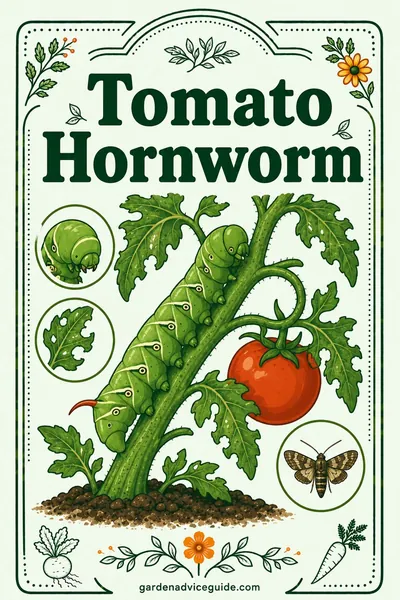
- Watch for hornworms while you pick. A missing chunk of leaves or large dark droppings on the leaves below mean a tomato hornworm is nearby.
Worked Example: A Zone 6 Garden From August to Frost
Picture two plants in a zone 6 garden with an average first frost of October 12: an indeterminate Cherokee Purple and a Sungold cherry, both transplanted in mid May.
August 8 to 16, heat wave. Highs reach 95°F for a week. Several Cherokee Purples are full size but show no color change, and a few that were already turning have gone a dull orange brown instead of dusky rose. Every fruit showing a breaker blush comes indoors to ripen on the counter at 72°F. They reach full color in about a week, noticeably deeper than fruit left outside. Sungolds keep ripening but some split in the heat, so they get picked daily.
August 24, soaking rain forecast. Two inches are expected after two dry weeks. The evening before, every Cherokee Purple at breaker or later is picked, 9 fruits in all, along with every orange Sungold. The mature green fruit stays on. After the storm, 4 Sungolds left on the vine have cracked, and none of the picked fruit has.
September 14, topping. Four weeks before the average frost date, the growing tips on both plants are cut and all flowers and marble sized fruit removed.
October 3, cold nights. The forecast shows three nights in the low 40s. Everything at breaker or later comes in, and the plants get covered overnight.
October 10, frost warning. Every mature green Cherokee Purple is picked, 14 in all, washed, dried, and split between a box wrapped in newspaper at 58°F in the basement and a paper bag with a banana on the counter. The counter batch ripens within two weeks. The basement batch trickles in from the end of October through late November. Five small, immature green fruits are too hard and small to ripen and go into a batch of relish.
FAQ
Is it better to pick tomatoes early or let them ripen on the vine?
Tomatoes picked at the breaker stage, when the first blush of color appears, and ripened at room temperature develop essentially the same flavor as vine ripened fruit. Leave them on the vine to full color in mild weather if nothing is damaging them. Pick at breaker when birds, pests, heavy rain, heat waves or cold nights threaten the fruit.
How do you know when a tomato is ready to pick?
A ripe tomato has reached its final color for the variety, gives slightly when gently pressed, separates from the stem with a light twist, and smells sweet at the stem end. You can also pick earlier, at the breaker stage, when the blossom end first shows color, and let it finish ripening indoors.
Why are my tomatoes not turning red?
Heat is the most common reason. Tomatoes cannot produce their red pigment well above about 85°F, so in hot weather they stay green or ripen orange. Temperatures below 50°F also slow ripening. Pick fruit at breaker stage during a heat wave and ripen it indoors at 70 to 75°F, where it will develop a proper red color.
How do you know when a purple or green tomato is ripe?
For purple tomatoes like Cherokee Purple, judge by the dusky rose to brick brown color on the lower half and a slight softness. The shoulders often stay green even when ripe. For green when ripe types like Green Zebra, look for a yellow or amber blush and gold stripes, and rely on softness, since ripe fruit gives like a ripe peach.
Should I pick tomatoes before it rains?
Yes, if the fruit has started to ripen. Heavy rain after dry weather makes ripening tomatoes swell and crack. Before a soaking rain, pick every tomato at breaker stage or beyond and let it finish indoors. Leave fully green fruit on the vine, since it is much less likely to split.
When should I pick green tomatoes before frost?
Pick them before nights drop into the low 40s, not just before the first frost, because several days below about 50°F can damage the fruit's ability to ripen. Once frost is forecast, bring in everything that has reached full size with glossy skin. Small, immature green fruit will not ripen and is best used for cooking.
How long do green tomatoes take to ripen indoors?
Mature green tomatoes take about 1 to 2 weeks in a paper bag with a banana at 70 to 75°F, 2 to 3 weeks on a counter at room temperature, and 3 to 6 weeks wrapped in newspaper at 55 to 60°F. Fruit already at breaker stage ripens in about a week at room temperature.
Do tomatoes need sunlight to ripen?
No. Tomatoes ripen from warmth and ethylene gas, not light. Direct sun on a windowsill heats the fruit unevenly and can make it soften before it colors. Ripen tomatoes out of direct sun at 65 to 75°F, stem side down, in a single layer.