When to Prune Hydrangeas: Old Wood vs New Wood, Type by Type and Month by Month

When to prune hydrangeas depends on where the flowers come from. Panicle and smooth hydrangeas, like 'Limelight' and 'Annabelle', bloom on new wood, so prune them in late winter or early spring before new growth starts. Bigleaf, oakleaf, mountain and climbing hydrangeas bloom on old wood, so prune them right after they flower in summer, by late July in colder zones and by early to mid August in warmer ones.
Get that one thing right and you avoid the most common hydrangea heartbreak: a big, healthy plant with no flowers, because next year's buds ended up in the yard waste bin. This page goes deep on timing and cuts for each type. For watering, soil, flower color and winter protection, see our full hydrangea care guide.
Key facts
- New wood (panicle, smooth): prune in late winter to early spring
- Old wood (bigleaf, oakleaf, climbing): prune right after flowering
- Old-wood cutoff: about late July in zone 5, mid August in zone 9
- Rebloomers like Endless Summer need only light trims
- Never cut bigleaf stems hard in fall or spring
The pruning date finder below works from where you live. Type your ZIP code, or pick your USDA zone if you prefer. It counts from your own frost dates and shows two pruning windows: one for new-wood hydrangeas and one for old-wood hydrangeas. Note both dates on your calendar so the right plant gets cut at the right time.
Garden Advice Guide · free calculator
Hydrangea Pruning Date by Zone: When to Prune Where You Live
Type your ZIP code or pick your zone. You get the pruning window for both kinds of hydrangea, new wood and old wood, counted from your own frost dates.
Need more? Open the free Frost Dates.
 Planting Calendar
 Frost Dates
 Seed Starting Calculator
Quick reference: pruning time by hydrangea type
| Type | Blooms on | When to prune |
|---|---|---|
| Panicle | New wood | Late winter to early spring |
| Smooth | New wood | Late winter to early spring |
| Bigleaf | Old wood | Right after flowering, by early August |
| Reblooming bigleaf | Old and new wood | Deadhead in summer; dead wood in spring |
| Oakleaf | Old wood | Right after flowering |
| Mountain | Mostly old wood | Right after flowering |
| Climbing | Old wood | Right after flowering |
Old wood vs new wood, explained
"Old wood" and "new wood" just describe where the flowers form. Old-wood hydrangeas build next year's flower buds in late summer and fall, at the tips and upper joints of the stems that grew this year. Those buds sit through the whole winter, waiting. If you cut the stems in fall, winter or early spring, you cut off the flowers before they ever open. Bigleaf (Nikko Blue and most florist plants), oakleaf (Ruby Slippers, Snow Queen, Gatsby), mountain (Tuff Stuff) and climbing hydrangeas all work this way.
New-wood hydrangeas work the other way. They grow fresh stems each spring and set flower buds on those stems a few weeks later, blooming the same summer. Cutting them in late winter does not hurt the flowers at all. It often makes the plant sturdier and keeps it a tidy size. Panicle types (Limelight, Little Lime, Bobo, Quick Fire, Pinky Winky) and smooth types (Annabelle, Incrediball, Invincibelle) are in this group, and they are among the hardiest shrubs you can grow.
A few modern bigleaf varieties, called rebloomers, do both. They flower first on old wood in early summer, then again on new stems later in the season. That gives you insurance if winter kills the buds, but it does not make them a shrub to cut hard. Treat them like old-wood plants with a lighter hand.
Which hydrangea do you have?
Lost the tag? You can usually tell by looking. Cone-shaped flower clusters that open white or lime and often turn pink as they age belong to a panicle hydrangea. Big round white heads on thin, floppy stems with soft, dull leaves mean a smooth hydrangea. Glossy, broad, toothed leaves with blue, pink or purple mopheads or flat lacecaps point to a bigleaf. Leaves shaped like big oak leaves that turn red and purple in fall, along with peeling cinnamon bark, mark an oakleaf. A woody vine clinging to a wall or tree with flat white lacecap flowers is a climbing hydrangea.
Still not sure? Skip the big cuts this year. In spring, remove only stems that are clearly dead, then watch where the flowers form. If they come at the tips of last year's stems, it is old wood. If they come on long green stems that grew this spring, it is new wood. You will know exactly what you have by next pruning season. If you grow 'Vanilla Strawberry', it is a panicle type, and our page on when to prune strawberry vanilla hydrangea covers it in detail.
Pruning windows by USDA zone
These are typical windows based on average frost dates. For dates from your own frost dates, type your ZIP into the finder above, or look up your zone with the planting zone finder.
| USDA zone | Panicle and smooth (new wood) | Bigleaf and oakleaf (old wood) |
|---|---|---|
| Zones 3 to 4 | April | Rebloomers only; trim dead tips in late May |
| Zone 5 | Late March to April | After flowering, by late July |
| Zone 6 | March | After flowering, by late July |
| Zone 7 | Late February to March | After flowering, by early August |
| Zone 8 | February | After flowering, by early to mid August |
| Zone 9 | January to early February | After flowering, by mid August |
Why the August cutoff for old-wood types? From late summer on, the plant is busy forming next year's flower buds. Cut after that and you trade next summer's blooms for a tidier fall shrub. In the north the season ends sooner, so the cutoff comes earlier.
A month-by-month pruning year
January to March: new-wood season
This is the main time to cut panicle and smooth hydrangeas. Work in January or early February in zone 9, February in zone 8, March in zones 6 and 7, and late March into April in zones 4 and 5. Pick a dry day when the wood is not frozen solid, before the buds break into leaf. Leave bigleaf and oakleaf plants completely alone, even if their stems look bare and dead. Those plump buds at the tips are your summer flowers.
April and May: check for winter damage
As bigleaf buds swell and turn green, you can finally see what survived. Scratch a stem lightly with your thumbnail. Green underneath means alive; brown and dry means dead. Snip dead tips back to the first healthy pair of buds and remove any stems that are dead to the base. In zones 4 to 6, wait until after your last frost date, and keep frost cloth handy for a late cold night. Our frost date finder gives your average last frost.
June and July: old-wood season
Once the first flush of old-wood flowers fades, this is your window for shaping, using the cuts described below. It is also the time to deadhead rebloomers.
August: the cutoff
Finish all old-wood pruning by your zone's cutoff, from late July in zone 5 to mid August in zone 9. After that, put the pruners away for those plants. You can still snip a faded flower head for a vase, but leave the stem below it.
September to December: mostly hands off
Leave old-wood types alone. Dried flower heads can stay on all winter and give the buds a little cover. In zones 5 and 6, shield bigleaf buds instead of cutting; see when to wrap shrubs in burlap for winter. New-wood types can be cut in late fall in a pinch, but late winter is better, because the old stems catch snow and protect the base of the plant through the cold months.
How to prune panicle and smooth hydrangeas
Start by taking out anything dead, broken or thinner than a pencil, cutting at the base. Then step back and look at the shape. On a panicle hydrangea, cut the remaining stems back by about a third, just above a pair of buds. Keep a framework of strong, thick stems, because the big cone flowers are heavy and thin stems bend under them after rain. On a young plant, keep three to five main stems.
Smooth hydrangeas can be cut much lower. Many gardeners take 'Annabelle' to the ground every year, and it will still bloom, but the stems are thin and the heads flop. Cutting all stems back to about 18 to 24 inches leaves woody support and gives sturdier stems. As new growth starts, feed lightly and add 2 to 3 inches of mulch (our mulch guide compares types), kept a few inches off the stems.
How to prune bigleaf, oakleaf and climbing hydrangeas
Wait for the first flush of flowers to fade, usually early to mid summer. Follow each flowered stem down to the first pair of healthy, fat buds below the bloom and cut just above them. On a mature, crowded bigleaf, also remove a few of the oldest, woodiest stems at the base, no more than about a third of the plant in one year. That lets in light and keeps new stems coming.
Oakleaf hydrangeas rarely need pruning at all. Remove dead or rubbing branches and shape lightly after flowering. Their peeling bark and fall color are part of the show, so a natural shape looks best. Climbing hydrangeas need only a trim of side shoots that stick out too far from the wall or tree. Deer can nibble winter buds on these types too, which looks a lot like a pruning mistake; our page on oakleaf hydrangea and deer explains how to protect them.
Rebloomers: Endless Summer and friends
Reblooming bigleaf hydrangeas like Endless Summer, Let's Dance and BloomStruck were bred for cold zones where the old-wood buds often freeze. They need very little pruning. In spring, once the buds show green, remove dead stems and dead tips only. In summer, snip spent flowers back to the first set of large leaves, which nudges the plant to send up new flowering stems. Stop deadheading about six weeks before your first fall frost. Even these plants flower best when old stems survive the winter, so winter protection still helps.
Fixing an overgrown hydrangea
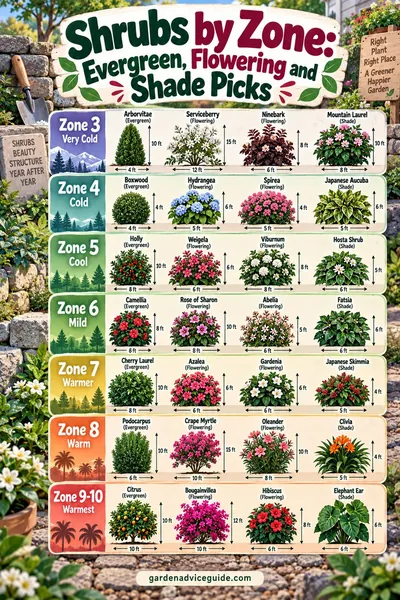
If a hydrangea has outgrown its spot or turned into a tangle, renew it over three years instead of cutting it all at once. Each year, at the right time for the type, remove about a third of the oldest stems at the base. By year three the plant is made of young, vigorous stems and is easier to manage. A panicle or smooth hydrangea can take a harder cut in late winter and still flower that summer. A bigleaf cut to the ground will survive but skip a year of flowers. If it keeps outgrowing its space, a compact variety from our shrubs by zone list is kinder than cutting every year.
Can you prune hydrangeas in fall?
For old-wood types, no. Fall pruning removes next year's flowers. You can cut off faded flower heads, but leave the stems. For new-wood types, fall pruning will not ruin the flowers, but late winter is still better. Fall cleanup in the rest of the garden is a different job; our fall garden cleanup guide covers what to cut and what to leave.
Pruning mistakes that cost you flowers
The big one is cutting every hydrangea in the yard back at the same time. That works for some and is a disaster for others, so know your types first. A close second is cutting bigleaf stems in spring because they look dead; wait for the green buds. Cutting smooth hydrangeas to the ground every year works but leaves floppy stems. Dull pruners crush stems instead of cutting them, so use sharp bypass pruners and wipe the blades between plants. And if a hydrangea still does not bloom after correct pruning, look at other causes: too much shade, too much nitrogen (see fertilizer numbers explained), or a late frost. Those are covered in our hydrangea care problems section. Planning a new bed? Our front porch landscaping ideas show which types fit near a house, and the frost date and zone lookup gives your local timing.
Quick answers about pruning hydrangeas
When should hydrangeas be pruned?
It depends on the type. Panicle and smooth hydrangeas bloom on new wood, so prune them in late winter or early spring. Bigleaf, oakleaf, mountain and climbing hydrangeas bloom on old wood, so prune them right after they flower, by late July in zone 5 and by early to mid August in warmer zones.
Should I cut back hydrangeas for winter?
Usually not. Old-wood types already carry next year's flower buds on their stems in fall, so leave them alone. New-wood types can be cut in late fall if you must, but late winter is better because the old stems protect the base of the plant through the cold.
When do you prune Limelight hydrangeas?
In late winter or early spring, before new growth starts. Limelight is a panicle hydrangea that blooms on new wood. Cut the stems back by about a third, just above a pair of buds, keeping a framework of strong stems so the big flowers do not flop.
How far back do I cut Annabelle hydrangeas?
To about 18 to 24 inches in late winter. Annabelle is a smooth hydrangea that blooms on new wood, so it will flower even if cut to the ground. Leaving some woody height gives sturdier stems that hold up better in summer rain.
Should I prune Endless Summer hydrangeas?
Only lightly. Endless Summer blooms on both old and new wood. Snip spent flowers in summer to encourage more, and in spring remove only dead stems and tips once the buds show green. Stop deadheading about six weeks before your first fall frost.
What is the difference between old wood and new wood?
Old-wood hydrangeas set next year's flower buds in late summer and fall on this year's stems, so those stems must survive winter uncut. New-wood hydrangeas grow fresh stems in spring and flower on them the same summer, so a late-winter cut does no harm.
Why didn't my hydrangea bloom after pruning?
Most often an old-wood type, like a bigleaf or oakleaf, was cut back in fall, winter or spring, which removed the flower buds. A cold winter or late spring frost can also kill the buds. Too much shade or too much nitrogen are the other common causes.