Hydrangea Care: Sun, Watering, Flower Color, Winter Protection and Common Problems

Hydrangea care comes down to a few steady habits. Give the plant morning sun and afternoon shade, water deeply whenever the top couple of inches of soil are dry, keep 2 to 3 inches of mulch over the roots, and feed lightly in spring. In cold zones, protect bigleaf hydrangeas over winter, because their flower buds are already sitting on the stems from the summer before.
The type you grow changes the details. Panicle and smooth hydrangeas are tough, sun-tolerant and cold-hardy. Bigleaf hydrangeas, the mopheads and lacecaps, are the thirsty, color-changing ones that need the most attention. Oakleaf hydrangeas sit in between. This guide walks through the whole plant, from where to put it to why the leaves turn brown, so you can look after any hydrangea in your yard.
Key facts
- Light: about 4 to 6 hours of morning sun, shade after 1 or 2 pm in hot areas
- Water: a deep soak about 1 inch a week, more in heat
- Blue flowers need acidic soil (pH 5.5 or lower); pink needs pH about 6 to 6.5 or higher
- Bigleaf and oakleaf types bloom on last year's stems
- The ASPCA lists hydrangea as toxic to cats, dogs and horses
The hydrangea checker below has two fields. Pick your hydrangea type: bigleaf (mophead or lacecap), panicle or smooth (cone-shaped or round white flowers), or oakleaf (oak-shaped leaves). Then pick your winters: very cold (zones 3 to 5), cold to cool (zones 6 to 7) or mild (zones 8 and up). You get a winter-protection and watering plan for that combination.
Garden Advice Guide · free calculator
Hydrangea Checker: A Winter and Watering Plan by Type
Pick your hydrangea type and your winters. You get a winter-protection and watering plan.
Need more? Open the free Frost Dates.
 Planting Zones
 Frost Dates
 Planting Calendar
Quick reference: hydrangea types and what each needs
| Type | Blooms on | Hardiness (approx.) | Sun | Main care point |
|---|---|---|---|---|
| Bigleaf (mophead, lacecap) | Old wood | Zones 5 or 6 to 9 | Morning sun only | Water and winter bud protection |
| Panicle | New wood | Zones 3 to 8 | Full sun to part shade | Easiest; handles sun |
| Smooth | New wood | Zones 3 or 4 to 9 | Part shade | Stems can flop in rain |
| Oakleaf | Old wood | Zones 5 to 9 | Part shade to sun | Needs good drainage |
Hardiness varies by variety, so check the plant tag. If you are not sure of your zone, the USDA planting zone finder gives it from your ZIP code.
Choosing the right spot
Most hydrangea trouble starts with where the plant sits. The classic spot is the east side of a house or under tall trees that let in bright morning light and block the hot afternoon sun. Morning sun gives enough energy for good flowering, and the afternoon shade keeps the big, soft leaves from wilting and scorching. In the north, around zones 4 to 6, many hydrangeas can take more sun, even full sun if the soil stays moist. In the hot south, zones 8 and 9, afternoon shade matters for every type.
Panicle hydrangeas, like 'Limelight' and 'Quick Fire', are the sun lovers of the group and flower best with six or more hours of light. Smooth hydrangeas such as 'Annabelle' prefer a bit of shade. Bigleaf hydrangeas want the gentlest light, and oakleaf types are happy in part shade but color up best in fall with a little more sun. Too much shade causes its own problem: lots of leaves and few flowers. As a rough rule, aim for at least 3 to 4 hours of direct sun, ideally before lunch. Our page on full sun vs partial shade explains how to read the light in your yard over a day.
Think about shelter too. A spot out of strong winter wind helps bigleaf buds survive, and a place near a downspout or hose makes summer watering easy.
Planting and soil
Plant hydrangeas in spring after your last frost or in early fall, at least six weeks before the ground freezes. Look up your local dates with the frost date finder so you have a clear window. Dig a hole about twice as wide as the pot and no deeper. Set the root ball so its top sits level with the ground or a touch higher, fill with the soil you dug out, and water slowly until the whole area is soaked.
Hydrangeas like rich, loose soil that holds moisture but drains after rain. Mix compost into the planting area, especially in heavy clay or fast-draining sand. Oakleaf hydrangeas are the most sensitive to soggy soil and can rot in a low spot that stays wet. Finish with 2 to 3 inches of shredded bark, pine needles or leaf mulch, kept a few inches away from the stems. Mulch keeps the roots cool and cuts watering in summer.
How to water hydrangeas
The name hydrangea roughly means water vessel, and bigleaf types live up to it. The best routine is deep, less frequent watering. Push a finger about 2 inches into the soil near the base. If it feels dry, water slowly at the root zone until the soil is moist 8 to 10 inches down. For most established plants that works out to about an inch of water a week, or roughly one or two deep soaks. In a heat wave, check every day or two.
Water in the morning so any splashed leaves dry in the sun, which helps prevent leaf spot and mildew. A soaker hose or a slow trickle from a hose works better than a sprinkler. Young plants in their first year and hydrangeas in pots dry out much faster and may need water every day in July and August. Our watering guide can help you plan around your local weather.
One thing confuses a lot of gardeners: bigleaf hydrangeas often droop in the afternoon heat even when the soil is wet. If the leaves perk back up by evening, the plant is fine and simply losing water faster than the roots can take it in. If they are still limp the next morning, water deeply. Watering a plant that is already wet only invites root rot.
Blue, pink or white: flower color and soil pH
Only bigleaf and mountain hydrangeas change color with the soil. Their pink and blue varieties turn blue when the plant can take up aluminum from the soil, which happens in acidic soil around pH 5.5 or lower. In neutral to alkaline soil, around pH 6 to 6.5 or higher, the aluminum is locked up and the flowers turn pink. Between those numbers you often get purple or a mix of both on one plant. White bigleaf hydrangeas stay white, and panicle, smooth and oakleaf types do not change with pH at all.
Before you try to change anything, test the soil. Our guide on how to test garden soil covers home kits and lab tests. To push toward blue, work in garden sulfur or a product labeled for blue hydrangeas (aluminum sulfate), following the package rates, and water with rainwater if your tap water is hard. To push toward pink, add garden lime. Go slowly. Changes usually take a season or more, and too much of either product can burn roots. In naturally alkaline soil, growing a blue hydrangea in a large pot of acidic potting mix is often easier than fighting the ground.
Feeding: less than you think
Hydrangeas are not heavy feeders. In most gardens, a balanced slow-release shrub fertilizer in spring, as new leaves open, is plenty. Bigleaf types can have a second light feeding in early summer. Stop by mid to late summer, about August, so the plant can toughen up for winter instead of pushing soft new growth.
Too much nitrogen, including lawn fertilizer that drifts onto the bed, gives big leafy plants with few flowers. If you want to read the numbers on a fertilizer bag, our page on fertilizer numbers explained breaks down what N, P and K do.
Pruning, in short
Pruning at the wrong time is the top reason a healthy hydrangea does not bloom. Bigleaf, oakleaf, mountain and climbing hydrangeas bloom on old wood, so any big cuts should happen right after flowering in summer. Panicle and smooth hydrangeas bloom on new wood and are cut back in late winter or early spring. For month-by-month timing, how much to cut on each type and step-by-step cuts, see our full guide on when to prune hydrangeas. 'Vanilla Strawberry' owners can go straight to when to prune strawberry vanilla hydrangea.
Winter care for hydrangeas
Panicle and smooth hydrangeas need almost nothing in winter beyond a layer of mulch. Bigleaf hydrangeas are another story in zones 5 and 6, and in exposed spots in zone 7. Their flower buds sit at the stem tips all winter, and a hard freeze or a late spring frost can kill them even when the plant survives. The result is a lush green bush with no flowers.
After the ground cools in late fall, add 3 to 4 inches of shredded leaves or bark over the root zone. To shield bigleaf buds, set a circle of chicken wire around the plant and fill it loosely with dry leaves, or wrap the cage loosely in burlap. Our page on when to wrap shrubs in burlap for winter covers timing. Leave the dried flower heads on through winter. They look lovely with frost and give the buds a little cover.
Water in dry spells when the ground is not frozen, since evergreen and deciduous shrubs both suffer from dry winter roots. Do not fertilize in fall or winter. In spring, take the cover off gradually once hard freezes are mostly over, and keep frost cloth handy for a late cold night. The frost protection guide shows how to cover a shrub without breaking stems.
Problems and how to fix them
Brown leaves are the most common worry, and the pattern tells you the cause. Crispy brown edges in summer usually mean thirst or too much afternoon sun. Brown patches only on the sunniest side point to scorch. Brown, limp new shoots after a spring cold snap are frost damage, so wait until late spring to see what regrows before you cut anything. Brown tips can also come from too much fertilizer; skip feeding and water deeply to flush the soil.
Purple-brown spots are fungal leaf spot, and white powder is powdery mildew. Yellow leaves with green veins often mean high pH is locking up iron. Both fungal problems are mostly cosmetic late in the season. Good spacing, morning watering and cleaning up fallen leaves in fall help a lot. See powdery mildew treatment if it spreads. For aphids or spider mites in a hot, dry summer, a strong spray of water is often enough. If something unusual shows up, your local cooperative extension office can identify it.
Hydrangeas in pots
Compact varieties do well in containers on a porch or patio. Use a pot at least 16 to 20 inches wide with drainage holes and a quality potting mix. Expect to water daily in summer heat. In winter, pots freeze much harder than ground soil, so in zones 7 and colder move a potted bigleaf into an unheated garage or shed once it drops its leaves, and water lightly once a month. Our guide on keeping potted perennials over winter covers the same method.
Pets, deer and safety
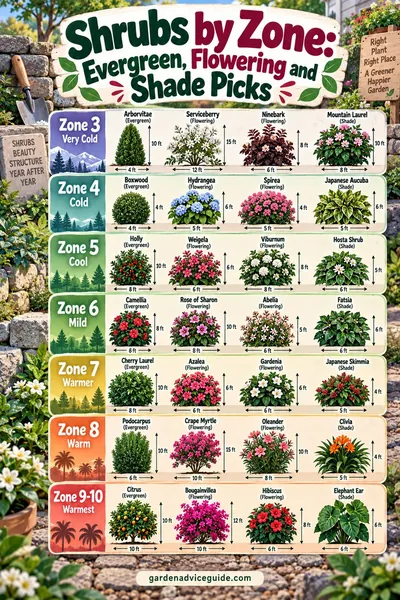
The ASPCA lists hydrangea as toxic to cats, dogs and horses. Signs can include vomiting and diarrhea. Plant it away from spots where pets chew, and if a pet eats some, call your vet or the ASPCA Animal Poison Control Center. Deer browse hydrangeas too, especially the tender tips and winter buds, which can look like a pruning mistake. Our page on oakleaf hydrangea and deer covers protection, and shrubs by zone lists other choices.
Quick answers about hydrangea care
How often should I water hydrangeas?
About once or twice a week, deeply, for established plants in the ground, which works out to roughly an inch of water. Check 2 inches down first, and water when it feels dry. Water more in hot, dry spells and less in cool, wet weather. New plants and potted hydrangeas may need water every day in midsummer.
How much sun do hydrangeas need?
Most like about 4 to 6 hours of morning sun and shade in the afternoon. Panicle hydrangeas can take full sun, especially in the north. Bigleaf hydrangeas want the gentlest light. In hot southern zones, afternoon shade helps every type, while deep all-day shade means fewer flowers.
How do I make my hydrangea blue?
Only pink or blue bigleaf and mountain hydrangeas can change. Test the soil first. Blue needs acidic soil, about pH 5.5 or lower, with aluminum available. Add garden sulfur or aluminum sulfate at label rates and be patient, since the change takes a season or more. White varieties stay white.
Why are my hydrangea leaves turning brown?
Usually too little water, hot afternoon sun or frost. Brown crispy edges in summer mean thirst or scorch, so water deeply and add shade. Limp brown shoots after a cold snap are frost damage. Wait until late spring to see what regrows before pruning anything off.
When should I fertilize hydrangeas?
Once in spring as the leaves open, with a balanced slow-release shrub fertilizer. Bigleaf types can take a second light feeding in early summer. Stop by August so new growth can harden before winter. Too much nitrogen gives lots of leaves and few flowers.
How do I protect hydrangeas in winter?
Mulch the base with 3 to 4 inches of leaves or bark after the ground cools. In zones 5 and 6, protect bigleaf buds with a wire cage filled with dry leaves or a loose burlap wrap. Leave the old flower heads on, water in dry spells and skip fall feeding.
Why is my hydrangea not blooming?
The usual causes are pruning at the wrong time, frost killing the flower buds, too much shade or too much nitrogen. Bigleaf and oakleaf hydrangeas carry next year's buds on this year's stems, so fall and spring cuts remove the flowers. Young plants may also take a year to settle in.
Are hydrangeas safe for pets?
No. The ASPCA lists hydrangea as toxic to cats, dogs and horses. Signs can include vomiting and diarrhea. Keep it out of reach of pets that chew plants. If a pet eats some, call your vet or the ASPCA Animal Poison Control Center right away.