How to Grow Zucchini

Direct sow zucchini seed outdoors once the soil holds 65 to 70F, which lands about 2 weeks after your last frost in most of the country. Give it full sun, 24 to 36 inches of elbow room per plant, and 1 to 1.5 inches of water a week. Then plant one or two, not six, because a single healthy plant will feed a household through August.
That last point is the honest warning almost nobody gives you at the garden center. Zucchini is not a crop where more plants means a better season. More plants means grocery bags of squash on your neighbor's porch at 7 a.m.
Not sure when your soil hits 65F? Get your sowing date with our free When-to-Plant Lookup before you open the seed packet.
How Many Zucchini Plants Do You Actually Need
Start here, because this decision is harder to undo than any other one on the list.
A single healthy zucchini plant produces 20 to 30 fruits over an 8 to 10 week run if you pick them young. Extension yield figures run 6 to 10 pounds per plant in an average year and 12 to 15 pounds in a good one. That is roughly 3 fruits a week at peak, per plant, for two months.
| Household | Plants for fresh eating | Plants if you also freeze or bake |
|---|---|---|
| 1 to 2 people | 1 | 2 |
| 3 to 4 people | 1 to 2 | 2 to 3 |
| 5 or more | 2 | 3 to 4 |
| You want to give some away | 2 | 3 |
The reason people plant six is insurance against squash vine borer, and that instinct isn't crazy. The better version of that insurance is two plants now and two more sown in early July, which also dodges the borer's main flight. You get backup without the flood.
If you already planted six, you have two useful options: pull the extras while they're small, or commit to picking every fruit at 5 inches and treating the surplus as shredded freezer stock.
When to Plant Zucchini by Zone
Zucchini is a fast warm-season crop. Most varieties run 45 to 55 days from seed to first fruit, so there is no advantage to rushing seed into cold ground.
| Zone | Typical last frost | Direct sow outdoors | Second sowing for fall |
|---|---|---|---|
| 3 | May 15 to Jun 1 | Early to mid June | Skip, season too short |
| 4 | May 5 to May 20 | Late May to early June | Late June |
| 5 | Apr 25 to May 10 | Mid to late May | Early July |
| 6 | Apr 10 to Apr 25 | Early to mid May | Mid July |
| 7 | Mar 25 to Apr 10 | Late April to early May | Late July |
| 8 | Mar 10 to Mar 25 | Mid April | Early August |
| 9 | Feb 5 to Feb 25 | Mid to late March | Late August |
| 10 | Frost rare | February and September | October |
Treat those dates as regional averages, not promises. Frost tables and USDA zone maps are built from 30-year averages recorded at weather stations that may sit miles from your garden and hundreds of feet higher or lower. Elevation, a nearby lake, a low spot that pools cold air, or a stretch of pavement that holds heat will move your real dates by 1 to 2 weeks in either direction. Two gardens in the same county at different elevations are not on the same schedule. Your county extension office publishes local frost data, knows those pockets, and answering that question is free. Cross-check your station numbers in our frost dates tool and confirm your zone with the growing zones lookup.
Soil temperature is the real signal
Push a soil thermometer 2 inches down at 9 a.m. and look for 65F before sowing, 70F for fast even germination.
At 60F soil, zucchini seed takes 10 to 14 days to come up and a good share of it rots first. At 70F you get seedlings in 5 to 7 days. At 80F, 4 days. The seed is large and starchy, which makes it a meal for soil fungi during a long slow germination.
Laying black plastic over the bed for 10 days ahead of sowing is worth 5 to 8 degrees if you're impatient.
How to Grow Zucchini from Seed: Direct Sowing Beats Transplanting
Zucchini is a cucurbit, and like all of them it sends down a taproot within days. Break that root during transplanting and the plant spends 2 to 3 weeks rebuilding instead of growing.
Direct sowing method:
- Plant 1 inch deep, 2 to 3 seeds per spot.
- Space spots 24 to 36 inches apart, rows 3 to 4 feet apart.
- Water in, then keep the top inch damp until seedlings show.
- When the first true leaf opens, snip the extras at soil level and keep the strongest one. Don't pull them, because you'll tear the keeper's roots.
If your season is genuinely too short, start seed no more than 3 weeks before setting out, use peat or coir pots that go in the ground intact, and never bare-root a squash seedling. Our seed starting guide covers pot types and hardening off.
Spacing, Soil, Sun, and Feeding
Zucchini plants look modest at 4 weeks and enormous at 8. A mature plant covers 9 to 12 square feet of ground with leaves that can top 2 feet across.
- Spacing: 24 to 36 inches between plants, 36 to 48 inches between rows. In hills, 2 to 3 plants per hill with hills 4 feet apart.
- Sun: 8 hours. Zucchini tolerates light afternoon shade in zones 8 through 10 without much yield loss.
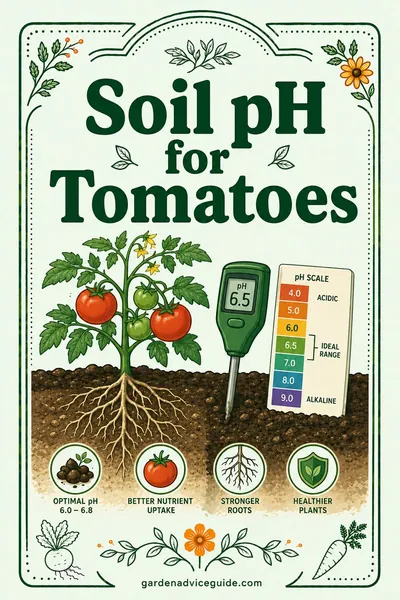
- Soil pH: 6.0 to 6.8. Zucchini is less fussy than tomatoes about this.
- Organic matter: work 2 to 3 inches of compost into the top 8 inches before sowing.
Feeding schedule that works:
- At sowing: a balanced feed such as 10-10-10, worked in lightly.
- At first true leaves: nothing extra.
- Once the plant is a foot across: balanced liquid feed every 2 to 3 weeks.
- Once fruit sets: shift to higher potassium, something like 5-10-10.
- Skip heavy nitrogen. You'll get a spectacular leafy plant that produces mostly male flowers and very little squash.
- Mulch 2 to 3 inches with straw once the soil is warm. This is what makes consistent watering possible.
Our plant spacing calculator works out how many plants your bed actually holds, and the raised bed soil calculator sizes the compost and topsoil for a new bed.
Worked example. A 4x8 raised bed is 32 square feet. At 36-inch spacing that holds 2 zucchini plants, one near each 4-foot end, and nothing else once they fill in. Each plant's leaf canopy covers about 9 square feet, so 1 inch of water over that footprint is 9 x 0.623 = 5.6 gallons per plant per week, or about 11 gallons for the bed. In a stretch above 90F, plan on 1.5 inches, which is 8.4 gallons per plant. Mulching that bed 2 inches deep takes 32 x (2/12) = 5.3 cubic feet of straw, roughly two compressed bales' worth of flakes. Expected return from those 2 plants: 40 to 60 fruits across the season, which is more zucchini than most families of four can eat fresh.
Male and Female Flowers, and Why Young Fruit Shrivels
This is the section that answers the single most common zucchini question, and the answer is almost never a disease.
Male flowers come first
A zucchini plant carries separate male and female flowers on the same plant. The male flowers open first, usually 7 to 10 days ahead of the first females, on long thin stems held up above the leaves.
New gardeners watch a plant covered in bright yellow flowers drop every one of them and conclude the plant is sick. It isn't. Males always drop after a day. That is their whole job: open, shed pollen, fall off.
Early in the season the ratio can run 5 or 10 male flowers to every female. It evens out as the plant matures.
How to tell them apart
Female flowers have a tiny zucchini behind them. That's the entire test, and it takes two seconds.
| Male flower | Female flower | |
|---|---|---|
| Behind the petals | Plain thin stem | Miniature zucchini |
| Stem length | Long, held above the leaves | Short, close to the crown |
| Appears | First, 7 to 10 days earlier | After the males |
| Center of flower | Single pollen-covered stamen | Lobed sticky stigma |
| If unpollinated | Drops in a day, normal | Fruit yellows and shrivels from the tip |
Rot at the blossom end of a squash is usually poor pollination, not calcium
Here is the correction worth the price of admission.
When a small zucchini turns yellow, then soft and brown at the blossom end (the flower end, opposite the stem) and then shrivels off the plant at 2 to 4 inches long, gardeners reach for calcium spray because it looks like blossom end rot on a tomato. It usually isn't.
In squash, that pattern is incomplete pollination. A female zucchini flower opens for a single morning. If it doesn't collect enough pollen in that window, the plant starts the fruit anyway, then aborts it, and the abortion begins at the tip. The tissue collapses and soft rot organisms move in afterward, which is what makes it look like a disease.
The difference from the tomato case:
| Squash blossom-end shrivel | Tomato blossom end rot | |
|---|---|---|
| Real cause | Flower wasn't fully pollinated | Calcium didn't reach the fruit, usually a water problem |
| Fruit size when it starts | Very small, 1 to 4 inches | Any size, often half grown |
| Look | Yellowing, then soft and mushy, whole tip collapses | Dry, sunken, leathery dark brown patch |
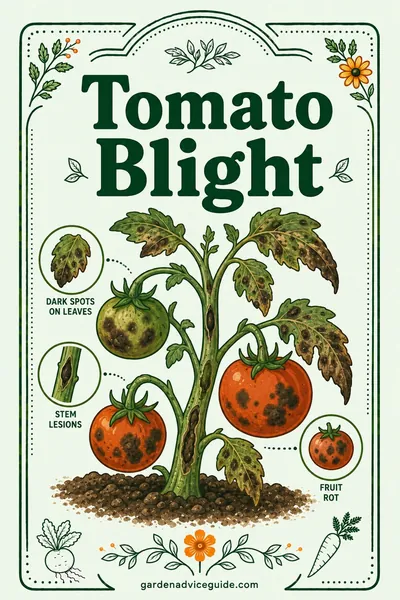
| Does calcium help | No | No, not directly; steady watering does |
| Real fix | Hand pollinate, bring in bees | Even soil moisture, mulch, stop erratic watering |
Both problems share one thing: adding calcium to the soil is not the answer to either. Our blossom end rot guide works through the tomato version in detail, including why eggshells don't do what people think. Read it for tomatoes; for squash, go pollinate.
The genuine exception: if your zucchini are reaching full size and then developing dry sunken leathery spots at the blossom end, that is real calcium-delivery blossom end rot and the tomato article applies. Erratic watering is the cause, and mulch plus consistent soakings is the fix. It's uncommon in zucchini and it looks different from the shrivel described above.
How to hand pollinate zucchini
Takes about 20 seconds and works reliably. Do it before 10 a.m., since flowers are freshest and pollen is most viable in the morning.
- Find an open male flower. Long plain stem, nothing behind the petals.
- Pick it and peel off the petals, leaving the pollen-covered stamen on its stalk. It looks like a small yellow paintbrush.
- Find an open female flower. Miniature zucchini behind it.
- Dab the stamen onto the stigma in the center of the female flower, rotating to touch all the lobes. You want visible yellow pollen transferred.
- One male per female is plenty. A soft artist's brush works too, but the peeled flower carries more pollen.
You'll know inside 3 days. A pollinated fruit visibly swells. An unpollinated one yellows at the tip and drops.
Common reasons the bees don't show up:
- Nothing else blooming. Plant borage, alyssum, cosmos, or dill nearby. Our companion planting chart lists the strongest bee draws.
- Row cover still on. Cover keeps borers and squash bugs off, and it keeps bees off just as well. Pull it the day the first female flower opens.
- Insecticide on open flowers. Organic products including spinosad and pyrethrin kill bees. Spray at dusk, never on blooms.
- Heat above 90F, which drops pollen viability and pushes the plant toward male flowers.
- Cool wet weather. Bees barely fly below 55F or in rain.
Watering Zucchini
Zucchini needs 1 to 1.5 inches per week, delivered in one or two deep soakings rather than a daily sprinkle.
Those giant leaves move a lot of water, so a zucchini plant will wilt dramatically at 2 p.m. on a hot day and stand back up by evening with no help at all. That midday flop is not a watering signal. Check the soil, not the leaves. Dig 2 inches down; if it's dry there, water today.
- Water at the base, drip or soaker if you have it. Wet leaves invite powdery mildew.
- Water in the morning so anything that does get splashed dries fast.
- Mulch 2 to 3 inches. This does more for consistency than any watering schedule.
- Container plants need water almost daily in July, sometimes twice on a hot windy day.
Our watering guide converts inches per week into minutes on your specific hose or drip line.
Squash Vine Borer vs Squash Bug
These get confused constantly. They are different insects, they do different damage, and the prevention for one does nothing for the other.
| Squash vine borer | Squash bug | |
|---|---|---|
| What it is | Larva of a clear-winged day-flying moth | Gray-brown shield-shaped true bug |
| Where it feeds | Inside the main stem, at the base | On leaves and runners, sucking sap |
| First sign | Whole plant collapses overnight | One runner or leaf wilts while the rest stands |
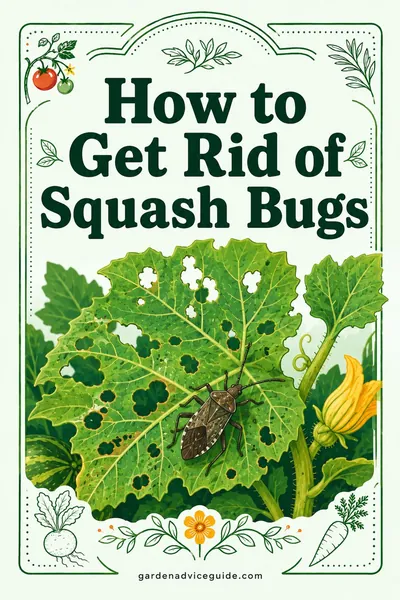
| Telltale evidence | Sawdust-like frass at a hole near the soil line | Bronze egg clusters in V patterns on leaf undersides |
| Timing | One main flight, roughly late June to mid July in zones 5 to 7 | Builds through July and August |
| Prevention that works | Row cover until flowering, stem wrap, timed second sowing | Egg scouting and crushing, hand-picking adults |
| Sprays | Useless once the larva is inside | Work on nymphs only, not armored adults |
The fastest field test: a whole plant flat on the ground overnight with a mushy stem base is borer. One vine wilting while the rest of the plant stands upright is squash bugs.
Stopping squash vine borer
The adult moth is orange and black, flies during the day, and looks enough like a wasp that most people never register it. It lays single flat brown eggs on the stem near the soil line.
- Row cover from sowing until the first female flower opens. This is the single most effective step, and it works only if the bed didn't grow squash last year, since the pupae overwinter in the soil.
- Wrap the bottom 4 inches of stem in aluminum foil or a strip of old nylon at transplant or thinning. The larva can't chew through it.
- Scout the stem base weekly from mid June. Rub off any flat brown eggs you find.
- Bury a node or two. Zucchini is bush-form so this is limited, but pinning a runner down and covering it with soil can start backup roots.
- Surgery works if you catch it early. Slit the stem lengthwise with a razor at the frass hole, dig the grub out, then mound moist soil over the wound to encourage new roots.
- Time a second sowing for early July in zones 5 through 8, after the main flight has passed. Those plants often finish the season clean.
- Butternut and other Cucurbita moschata types have solid stems and shrug the borer off. That won't save your zucchini, but it's worth knowing when you plan next year's squash bed.
Stopping squash bugs
Adults are armored and shed most sprays, which is why so many people conclude nothing works. The answer is eggs and nymphs. Our squash bug guide has the full timing chart, scouting routine, and what to actually spray.
The short version: check leaf undersides twice a week for bronze egg clusters and scrape them off with a strip of duct tape, hand-pick adults at dawn when they're slow, and lay a board flat on the soil overnight so you can flip it in the morning and collect the adults hiding underneath.
Powdery Mildew Is Coming, Plan for It
White powdery patches on zucchini leaves in August are close to inevitable in most of the country. Zucchini's big flat leaves, dense canopy, and long humid season make it one of the crops powdery mildew finds first.
It rarely kills a plant outright, but it shuts down photosynthesis leaf by leaf and can cut your late-season harvest by half.
What actually helps:
- Space at the full 36 inches. Crowding is the main thing you control.
- Remove the lowest 3 or 4 leaves once the plant is established, to open up airflow at the base.
- Water at the soil, in the morning.
- Start treatment at the first spot, not once half the plant is coated. Potassium bicarbonate and horticultural oil both work early and neither does much late.
- Pick resistant varieties next year. Look for PM or PMR on the packet, in cultivars like 'Dunja', 'Emerald Delight', or 'Anton'.
- Sow a July succession so you have a young clean plant coming into September.
Our powdery mildew treatment guide covers spray timing, the milk-spray question, and what to do once the plant is already covered.
Common Zucchini Problems
| What you see | Likely cause | What to do |
|---|---|---|
| Flowers drop, no fruit at all | Male flowers only, normal early | Wait 7 to 10 days for females |
| Small fruit yellows and shrivels at the tip | Poor pollination | Hand pollinate, remove row cover, add bee flowers |
| Fruit fat at stem, pinched at tip | Partial pollination | Hand pollinate in the morning |
| Full-size fruit with dry sunken tip | True blossom end rot | Even watering and mulch; see blossom end rot |
| Whole plant flat overnight, sawdust at the base | Squash vine borer | Stem surgery, then mound soil; row cover next year |
| One runner wilts, bronze eggs on leaf undersides | Squash bugs | See how to get rid of squash bugs |
| White powdery coating on leaves | Powdery mildew | See powdery mildew treatment |
| Leaves wilt at 2 p.m., recover by evening | Normal transpiration | Check soil 2 inches down before watering |
| Clusters of green or black insects on new growth | Aphids | See how to get rid of aphids |
| Huge leaves, few flowers | Too much nitrogen | Stop feeding N, switch to 5-10-10 |
| Silver or white patterning on leaves | Varietal marking, not disease | Nothing, it's normal on many hybrids |
That last one causes more panic than it should. Many zucchini varieties have natural silver mottling along the leaf veins. Powdery mildew sits on top of the leaf surface and rubs off on your thumb. Varietal silvering is in the leaf and won't budge.
When to Pick Zucchini
Pick at 6 to 8 inches and check the plant every single day at peak season.
Zucchini roughly doubles in size in about two days during warm weather. The 5-inch fruit you decide to leave until the weekend is a 14-inch club by Saturday, with pithy flesh, tough skin, and hard seeds.
More importantly, every fruit you leave to mature tells the plant its job is done. One oversized zucchini left on the plant can cut new flower production for a week. Frequent picking is not just about quality, it's the throttle on total yield.
What to look for:
- 6 to 8 inches long for standard green types, 1.5 to 2 inches thick.
- Glossy skin, not dull.
- Your thumbnail dents the skin easily. If it resists, you waited too long.
- Round varieties like 'Eight Ball' at tennis ball size, 3 to 4 inches.
- Blossoms, if you want them, picked as males in the morning while open.
Cut, don't twist. Use a knife or pruners and leave about an inch of stem on the fruit. Twisting tears the crown and opens a wound for rot.
Our when to harvest tool has maturity windows for every crop in the garden, and the planting calendar will tell you if there's still time for a fall sowing where you live.
Wear long sleeves. Mature zucchini leaves and stems carry stiff hairs that leave a rash on bare forearms after ten minutes of harvesting.
Storing Zucchini
Zucchini is a summer squash, which means thin skin and no curing. It will never store like a butternut, so don't try.
- Refrigerator, unwashed, in a loose or perforated bag. 7 to 10 days.
- Best storage temp is 45 to 50F, which is warmer than most fridges. Below 40F for more than a few days gives you pitted water-soaked spots. Use the crisper drawer, which is the warmest part.
- Don't wash until you use it. Surface moisture is what starts the soft rot.
- Counter storage is fine for 2 to 3 days.
- Freezing shredded is the best route for the flood. Grate it, squeeze out the liquid in a clean towel, pack in 2-cup portions, and freeze up to 10 months. It goes straight into bread and soup.
- Freezing slices requires blanching 3 minutes first, and the texture still softens. Use it in cooked dishes only.
- Drying works if you slice thin. Dehydrated zucchini chips keep about a year in a sealed jar.
- Pickling is worth doing with the 4-inch fruit. Refrigerator pickles need no canning and keep 4 to 6 weeks. For shelf-stable jars, follow a tested water bath recipe, since squash is low-acid on its own. The USDA Complete Guide to Home Canning is the source to follow.
Note the one thing you can't do: plain zucchini cannot be safely canned by itself in a water bath, and USDA withdrew its pressure-canning recommendation for plain summer squash years ago because heat penetration is unreliable. Freeze it or pickle it.
FAQ
Why does my zucchini plant flower but never make fruit?
Early in the season the plant produces only male flowers, which open for a day and drop, and the first females arrive 7 to 10 days later. Female flowers are the ones with a miniature zucchini behind the petals. If females are opening and then yellowing while still small, that's a pollination failure, so remove any row cover, plant flowers nearby to draw bees, and hand pollinate before 10 a.m. until the bees find you.
Why do my small zucchini rot at the blossom end and fall off?
That's almost always incomplete pollination, not a calcium problem. A zucchini flower is open for one morning, and if it doesn't get enough pollen the plant aborts the fruit starting at the tip, which then goes soft and looks like rot. Hand pollinate for a week and the problem usually disappears. True blossom end rot, the dry leathery kind on full-size fruit, is a watering issue and is covered in our blossom end rot guide.
How many zucchini plants do I need for a family of four?
One or two. A single healthy plant makes 20 to 30 fruits over 8 to 10 weeks, which is about 3 a week at peak. Two plants give you enough to freeze or give away plus a spare in case a squash vine borer takes one out. Three or more is how the zucchini jokes started.
How big should zucchini be when you pick it?
Six to 8 inches long and about 1.5 to 2 inches thick, with glossy skin your thumbnail dents easily. Check the plant daily in peak season, because zucchini roughly doubles in size in two days in warm weather. Picking young also keeps the plant setting new fruit, since one oversized squash left on the plant signals it to slow down.
How far apart should zucchini plants be spaced?
Twenty-four to 36 inches between plants, with 36 to 48 inches between rows. Go with the full 36 inches if powdery mildew is a problem where you live, because airflow between plants is one of the few mildew factors you control. In hills, set 2 to 3 plants per hill with hills 4 feet apart. Our plant spacing calculator works out how many your bed actually holds.
What killed my zucchini plant overnight?
If the whole plant collapsed at once and the stem base is mushy with sawdust-like material at a small hole, that's squash vine borer. If one runner wilted while the rest of the plant stayed upright, look for gray-brown shield bugs and bronze egg clusters on the leaf undersides, which is squash bugs. Different pests, different fixes, and our squash bug guide covers the second one in full.
Can you grow zucchini in a container?
Yes, in a 10 gallon pot minimum, one plant per pot, filled with potting mix rather than garden soil. Bush and compact varieties like 'Astia', 'Raven', and 'Bush Baby' are bred for it. Expect to water daily in July and feed with a liquid fertilizer every 10 to 14 days, because frequent watering flushes nutrients out the bottom. Yields run lower than in-ground, maybe 10 to 15 fruits per plant.
Is it too late to plant zucchini in August?
In zones 8 and warmer, no. Zucchini goes from seed to first fruit in 45 to 55 days, so count back from your first fall frost, add 10 days of buffer, and if you clear that window you can still sow. Zones 5 through 7 should have sown by mid July. A late sowing has a real advantage too, since it misses the main squash vine borer flight and often stays cleaner than the spring planting. Check your dates in the planting calendar.
Updated August 2026