Companion Planting Chart

Here's the full companion planting chart for 19 common vegetables, showing what to plant together, what to keep apart, and the reason for each. The short version: a handful of pairings are genuinely supported by field research (trap cropping, aromatic pest confusion, legume nitrogen, shade from tall crops, insectary flowers), and most of the rest are traditional garden lore that hasn't held up when anyone actually tested it. Both are in the chart below, labeled honestly.
Spacing matters more than pairing. Work out how many plants fit your bed with our free Plant Spacing Calculator before you commit to a layout.
The problem with most companion planting charts is that they're photocopies of each other, tracing back to a couple of books from the 1970s. Nobody re-checks them. So you end up planting basil next to tomatoes for "better flavor" while ignoring the pairing that would have actually saved your squash. This chart separates the two.
The Full Companion Planting Chart
Rows are the crop you're planting. "Why" gives the mechanism, and whether it's tested or traditional.
| Crop | Good companions | Keep apart from | Why |
|---|---|---|---|
| Tomato | Basil, marigold, borage, lettuce, carrot, parsley, chives | Potato, fennel, corn, brassicas, black walnut | Potato shares blight; corn shares the corn earworm/tomato fruitworm; fennel is allelopathic; walnut juglone wilts tomatoes. Basil pairing is traditional, not proven. |
| Pepper | Basil, onion, carrot, spinach, tomato | Fennel, brassicas, black walnut | Same juglone sensitivity as tomato. Low, leafy neighbors shade the soil without competing for height. Peppers and tomatoes share diseases, so rotate as one group. |
| Cucumber | Blue Hubbard squash (trap crop), radish, dill, nasturtium, beans, corn | Potato, aromatic herbs like sage, fennel | Perimeter trap cropping with blue Hubbard is well documented for cucumber beetles. Dill flowers feed parasitic wasps. Sage/cucumber antagonism is folklore. |
| Summer & winter squash | Corn, beans, blue Hubbard (trap crop), nasturtium, borage | Potato | The Three Sisters relationship is real (below). Squash and potato compete hard for the same soil space and share no benefit. |
| Bush & pole beans | Corn, squash, carrot, cucumber, radish, potato, marigold | Onion, garlic, leek, shallot, fennel, sunflower | Beans fix nitrogen (real, but see the caveat below). Onion-family antagonism is traditional; controlled evidence is thin. Fennel inhibits most neighbors. |
| Peas | Carrot, radish, spinach, lettuce, turnip, cucumber | Onion, garlic, leek | Same nitrogen story as beans. Peas finish in early summer and leave a hole in the bed that squash or beans can fill. |
| Corn | Beans, squash, cucumber, melon, sunflower | Tomato, celery | Corn is the trellis in the Three Sisters. Corn earworm and tomato fruitworm are the same insect, so separating them cuts shared pressure. |
| Carrot | Onion, leek, chives, rosemary, sage, tomato, peas, lettuce | Dill, fennel, parsnip | Onion-family scent genuinely disrupts carrot rust fly host-finding (this one has research behind it). Dill and fennel cross with carrots and can stunt them. |
| Beet | Onion, garlic, lettuce, brassicas, bush beans | Pole beans | Beets are shallow-rooted and pair with almost anything. Pole bean shade is the only real conflict. |
| Onion | Carrot, beet, lettuce, tomato, strawberry, brassicas, chamomile | Beans, peas, asparagus, sage | The sulfur scent masks host plants for several pests. The legume conflict is traditional; the practical version is that onions are poor at competing with vigorous vining legumes. |
| Garlic | Tomato, carrot, beet, brassicas, fruit trees, roses | Beans, peas, asparagus | Same as onion. Garlic goes in during fall and comes out in July, so it slots into beds before and after summer crops, see when to plant garlic. |
| Lettuce | Carrot, radish, cucumber, onion, strawberry, tall crops for shade | Brassicas (competition), fennel | Shading lettuce with taller crops genuinely extends the harvest into warm weather by delaying bolting. This is one of the strongest real effects on the chart. |
| Spinach | Peas, beans, strawberry, radish, brassicas, tall crops for shade | Fennel | Same shade logic as lettuce. Spinach is short and fast, so it fills gaps between slower crops. |
| Brassicas (cabbage, broccoli, kale, cauliflower) | Onion, garlic, beet, dill, chamomile, nasturtium (trap crop), thyme | Strawberry, tomato, pole beans, fennel, other brassicas | Nasturtium as a cabbage-white trap crop has real support. Brassica/strawberry conflict is partly shared soil disease, partly competition. Never follow brassicas with brassicas. |
| Potato | Beans, corn, cabbage, horseradish, marigold | Tomato, pepper, eggplant, squash, cucumber, sunflower | Potato and tomato are the same family and share late blight and Colorado potato beetle. This one is a genuinely important separation, not folklore. |
| Radish | Carrot, lettuce, peas, cucumber, squash, spinach | Hyssop, brassicas | Radish is a documented trap crop for flea beetles, drawing damage off eggplant and brassicas. Also the fastest bed-filler you can plant. |
| Melon | Corn, squash, nasturtium, radish, marigold | Potato | Melons want the same conditions as squash and share the same pests, so treat them as one block for rotation. |
| Eggplant | Beans, marigold, radish (trap crop), thyme, pepper | Fennel, black walnut | Bush beans in the row genuinely reduce Colorado potato beetle pressure on eggplant in field trials. Radish pulls flea beetles off young transplants. |
| Herbs (basil, dill, cilantro, thyme, oregano, mint) | Most crops; dill and cilantro flowers are the best beneficial-insect magnets you can plant | Fennel near anything; mint only in pots | Umbellifer flowers (dill, cilantro, parsley when bolted) feed hoverflies and parasitic wasps. This is well established. Fennel is the exception in the family. |
What Actually Has Evidence Behind It
Five mechanisms hold up. If you only act on these, you'll get most of the benefit.
1. Trap cropping. You plant something the pest likes more, in the right place, and the pest goes there instead. The best-documented example in North American vegetable growing is perimeter trap cropping with blue Hubbard squash to protect cucumber and summer squash from striped cucumber beetle. University of Massachusetts Extension developed and field-tested the system, and it works because the beetles land on the border rows first and mostly stay there. Nasturtium for cabbage whites and radish for flea beetles follow the same logic.
The catch nobody mentions: a trap crop only helps if you manage it. Leave it unsprayed and unpulled and you've built a pest nursery next to your vegetables.
2. Disrupting host-finding with non-host plants. Many pests locate their host plant by landing on green things and testing them. Interplanting a non-host among your crop means more failed landings and fewer eggs laid. Entomologists Finch and Collier published the framework for this, and it explains why undersowing brassicas with clover cuts root fly damage. The carrot/onion pairing works this way too: the onion smell interferes with carrot rust fly locating the carrots.
Note what this is not: it isn't a plant "repelling" a pest with a magic scent. It's a numbers game about landings.
3. Legume nitrogen fixation. Beans and peas host rhizobia bacteria that pull nitrogen from the air. Completely real. The honest caveat is timing: most of that nitrogen stays locked in the plant until it dies and decomposes. Your tomato growing beside a bean plant in July is getting very little of it. The benefit shows up in next season's bed, when you cut the beans at soil level and leave the roots in the ground.
So plant legumes for the rotation, not for the neighbor.
4. Shade and living mulch. A tall crop shading a cool-season crop is the most reliable companion effect there is, because it's just physics. Lettuce and spinach bolt when soil heats up. Plant them on the north side of a tomato row or under a pole-bean trellis and you buy an extra three to four weeks of harvest. Sprawling squash leaves shading bare soil suppress weeds and slow evaporation the same way.
5. Insectary planting. Flowers with small, shallow nectar in the carrot family (dill, cilantro, fennel, parsley, ammi) and daisy family (cosmos, alyssum, calendula) feed the adult stages of parasitic wasps and hoverflies whose larvae eat aphids and caterpillars. Let a few cilantro plants bolt instead of pulling them. This is standard practice on organic farms because it measurably works.
What's Traditional, Not Proven
None of this is harmful. It's just not the reason your garden succeeds or fails, and believing it can crowd out the things that matter.
- Basil improves tomato flavor. No evidence. Basil is a fine neighbor, it's the right size, and both want the same water and sun. Plant them together because it's convenient and looks good.
- Marigolds repel everything. Here's the nuance that makes this interesting: French marigolds genuinely suppress root-knot nematodes, and that's well documented by extension research. But the effect requires growing them as a dense solid stand for a full season and tilling them in, not tucking three at the corners of a bed. As a border plant, a marigold is a border plant.
- Borage deters tomato hornworm. No controlled evidence. Borage is a great bee plant, so grow it for that.
- The classic "carrots love tomatoes" pairings. Most trace to mid-century books built on observation and intuition rather than trials. Some later held up (carrot/onion), most were never tested at all.
-
Onions suppress beans and peas. This one is in every chart, including the one above, and the mechanism usually cited is allelopathic sulfur compounds. The controlled evidence for it is weak. The practical version is real enough though: onions have shallow, sparse roots and lose the competition when a vigorous vining legume takes over the space.
-
Aromatic herbs keep deer out of the vegetable garden. They don't. A border of rosemary, sage, or mint will not stop a deer from walking into your beans. Deer avoid specific plants they find unpalatable; they don't avoid a whole area because something nearby smells strong. If deer are your actual problem, you need fencing or a planting list built around it, not a companion chart. Our guide to deer resistant plants covers what genuinely gets left alone.
If a pairing has no downside and you like it, plant it. Just don't skip crop rotation because you trusted a chart.
Real Antagonists With Real Mechanisms
These four are worth taking seriously, because the mechanism is documented and the damage is visible.
Black walnut and juglone. Black walnut trees produce juglone, a compound released from roots, leaves, and hulls that's toxic to a specific set of plants. Tomato, pepper, eggplant, and potato are the classic casualties: they wilt from the bottom up and die within the walnut's root zone, which extends well past the drip line. Modern research suggests some of the blame belongs to plain root competition and shade, but the solanaceous wilting is real and well documented. If you have a black walnut, garden in raised beds with a barrier, well away from the tree.
Fennel. Fennel is genuinely allelopathic. It releases compounds that inhibit germination and growth in a broad range of neighbors, including beans, tomatoes, and most brassicas. Grow it in its own corner or a pot. Its flowers are excellent for beneficial insects, which is the one reason to keep it around at all.
Brassicas and strawberries. Traditional, but with a real basis: they compete for the same shallow root zone, and brassica residue can host pathogens that trouble strawberries. Strawberries are also susceptible to Verticillium wilt, which is worth keeping in mind when planning what precedes them in a bed.
Same-family crowding. The biggest real antagonism on any chart isn't plant-to-plant chemistry. It's planting the same family in the same soil year after year. Tomato next to potato is a problem because they share late blight and the Colorado potato beetle. Broccoli after cabbage is a problem because clubroot builds in the soil. Rotating families on a three- or four-year cycle does more for your garden than every pairing in the chart combined.
How to Actually Use This Chart: A 4 x 8 Raised Bed
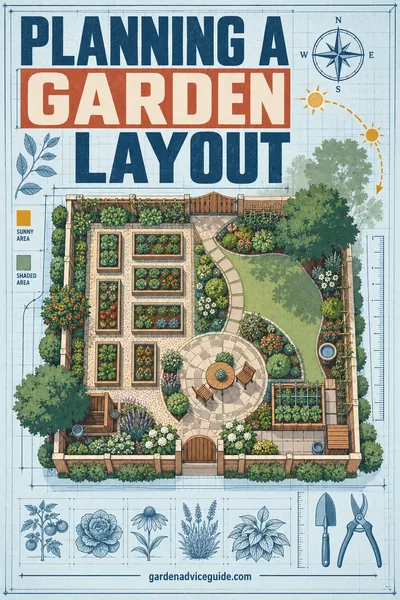
Charts are useless until you turn one into a layout. Here's a real 4-foot by 8-foot raised bed, 32 square feet, planted for a full summer season. The bed runs east-west, so the north edge is the shady side.
Work from tallest at the north end to shortest at the south, so nothing shades what it shouldn't.
Row 1, north edge, 8 feet long. Four indeterminate tomatoes, 24 inches apart, caged. That's the whole row.
Tucked between the tomato cages. Three basil plants at roughly 12-inch spacing, in the gaps where the cages don't reach. Two marigolds at the corners. Neither one is doing pest control magic, but both fill space that would otherwise grow weeds, and the basil harvests all summer.
Row 2 to 12 inches south of the tomatoes. Bush beans, two staggered lines 6 inches apart within the row, plants 6 inches apart. That's about 30 plants across 8 feet. They finish around the time the tomatoes need the room, and the roots stay in the ground when you cut them.
Row 3, the middle band. Carrots and onions in alternating 12-inch blocks down the 8-foot length. Carrots at 3-inch spacing (roughly 32 per foot-wide block across two lines), onions at 4-inch spacing. This is the one pairing on the chart with genuine research behind it, and it's free to do.
Row 4, south edge. Lettuce at 8-inch spacing, about 12 plants. It gets full sun in April and May, then the tomatoes grow tall enough to throw afternoon shade on it by late June, which buys you three to four extra weeks before it bolts.
After the peas and lettuce finish in July, that south row opens up. Direct-sow a second round of bush beans or fall carrots there. In October, the whole bed clears and garlic goes in for next summer.
Two numbers worth checking before you dig: 32 square feet holds a lot less than it seems once tomato cages take up 2 feet of diameter each, and carrots at 3-inch spacing means 16 carrots per running foot per line, which is 250+ carrots from that middle band. Run your own bed dimensions through the plant spacing calculator before you buy seed.
If you're planning this bed in January instead of May, winter sowing is the cheapest way to have the lettuce, brassica, and herb transplants ready to go in on day one.
The Three Sisters, Done Properly
Corn, beans, and squash grown together is the one polyculture that isn't folklore. It's a documented agricultural system developed by Indigenous peoples across North America over centuries, and each part does a real job.
- Corn provides the vertical structure the beans climb, which saves you from building a trellis.
- Pole beans fix nitrogen through their root nodules and use the corn instead of competing with it for light.
- Squash sprawls across the ground, shading out weeds and slowing soil moisture loss. The prickly stems and leaves also discourage some animals from walking through.
The reason it fails for most modern gardeners is timing and spacing, not the concept.
Do it this way:
- Plant corn first, in blocks rather than single rows so it pollinates properly. A minimum of a 4-by-4 grid of hills, hills 18 inches apart, 4 to 5 corn plants per hill.
- Wait until the corn is 6 to 8 inches tall. This is the step everyone skips. Plant beans at the same time and they'll swamp young corn.
- Then sow 4 pole beans per hill around the corn. Pole beans, not bush.
- Sow squash a week later in the gaps between hills, one plant per gap, and let it run out into the paths.
Use a sturdy field or flour corn rather than a floppy modern sweet corn hybrid, and give the whole thing more nitrogen up front than you think it needs, because corn is hungry and the beans won't help it in year one.
FAQ
Does companion planting actually work?
Parts of it do. Trap cropping, aromatic crops disrupting pest host-finding, tall crops shading cool-season greens, and flowering herbs feeding beneficial insects all have research behind them. The flavor-improvement and general "repels pests" claims mostly don't. Use the chart for the tested mechanisms and treat the rest as harmless tradition.
What should never be planted together?
The pairings with real mechanisms: anything in the tomato family near a black walnut, fennel near almost any vegetable, potatoes next to tomatoes or peppers, and any crop family planted where the same family grew last year. Those four cause visible problems. Most other "never" pairings on standard charts are traditional.
What is the best all-around companion plant?
Dill or cilantro, allowed to flower. The tiny umbels feed adult parasitic wasps and hoverflies whose larvae eat aphids and caterpillars, and that's one of the best-supported effects in the whole subject. Let two or three plants bolt in every bed instead of pulling them.
Can I plant tomatoes and peppers together?
Yes, they're compatible neighbors and want the same conditions. The catch is rotation: they're both nightshades, so they share diseases and should be moved as one group to a different bed the following year. Never follow either one with potatoes or eggplant in the same soil.
Do marigolds really repel pests?
French marigolds suppress root-knot nematodes in soil, which is well documented, but only when grown as a dense solid stand for a full season and then turned in. A few marigolds edging a bed won't do that. They're still worth planting for the flowers and the bare-soil coverage.
How far apart do companion plants need to be?
Follow each crop's own spacing requirement first; companion pairing never overrides it. Crowding causes far more disease and yield loss than any bad pairing. If your chart says two crops go together but your bed can't fit both at proper spacing, plant one.
Does the Three Sisters method work in a small garden?
It needs more room than most people have. Corn needs a block at least 4 rows by 4 rows to pollinate, which is roughly a 6-by-6-foot minimum, plus room for squash to run out of it. In a 4-by-8 bed you're better off growing pole beans on a trellis and squash somewhere else.
Where did the classic companion planting chart come from?
Most circulating charts trace back to a small number of mid-20th-century books, particularly Carrots Love Tomatoes, which compiled traditional and biodynamic garden lore. Very little of it was tested. Some pairings have since been confirmed by research, more were never studied, and a few have been checked and didn't hold up. That's why this chart labels each one.
Updated August 2026