What to Plant in January, Zone by Zone

What to plant in January depends almost entirely on your zone. In zones 3 to 6, January is a seed-starting and planning month: you can start onions, leeks and slow flowers indoors late in the month, and winter sow hardy seeds outside in milk jugs. In zones 7 and 8, it's time to start onions, leeks, peppers and broccoli indoors. In zones 9 to 11, January is real planting season, with peas, lettuce, carrots, potatoes and onion transplants going straight into the garden.
So if you're in Minnesota and feeling left out, don't worry. Your January job is small but it matters: the onions you start in the next few weeks are the ones you'll pull in August.
Garden Advice Guide · free calculator
January Planting Finder: What to Start and Sow This Month
Type your ZIP code or pick your zone. You get what to start indoors and what can go outside in January, plus seed-starting dates from your own frost date.
Need more? Open the free Frost Dates.
 Planting Calendar
 Frost Dates
 Seed Starting Calculator
Why your frost date decides your January list
Every seed packet counts in weeks from your average last spring frost. "Start indoors 10 to 12 weeks before last frost" means something very different in Atlanta than in Chicago. Once you know your date, January sorts itself out.
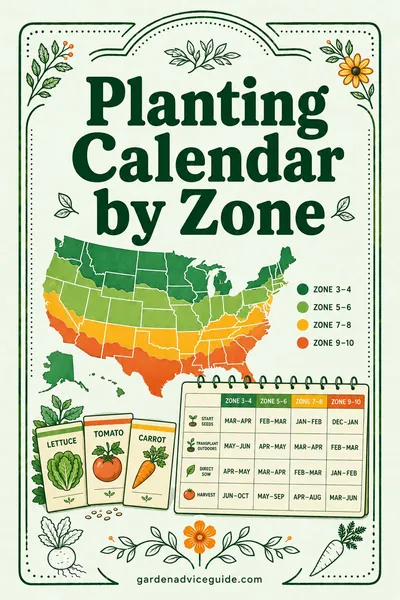
Here are the typical last frost dates by zone, from the same data our frost date tool uses:
| Zone | Typical last spring frost | What January means there |
|---|---|---|
| 3 | Around May 23 | Planning, ordering seeds and winter sowing |
| 4 | Around May 19 | Planning, winter sowing and the slowest flowers indoors |
| 5 | Around May 7 | Slow flowers indoors; onions wait for February |
| 6 | Around April 25 | Onions and leeks indoors in the last days of January |
| 7 | Around April 9 | Onions, leeks, pansies and snapdragons indoors mid-month |
| 8 | Around March 19 | Peppers, broccoli and cabbage indoors; onion sets outside |
| 9 | Around February 9 | Cool crops outdoors, tomatoes started indoors |
| 10 | Around January 12 | Peak growing season for almost everything |
| 11 | No frost | Peak dry season: plant and harvest all month |
Those are averages, and half of all years the last frost comes later. Elevation and distance from the coast move the date a lot too, so look up your own ZIP code instead of trusting the zone number alone.
What seeds to start indoors in January
Only a short list of seeds really wants a January start. They're all slow growers that need 10 weeks or more before they're ready to go outside.
- Onions, leeks and shallots from seed: 10 to 12 weeks before your last frost. That's mid-January in zone 7 and the last days of January in zone 6.
- Celery and celeriac: about 10 to 12 weeks before last frost, the same window as onions.
- Peppers and eggplant: 8 to 10 weeks before last frost, so January only in zones 8 and 9.
- Broccoli, cabbage and cauliflower: about 6 weeks before you set them out, which is late January in zone 8.
- Slow flowers: geraniums, begonias and lisianthus need 12 to 16 weeks, so zones 4 to 7 can start them this month.
- Pansies, violas and snapdragons: 10 to 12 weeks before last frost.
Not on the list: tomatoes in most zones. A tomato started in January in zone 6 will be leggy and root-bound by April. Our seed starting calculator counts back from your own frost date for every crop if you want the exact day.
What to plant in January in zones 3, 4 and 5
Your last frost is still 15 to 20 weeks away, so January is a quiet month up here. That's fine. A few small jobs now make spring a lot calmer.
Start indoors:
- Geraniums, begonias and lisianthus, all of which need 12 to 16 weeks (zones 4 and 5)
- Microgreens and windowsill herbs like parsley and chives, just for fun and fresh greens
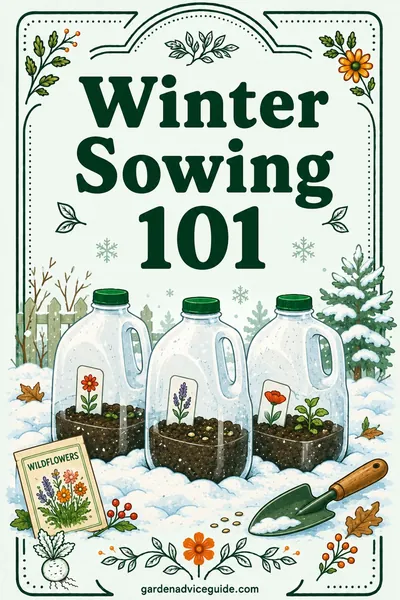
Winter sow outdoors: this is the one way to "plant outside" in a zone 4 January. You sow seeds in clear containers, like milk jugs with drainage holes, and set them outside in the cold. Nature does the chilling, and the seeds sprout when they're ready. It works best for perennials and hardy annuals such as coneflowers, black-eyed Susans, milkweed, columbine, larkspur and poppies. Our winter sowing guide walks through it step by step.
Plan: order onion seed now so it's ready for a February or early March start. Zone 5 starts onions around mid-February; zones 3 and 4 wait until late February or early March.
What to plant in January in zone 6
Zone 6 sits right at the edge. Most of the month is planning, then things kick off in the last week.
- Last week of January, indoors: onions, leeks and shallots from seed, plus celery
- All month, indoors: geraniums, begonias, lisianthus, and pansies and snapdragons late in the month
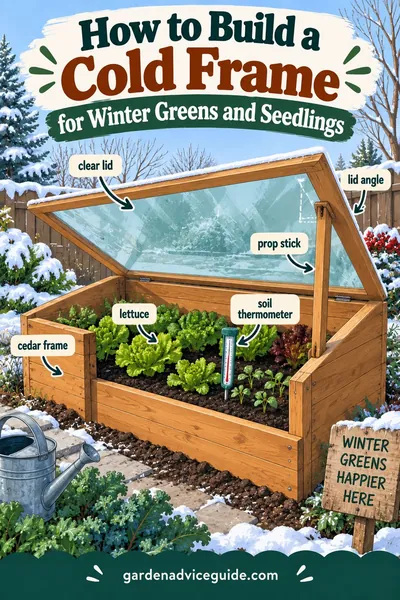
- Outdoors: winter sowing in jugs for perennials, hardy annuals and even kale or lettuce in a cold frame
Hold off on peppers until late February and tomatoes until March. It's tempting when the seed catalogs arrive, but a later start gives you stockier, happier plants.
What to plant in January in zone 7
Zone 7 gets its first real seed-starting window in January. With an average last frost around April 9, mid-January is about 12 weeks out.
- Mid to late January, indoors: onions, leeks, shallots, celery, pansies, violas and snapdragons
- Late January, indoors: peppers and eggplant, if you like to get a jump on them
- Outdoors, if the ground isn't frozen: bare-root fruit trees, roses and berry canes, plus winter sowing in jugs
- Under a cold frame: spinach, lettuce and mache
Peas and spinach can go straight into open ground from late February. A warm week in January is a nice surprise, but it's not spring yet.
What to plant in January in zone 8
This is a busy month in zone 8. Your last frost is around mid to late March, so the indoor seed-starting season is in full swing and a few hardy crops can go outside.
- Start indoors early in the month: peppers and eggplant (8 to 10 weeks before frost)
- Start indoors late in the month: broccoli, cabbage, cauliflower and kale, and tomatoes in the last days of January in the warmer half of the zone
- Plant outdoors: onion sets and short-day onion transplants, bare-root fruit trees, roses, grapes and berries
- Direct sow late in the month: peas, spinach and radishes in a sunny spot
Short-day onions are the kind that bulb up when days are around 10 to 12 hours long. They're the right pick across most of the South.
What to plant in January in zone 9
Zone 9's last frost lands around early to mid February, so January is prime time for cool crops in the ground and the last call to start tomatoes indoors.
Direct sow or plant outdoors:
- Peas, spinach, lettuce, arugula, radishes, carrots and beets
- Potatoes, about 2 to 4 weeks before your frost date, so mid to late January
- Onion transplants and garlic you didn't get in during fall
- Broccoli, cabbage and kale transplants
- Bare-root roses, fruit trees and strawberry plants
Start indoors in the first week of January: tomatoes, peppers and eggplant. They'll be ready to go out in late February and March. If you miss the window, buying transplants is totally fine.
What to plant in January in zones 10 and 11
Good news: January is one of your best months. It's cool, mostly dry and comfortable, and almost everything grows.
- Vegetables: tomatoes, peppers, eggplant, lettuce, carrots, beets, broccoli, cabbage, cauliflower, kale, peas, bush beans and potatoes
- Herbs: cilantro, dill, parsley and chamomile, which bolt fast once it heats up
- Fruit: strawberries for a spring harvest
- Flowers: petunias, snapdragons, alyssum, nasturtiums and calendula
Zone 10a can still get a rare frost, so keep frost cloth handy for tomatoes and peppers on a clear, still night. Zone 11 doesn't need to worry about frost at all.
Worked example: zone 7, last frost April 9
Say you're in zone 7 with an average last frost of April 9. Here's how your January plays out:
- Jan 1 to 14: order seeds, wash seed trays, and check that your grow light still works. Start a few milk jugs of coneflowers and larkspur outside.
- Jan 15 to 29: sow onions, leeks and celery indoors (12 to 10 weeks before frost). Sow pansies and snapdragons too.
- Jan 29 onward: peppers and eggplant go into seed trays on a heat mat (10 to 8 weeks before frost).
- Any mild week: plant a bare-root apple tree or rose if the soil isn't frozen or soggy.
Tomatoes wait until about Feb 12, which is 8 weeks out. That's the whole month, and it fits around real life.
What flowers to plant in January
| Flower | How to plant in January | Best zones for a January start |
|---|---|---|
| Geranium (from seed) | Start indoors, 12 to 16 weeks before frost | 4 to 7 |
| Begonia | Start indoors; tiny seed, press on the surface | 4 to 7 |
| Lisianthus | Start indoors; it's slow, so start early | 4 to 8 |
| Pansy and viola | Start indoors 10 to 12 weeks before frost, or plant outside in the South | 6 to 7 indoors, 8 to 10 outside |
| Snapdragon | Start indoors, or plant transplants outside in warm zones | 6 to 7 indoors, 9 to 11 outside |
| Coneflower, black-eyed Susan, milkweed | Winter sow outdoors in jugs | 3 to 7 |
| Larkspur and poppy | Winter sow, or scatter on bare soil in the South | 3 to 9 |
| Sweet pea | Direct sow outdoors | 8 to 9 |
Common January planting mistakes
Starting tomatoes too early. It's the classic one. A tomato only needs 6 to 8 weeks indoors. Any longer and it gets tall, floppy and stressed, and a later-started plant often catches up and passes it.
Skipping the grow light. A January windowsill gets only a few weak hours of sun. Seedlings stretch toward it and flop over. A simple shop light hung 2 to 4 inches above the seedlings, on for 14 to 16 hours a day, fixes it.
Working frozen or soggy soil. Even in zone 8, January soil can be waterlogged. Squeeze a handful: if it stays in a sticky ball, wait a few dry days before you dig.
Forgetting the soil warms slowly. Peas sprout in soil around 40°F, but lettuce and carrots like 45°F or more. A cheap soil thermometer pushed 2 inches down tells you more than the calendar does.
January garden jobs that aren't planting
- Order seeds early; popular varieties sell out by February.
- Sketch this year's beds and rotate crop families so tomatoes don't land in last year's tomato spot.
- Test your soil if you haven't in a few years. Winter is a quiet time for soil labs.
- Clean and sharpen pruners, then prune dormant fruit trees on a dry day in mild zones.
- Check stored bulbs, dahlias and potatoes for rot.
When you're ready for February, our February planting guide picks up right where this one leaves off, and the monthly planting calendar gives you dated windows for every crop from your ZIP code.
Frequently Asked Questions
What vegetables can I plant in January?
In zones 9 to 11 you can plant peas, lettuce, spinach, carrots, beets, radishes, potatoes, onion transplants and broccoli outside. In zones 7 and 8 you start onions, leeks, peppers and broccoli indoors. In zones 3 to 6, January is mostly for planning, winter sowing and starting onions late in the month in zone 6.
What seeds should I start indoors in January?
Slow growers: onions, leeks, shallots and celery 10 to 12 weeks before your last frost, peppers and eggplant 8 to 10 weeks before it, and flowers like geraniums, begonias and lisianthus that need 12 to 16 weeks.
Is it too early to start tomato seeds in January?
In most zones, yes. Tomatoes need only 6 to 8 weeks indoors. January starts make sense in zone 9, early in the month, and in the warmest part of zone 8 late in the month. Everyone else should wait until February or March.
What can I plant outside in January in zone 8?
Onion sets and short-day onion transplants, bare-root fruit trees, roses and berries, and peas, spinach and radishes late in the month in a sunny spot if the soil isn't soggy.
Can you plant anything outside in January in cold zones?
Yes, by winter sowing. Sow hardy perennial and annual seeds like coneflower, milkweed, larkspur and poppies in milk jugs with drainage holes and set them outside. They sprout on their own in spring.
What flowers can I plant in January?
Start geraniums, begonias, lisianthus, pansies and snapdragons indoors in zones 4 to 7. In zones 8 to 11, plant pansies, snapdragons, sweet peas, alyssum and calendula outside.