Best Flower Seeds for Winter Sowing: 20 Picks That Actually Come Up

The best flower seeds for winter sowing are cold-hardy perennials that need a stratification period anyway, plus hardy annuals that shrug off spring frost. Milkweed, purple coneflower, black-eyed Susan, columbine, lupine and blazing star lead the perennial list. Snapdragon, larkspur, poppies, bachelor buttons, calendula and sweet alyssum lead the annuals. If a packet says "needs cold stratification," "direct sow in fall," or "self-sows freely," you can jug it with confidence.
Want the sowing dates for your own zip code? Our free Seed Starting Calculator turns your location into a sow-by-date for each flower on this list.
Updated September 2026
Here is the problem this list solves. Most seed packets are written for indoor starting under lights, so they say nothing useful about jugs on a patio in January. You end up guessing, and half your jugs sit empty in May while the ones that worked came up in a mat too thick to separate. The picks below are grouped by how reliably they perform outdoors in a container through a real winter, with the sowing month and germination window for each.
If you have not set up jugs before, the container prep, venting, and transplant method live in our full winter sowing guide. This page is only about which flowers to put in them.
The Best Flower Seeds for Winter Sowing, Ranked by Reliability
Reliability here means one thing: the percentage of jugs that produce usable seedlings on a normal winter. Tier A germinates for almost everyone. Tier B needs one extra step or one right decision. Tier C works but rarely earns the jug.
| Flower | Type | Sow month (zones 5 to 7) | Germinates | First bloom | Note |
|---|---|---|---|---|---|
| Common and swamp milkweed | Perennial | Dec to Jan | Early to mid April | Year 2 | The classic first jug, very high germination |
| Butterfly weed (Asclepias tuberosa) | Perennial | Dec to Jan | Mid April | Year 2 | Taproot, transplant while small |
| Purple coneflower | Perennial | Dec to Jan | Late March to April | Year 2 | Wants about 30 days of moist cold |
| Black-eyed Susan (Rudbeckia hirta) | Perennial or biennial | Dec to Feb | March to April | Often year 1 | Surface sow, needs light |
| Blazing star (Liatris) | Perennial | Dec to Jan | April | Year 2 | Corm forms fast, easy to move |
| Columbine | Perennial | Dec to Jan | Late March | Year 2 | Tiny seed, press in, do not cover |
| Bee balm | Perennial | Dec to Jan | April | Year 2 | Surface sow, germinates in a fine haze |
| Lupine | Perennial | Dec to Jan | April | Year 2 | Soak seed overnight before sowing |
| Coreopsis (lanceolata) | Perennial | Dec to Feb | March to April | Often year 1 | Very forgiving of sowing date |
| Blanket flower (Gaillardia) | Perennial | Jan to Feb | April | Often year 1 | Wants sharp drainage, keep mix light |
| Shasta daisy | Perennial | Dec to Feb | Late March | Year 1 or 2 | Germinates fast once it warms |
| Yarrow | Perennial | Dec to Feb | April | Year 1 or 2 | Surface sow, dust-fine seed |
| Penstemon | Perennial | Dec to Jan | April to May | Year 2 | Slow and late, do not give up early |
| Hollyhock | Biennial | Dec to Feb | April | Year 2 | Big seed, easy, sow thinly |
| Foxglove | Biennial | Jan to Feb | April | Year 2 | Surface sow, needs light |
| Snapdragon | Hardy annual | Late Jan to Feb | Late March | Year 1, early summer | Dust seed, surface sow, do not cover |
| Larkspur | Hardy annual | Late Dec to Jan | March | Year 1, June | Needs cold, transplant in hunks only |
| Poppies (Shirley, breadseed, Iceland) | Hardy annual | Jan to Feb | March to April | Year 1, June | Hates root disturbance, move in hunks |
| Bachelor buttons | Hardy annual | Jan to Feb | Late March | Year 1, June | Nearly foolproof |
| Calendula | Hardy annual | Feb | Late March | Year 1, June | Fast, chunky seed, easy to space |
| Sweet alyssum | Hardy annual | Feb | April | Year 1, late spring | Sow as a pinch, transplant as clumps |
| Nigella | Hardy annual | Jan to Feb | March to April | Year 1, June | Direct-sow personality, hunks only |
| Sweet pea | Hardy annual | Jan to Feb | March | Year 1, June | Soak 12 hours, use a deep container |
| Dianthus and sweet William | Hardy annual or biennial | Jan to Feb | April | Year 1 or 2 | Reliable, slow to size up |
Zones 3 and 4 can run this table on the same order but stretch the window a few weeks later, and zone 8 should pull the perennial sowings into early December to catch what chill the season offers. The zone-by-zone table in our winter sowing guide has the full breakdown.
Native Perennials: The Highest Payoff Group
If you only sow one category, sow this one. Native perennial seed is where winter sowing beats every other method, because these species genuinely require weeks of cold, moist conditions before their germination inhibitors break down. Indoors, you fake that with damp paper towels in the refrigerator and a reminder on your phone. Outside, January does it while you ignore the jug entirely.
Milkweed is the plant that converts people. All of the common garden species work: common milkweed (Asclepias syriaca), swamp milkweed (A. incarnata), and butterfly weed (A. tuberosa). Sow around the winter solstice in zones 5 to 7 and expect nothing until early April, when a whole jug greens up in a few days. Germination rates from a full winter of cold routinely beat refrigerator stratification, and a December 27 sowing in zone 6 hit about 90 percent by mid April in our own jugs.
Purple coneflower wants roughly 30 days of moist cold and then germinates readily in late March. It is a good second jug because the seedlings are sturdy, easy to separate, and easy to place. Note that coneflower is a favorite of browsing deer once it is in the ground, so check our deer resistant flowers guide before you plan the bed.
Black-eyed Susan, coreopsis and blanket flower are the three perennials most likely to bloom their first summer from a winter sowing. They germinate early, size up fast, and often flower in August of year one. That matters if you want something to show for the effort in the first season.
Lupine and baptisia carry hard seed coats. Cold alone is not always enough, so soak lupine seed overnight in room-temperature water before sowing, and nick baptisia seed lightly with a nail file. Both then germinate in April without further help.
Penstemon and blazing star are the patience picks. Penstemon in particular may not show a single sprout until late April or even early May in a cold spring, well after everything else in the jug lineup. That is normal behavior for the genus, not a failed jug.
These are also the flowers that feed the most insects per square foot, so a jug lineup built from this group does double duty. Our guide on how to attract pollinators covers which of them bloom when, so you can stagger nectar across the season rather than getting one big June wave.
Hardy Annuals: Blooms Weeks Ahead of Spring Sowing
Hardy annuals are the sleeper category. These are the flowers that germinate in cool soil, tolerate frost as seedlings, and actually resent summer heat. Started under lights they get leggy and sulk; started in a jug they come out short, thick-stemmed and ready.
The payoff is time. A snapdragon winter sown in early February and transplanted in mid April is blooming in early June. The same variety bought as a six-pack in May starts blooming in July, right as the heat begins to shut it down.
Snapdragon seed is close to dust. Sprinkle it on the surface, press it with a fingertip, and do not cover it, because it needs light to germinate. Sow one jug for every twelve plants you want; the seedlings are tiny at first but they separate well.
Larkspur is the strongest argument for winter sowing over any other method. The seed genuinely needs cold to germinate, and the seedlings hate having their roots disturbed. Sow in late December or January, then transplant in chunks rather than picking individual plants apart, and it performs like a fall direct sowing without the risk of washout.
Poppies and nigella behave the same way. Both are usually described as direct-sow-only for exactly this reason. The chunk method makes them work in a jug: slice the contents into squares an inch or two across with a trowel and plant each square as one unit.
Bachelor buttons and calendula are the two easiest flowers on this entire page. Large, handleable seed, fast germination, tolerant of a wide sowing window, and forgiving about transplant date. Start here if you have never sown a jug before.
Sweet peas need a deeper container than a standard cut milk jug provides, because they push a long root down fast. A 2 liter bottle stood upright, or a tall deli container inside a clear bin, gives them the depth. Soak the seed 12 hours before sowing.
Flower Seeds That Look Tempting but Disappoint
Not everything belongs in a jug, and jug space is the real limit for most gardeners. These are the flowers that technically germinate but return very little for the space they take.
| Flower | What happens | Better approach |
|---|---|---|
| Zinnia | Germinates fine in a March jug, then cannot go out until after last frost anyway | Direct sow after frost, it catches up in two weeks |
| Marigold | Same story, frost-tender seedling | Direct sow, or buy a cheap six-pack |
| Cosmos | Fast and tender, gains nothing | Direct sow after frost |
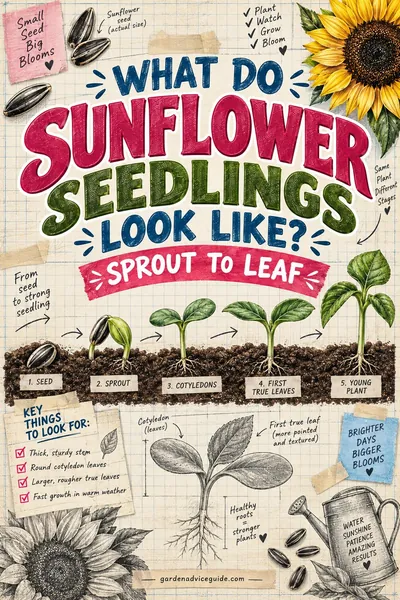
| Sunflower | Big seedling, resents the shallow mix, and rodents dig the jug | Direct sow, see when to plant sunflowers |
| Nasturtium | Tender and hates transplanting | Direct sow at the same time as beans |
| Celosia and amaranth | Want warm soil to germinate, sit dormant in cold | Start indoors or direct sow warm |
| Impatiens, begonia, coleus, vinca | Killed outright by frost at any size | Indoor sowing under lights only |
The rule underneath all of these: if the plant dies at 32 degrees, a jug seedling that germinates in March has nowhere to go until May, so you spent a jug and gained nothing. Save the space for Tier A and hardy annuals.
Reading a Seed Packet for Winter Sowing Clues
You do not need a list for every flower you own. The packet already tells you, if you know which phrases matter.
| Packet phrase | What it means | Winter sow it? |
|---|---|---|
| "Needs cold stratification" or "pre-chill 30 days" | The seed requires moist cold to break dormancy | Yes, and it is the ideal candidate. Sow Dec to Jan |
| "Direct sow in fall" or "sow in early spring as soon as soil can be worked" | Cold-tolerant seedling | Yes, sow Jan to Feb |
| "Self-sows freely" or "naturalizes" | The species already survives winter as loose seed | Yes, sow Dec to Feb |
| "Hardy annual" or "cool-season annual" | Frost-tolerant seedling, dislikes heat | Yes, sow late Jan to Feb |
| "Surface sow, needs light to germinate" | Fine seed, do not bury it | Yes, just do not cover it |
| "Start indoors 6 to 8 weeks before last frost" | Usually a warm-season plant | Probably not, check hardiness first |
| "Sow after all danger of frost has passed" | Frost-tender | No |
| "Soil temperature 70 to 85F for germination" | Warm-soil germinator | No |
| "Do not transplant" or "resents root disturbance" | Taproot or brittle roots | Yes, but transplant in hunks while small |
Two flags overrule everything else. "Hardy to zone 5" on a perennial means the mature plant is hardy, which does not automatically mean the seed germinates in cold; check for a stratification note as well. And any packet older than about three years deserves a germination test before it takes up a jug, which our guide on why seeds are not germinating walks through.
How Many Seeds Go in Each Jug
Sowing density is where most first-year jugs go wrong in one direction or the other. Too thin wastes the container. Too thick gives you a felted mat of hair-thin seedlings that all stay stunted.
| Seed size | Examples | Seeds per gallon jug | Transplant method |
|---|---|---|---|
| Dust-fine | Snapdragon, foxglove, yarrow, bee balm | A pinch scattered evenly | Cut into 1 inch hunks, plant as clumps |
| Small | Coneflower, coreopsis, penstemon, alyssum | 40 to 60 | Hunks, or tease apart if you want singles |
| Medium | Milkweed, larkspur, bachelor buttons, calendula | 20 to 30 | Tease apart, one plant per hole |
| Large | Lupine, sweet pea, hollyhock, nigella | 10 to 15 | Individual plants, handle by the leaf |
The practical target for anything you plan to separate is seeds spaced roughly a fingertip apart on the surface. For anything you plan to move in clumps, denser is fine and even desirable, because alyssum, poppies and larkspur look best planted as a full patch anyway.
One habit worth building: sow one variety per jug. Mixed jugs are appealing in December and miserable in April, when you cannot tell which seedling is which and they germinate three weeks apart. Label the jug with a paint pen, since a marker fades to nothing in UV light by March.
Worked Example: Twelve Flower Jugs in Zone 6
Here is a full season laid out on a real calendar. This is a zone 6 garden with a last frost around May 5, sowing twelve jugs across three sessions.
| Date | Jugs sown | Why then |
|---|---|---|
| Dec 27 | 2 swamp milkweed, 1 butterfly weed, 1 purple coneflower | Solstice sowing gives them the full cold season, about 100 days |
| Jan 10 | 1 lupine (soaked overnight), 1 blazing star, 1 larkspur | Still enough cold left for stratifiers; larkspur wants it too |
| Feb 8 | 2 snapdragon, 1 bachelor buttons, 1 calendula, 1 sweet alyssum | Hardy annuals sown late enough that a January thaw cannot trick them |
And here is what actually shows up.
| Window | What appears |
|---|---|
| Mar 18 to 28 | Larkspur first, then bachelor buttons and calendula. Snapdragon shows as a green fuzz you almost need to squint at |
| Apr 1 to 10 | Coneflower, alyssum. Daytime highs are hitting 60F now, so tops get flipped open on sunny mornings and closed at night |
| Apr 10 to 20 | Milkweed and butterfly weed germinate after roughly 105 days of cold. Blazing star follows |
| Apr 20 | Larkspur, bachelor buttons and calendula go in the ground as hunks. All three take a light frost without flinching |
| Apr 28 | Snapdragons transplanted, two sets of true leaves, about 2 inches tall |
| May 8 to 12 | Milkweed, coneflower, blazing star and lupine planted out after last frost, at 2 to 3 inches tall |
| June | Larkspur, bachelor buttons, calendula and snapdragons in full bloom |
| Aug | Coneflower may show a first flower or two; milkweed puts its energy into roots and waits for year 2 |
Count the labor: about two hours total across three sowing sessions, then roughly fifteen minutes a week of venting during April. No lights, no heat mat, no hardening off seedlings, because plants that have lived outdoors since December are already hardened by definition.
Getting Perennials to Bloom in Year One
Most winter sown perennials spend their first summer building roots and bloom in year two. That is the normal contract, and it is why perennials are cheap from seed and expensive in pots. A few tricks shorten the wait.
Sow the early bloomers. Rudbeckia hirta, coreopsis, gaillardia, and shasta daisy are the four most likely to flower in their first summer. Put them in your December jugs rather than February ones so they germinate as early as possible.
Transplant small, not big. A seedling moved at 2 to 3 inches with two sets of true leaves establishes faster than one held in the jug until it is 5 inches and root-bound. Every week a seedling sits crowded in 3 inches of mix is a week it is not growing.
Give them the best bed you have. Winter sown perennials are behind a nursery plant by a full season, so poor soil, competition from established plants, and light shade all read as another year of delay. Plant them where they get full sun and water for their first summer.
Do not deadhead late in year one. If a perennial does bloom in August of its first year, let one or two heads go to seed. That seed drops right where you want more plants, and it saves you a jug next winter. Our guide on how to save seeds covers collecting it properly if you would rather control where it lands.
Common Problems With Flower Jugs
A jug of nothing in April. Usually it is a stratifier that has not finished, especially penstemon, lupine, or anything sown after mid January. Hold every jug until three or four weeks past your last frost date before you dump it. Late germination is extremely common with native perennials.
A mat of thread-thin seedlings. Too many seeds in the jug. They will not thin themselves. Slice the mat into hunks and plant the hunks, accepting that you get clumps rather than specimens. Sow lighter next year.
Damping off in the jug. Rare outdoors because of the airflow through the open spout, but it happens in shaded, constantly soggy jugs. Move the jugs into sun and vent them on mild days. Our damping off guide covers the fix and the prevention.
Seedlings that stall at an inch tall in May. They have run out of root room and nutrients in a shallow container. That is a transplant signal, not a failure. Get them in the ground.
Fine seed washed into one corner. Heavy rain through the open spout can shift dust-fine seed. Cover the spout with a scrap of window screen held on with a rubber band for jugs of snapdragon, foxglove or yarrow.
FAQ
What are the easiest flowers to winter sow for a beginner?
Bachelor buttons, calendula, and common milkweed. All three have seed big enough to handle, a forgiving sowing window, and germination you can count on without any pretreatment. Sow the milkweed around the new year and the other two in early February, and you will have something to transplant by mid spring.
Can you winter sow flower seeds in February or March?
Yes, but the list narrows. February works for every hardy annual and for perennials that need shorter chilling, like rudbeckia and coreopsis. By March you have lost the window for anything needing 30 or more days of moist cold, so use March jugs for fast hardy annuals and cool-season plants instead. Anything stratification-dependent sown that late will usually wait until the following spring.
Do winter sown flower seeds need to be covered with soil?
It depends on the seed. Snapdragon, foxglove, yarrow, bee balm and columbine all need light to germinate, so press them into the surface and leave them uncovered. Larger seed like lupine, sweet pea, hollyhock and nigella goes in at roughly its own thickness in depth. The packet direction still applies, jug or not.
Will winter sown flowers bloom the first year?
Hardy annuals will, and they will bloom weeks earlier than spring-sown plants of the same variety. Most perennials will not; they build roots the first summer and flower in year two. Black-eyed Susan, coreopsis, gaillardia and shasta daisy are the common exceptions that often manage a first-year bloom from a December sowing.
How many jugs do I need for a flower bed?
Figure one gallon jug per 10 to 15 finished plants for medium and large seed, and one per 20 to 30 plants for anything dust-fine that you will transplant in clumps. A 4 by 8 foot perennial bed planted at 18 inch spacing holds about 14 plants, so two or three jugs cover it with plenty of spares to give away.
Can I winter sow flower seeds I collected from my own garden?
Yes, and it is one of the best uses for saved seed, since you have plenty of it and nothing is lost if a jug fails. Save from open-pollinated plants rather than hybrids if you want the offspring to match the parent. Store the seed dry and cool until sowing day, and label the jug with both the variety and the year collected.
What flowers should I never winter sow?
Anything killed by frost as a seedling: impatiens, begonia, coleus, vinca, celosia, and most tropical bedding plants. Also skip flowers that germinate only in warm soil, like amaranth and portulaca, because a January jug simply never reaches that temperature in time. Those all belong under lights or in a post-frost direct sowing.
Do winter sown seedlings need hardening off before transplanting?
No, and that is the main advantage of the method. They germinated into cold nights, real sun and moving air, so they are acclimated from the start. Transplant on a cloudy day or in the evening, water them in, and skip the usual week or two of shuttling trays in and out.