What to Plant in February: Seeds to Start and Crops to Sow in Every Zone

What you plant in February depends on how many weeks you are from your last spring frost. In zones 3 to 5, February is for starting onions, leeks and slow flowers indoors. In zones 6 and 7, it is the big seed-starting month for peppers, eggplant, broccoli and cabbage, with tomatoes starting late in the month in zone 7. In zones 8 and 9, peas, spinach, potatoes and onions go outside, and in zones 10 and 11, February is spring planting time for tomatoes, beans, squash and corn.
For most of the country, February is when seed starting gets real. If you only plan one gardening weekend this winter, make it this month. Below you will find the weeks-to-frost method that makes every decision simple, a plan for each zone, a worked example, and the mistakes that make February seedlings tall and weak.
Key facts
- Count weeks back from your average last frost to time every seed.
- Peppers start 8 to 10 weeks before last frost; tomatoes 6 to 8.
- Peas and spinach go outside 4 to 6 weeks before last frost.
- Pepper seeds sprout in about a week at 80°F soil, versus up to three.
- Grow lights 2 to 4 inches above seedlings, 14 to 16 hours a day.
The February planting finder below does the counting for you. Type your ZIP code or pick your zone. It lists what to start indoors and what to sow outside this February, with dates worked out from your own last frost, so you can skip straight to the crops that are due now.
Garden Advice Guide · free calculator
February Planting Finder: Your Zone's List and Weeks to Frost
Type your ZIP code or pick your zone. You get what to start indoors and what to sow outside this February, with dates counted from your own last frost.
Need more? Open the free Frost Dates.
 Planting Calendar
 Frost Dates
 Seed Starting Calculator
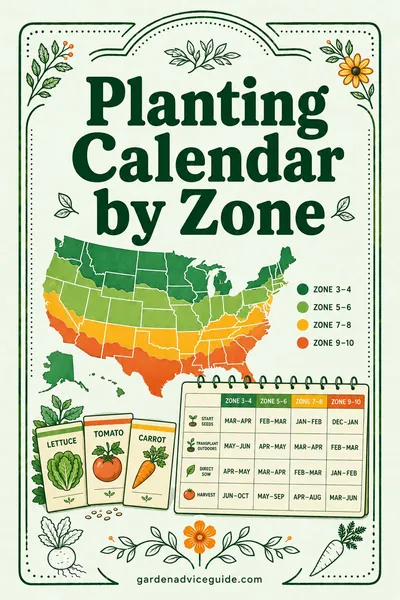
Quick reference: February by zone
| Zone | Typical last frost | February in a nutshell |
|---|---|---|
| 3 to 4 | Mid to late May | Slow flowers indoors; onions late |
| 5 | Around May 7 | Onions, leeks, pansies indoors |
| 6 | Around April 25 | Onions early, peppers and broccoli late |
| 7 | Around April 9 | Peppers, broccoli, then tomatoes |
| 8 | Around March 19 | Peas, potatoes, onions outside |
| 9 | Around February 9 | Tomatoes and peppers go out |
| 10 to 11 | Rare or none | Warm-season planting |
Count back from your frost date
Here is the method that makes February simple. Find your average last frost date on our frost date finder, then count how many weeks away it is. Every seed has a weeks-before-frost number. Twelve to sixteen weeks out is the time for very slow flowers such as geraniums, begonias and lisianthus. Ten to twelve weeks out, start onions, leeks, shallots, celery, pansies and snapdragons. Eight to ten weeks out is pepper, eggplant, broccoli, cabbage and cauliflower time. Six to eight weeks out, start tomatoes, plus lettuce and kale if you want transplants.
Outdoors, peas and spinach can be sown 4 to 6 weeks before the last frost. Two to four weeks before, plant potatoes and onion sets, sow carrots, beets, lettuce and radishes, and set out broccoli and cabbage. After frost, tomatoes go out about a week later, peppers about two weeks later, and beans and squash once the soil reaches 60°F. Keep in mind these dates are averages. In about half of all years, the last frost comes later, which is why it pays to use your own ZIP code rather than a zone guess.
Zones 3, 4 and 5: an indoor month
You are still deep in winter, but your seed-starting season opens now. In zone 3, with a last frost around late May, start geraniums, begonias and lisianthus in early February; onions and leeks go in during the last days of the month or the first week of March. Zone 4 follows the same pattern, with onions, leeks and celery in the last week of February.
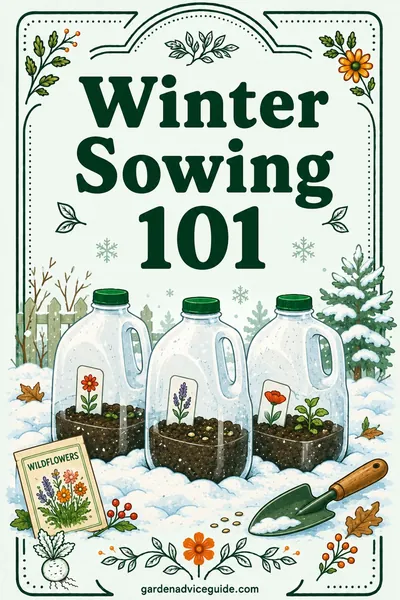
Zone 5, with a frost date around early May, starts onions, leeks, shallots, celery, pansies and snapdragons from about mid-February, and peppers can start at the very end of the month. Onion seedlings look like grass for weeks, and that is normal; trim the tops to about 4 inches if they flop. Outside, February is ideal for winter sowing. Milk jugs of perennials and hardy annuals set out now get all the cold they need to sprout in spring. Our winter sowing calendar lists what to sow each month, and the best flower seeds for winter sowing are a good place to start.
Zone 6: two jobs, one at each end
With a last frost around April 25, zone 6 has two tasks in February. In the first week, finish starting onions, leeks, shallots and celery indoors if you did not get to them in late January. From mid to late February, start peppers, eggplant, broccoli, cabbage and cauliflower indoors. Outside, keep winter sowing, and grow spinach or lettuce in a cold frame if you have one; our guide on how to build a cold frame shows a simple design.
Tomatoes wait until about the first week of March. That gives you a sturdy plant 6 to 8 weeks old just when it is warm enough to go out in May. Starting them in early February in zone 6 is one of the most common mistakes, and it leads to leggy plants that sit in pots too long.
Zone 7: the busiest seed-starting month
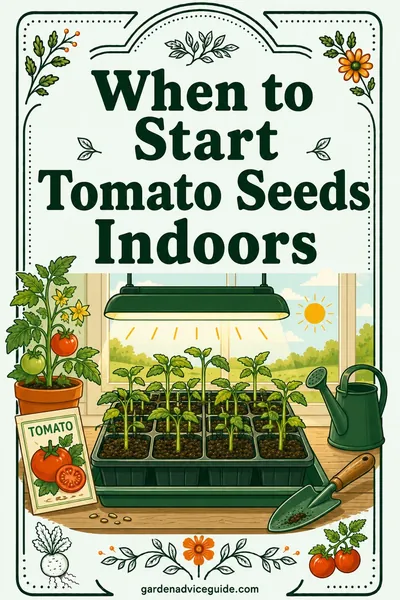
February is when zone 7 gardeners fill the grow-light shelf. In the first half of the month, start peppers, eggplant, broccoli, cabbage, cauliflower and kale indoors. From mid to late February, start tomatoes and lettuce for transplants. Our guide on when to start tomato seeds fine-tunes the timing for your frost date.
In the last week of February, peas and spinach can go outside once the soil crumbles in your hand instead of smearing. Any mild, dry day in February is also good for planting bare-root fruit trees, roses, grapes, blueberries and asparagus crowns, which settle in best while still dormant.
Zone 8: the first outdoor sowings
Your last frost is around mid to late March, so February is when hardy crops go in the ground. In early February, sow peas, spinach, radishes and arugula outside. From mid to late February, plant potatoes, onion transplants, carrots, beets, lettuce and chard, and set out broccoli and cabbage transplants. Our guides on growing peas and when to plant potatoes cover depth and spacing.
Indoors, start tomatoes in the first days of February if they are not already going, and cucumbers and squash late in the month. February is also a good time for asparagus crowns, strawberry plants and bare-root fruit trees in zone 8.
Zone 9: switching seasons
February is when zone 9 changes over. The average last frost is around early to mid February, and warm crops start going out right after it. In early February, get the last lettuce, carrots, beets, radishes and potatoes in so they finish before the heat. From mid-February, plant tomato transplants about a week after your frost date, and pepper and eggplant transplants about two weeks after. Once the soil is 60°F or warmer, sow beans, sweet corn, cucumbers, squash and melons. Keep frost cloth handy for the first half of the month, since a late cold snap is common enough to plan for; our frost cloth guide explains how to use it.
Zones 10 and 11: spring has arrived
For you, February is spring. It is warm, still mostly dry, and the summer heat is a few months away. In zone 10, plant tomatoes, peppers, eggplant, beans, sweet corn, cucumbers, squash, melons and basil, and finish the last lettuce and carrot sowings early in the month. In zone 11, get tomatoes in early so they set fruit before night temperatures climb too high, along with beans, squash and cucumbers. Heat lovers such as okra, southern peas and sweet potatoes wait until March or April, when the soil is truly warm.
Seed starting that works in February light
February windowsills are still dim, and that is the number one reason seedlings stretch and flop. A simple shop light or LED grow light hung 2 to 4 inches above the seedlings and run for 14 to 16 hours a day gives short, sturdy plants. Raise it as they grow. A heat mat speeds up slow sprouters: peppers in soil around 80°F come up in about a week instead of up to three. Take trays off the mat once most seeds have sprouted.
Use a fine, sterile seed-starting mix, not garden soil, and water from below to keep the surface from staying soggy. A small fan on low helps stems grow stronger and keeps damping off away. Our seed starting calculator gives exact start dates for each crop from your ZIP code, and when the seedlings are ready, our hardening off plan gets them used to the outdoors without scorching.
Worked example: zone 6, last frost April 25
Here is how February might look for a zone 6 gardener with an April 25 frost date. From February 1 to 7, sow onions and leeks in a tray if they are not in yet; thin, grass-like sprouts appear in about 10 days. From February 14 to 28, which is 10 to 8 weeks before frost, peppers and eggplant go on a heat mat, and broccoli and cabbage are sown the same week. All month, a few milk jugs of coneflowers and poppies sit outside for winter sowing. From February 28 to March 14, tomatoes are started, 8 to 6 weeks before frost.
That is perhaps three hours of real work across the month, and it sets up the whole season. If your frost date is two weeks earlier or later, shift every step by the same two weeks.
February mistakes to avoid
The first is sowing every packet on the same Saturday. Peppers want 8 to 10 weeks indoors, tomatoes 6 to 8, and squash only 3 to 4. Stagger them, or the fast growers outgrow their pots long before it is warm enough to plant them out. The second is planting peas in soggy soil. Peas sprout in cool soil around 40°F, but they rot in cold mud, so wait for soil that crumbles.
The third is trusting a warm week. A 70°F February afternoon is lovely, but frost can still return, so go by your frost date and the forecast, not one sunny day. The last is skimping on light, covered above. Coming from last month? Our January planting guide covers the earliest starts, and the monthly planting calendar gives a dated list for any month from your ZIP code.
Quick answers about February planting
What seeds should I start in February?
It depends on your frost date. Zones 3 to 5 start onions, leeks and slow flowers. Zones 6 and 7 start peppers, eggplant, broccoli and cabbage, and zone 7 adds tomatoes from mid-February. Zone 8 starts tomatoes in the first days of the month if they are not already going.
What vegetables can I plant outside in February?
In zone 7, peas and spinach at the end of the month. In zone 8, peas, spinach and radishes early, then potatoes, onions, carrots, beets, lettuce and broccoli transplants. In zone 9, tomatoes and peppers after your frost date. In zones 10 and 11, beans, squash, corn and melons.
Is February too early to start tomato seeds?
For zones 7 and 8 it is right on time. Start tomatoes 6 to 8 weeks before your last frost: early February in zone 8 and mid to late February in zone 7. Zone 6 waits until early March, and colder zones wait longer.
What cool-season crops can I plant in February?
Peas, spinach, radishes, arugula, potatoes, onions, carrots, beets, lettuce, kale, broccoli and cabbage. They go outside 2 to 6 weeks before your last frost, which falls in February mostly for zones 7 to 9. Colder zones start some of them indoors instead.
Can I plant potatoes in February?
In zones 8 and 9, yes. Plant seed potatoes 2 to 4 weeks before your last frost, which is mid to late February in zone 8 and early February in zone 9. Colder zones wait until March, April or even May.
When should I start pepper seeds?
Start peppers indoors 8 to 10 weeks before your last frost. That is the first half of February in zone 7 and the second half in zone 6. A heat mat that keeps the soil near 80°F helps them sprout much faster.
Do I need a grow light for February seedlings?
In most homes, yes. February daylight is short and weak, and seedlings on a windowsill usually stretch. A simple LED or shop light 2 to 4 inches above the plants for 14 to 16 hours a day gives much sturdier seedlings.