Neem Oil for Plants: How to Mix It, How to Use It on Houseplants and What It Treats

Neem oil is a plant-based spray that helps control soft-bodied pests such as spider mites, mealybugs, aphids and whiteflies, and it can slow powdery mildew if you catch it early. To use it, mix the concentrate exactly as your product label says, test it on a few leaves and wait a day or two, then spray every leaf surface, top and bottom, about once a week until the pests are gone.
Neem is gentle compared with many sprays, but gentle is not the same as harmless. It can burn leaves in sun or heat, some plants react to it, and wet spray can harm bees and other helpful insects that touch it. Used with care, though, it is a handy tool for houseplants and gardens. Below I cover mixing, the spot test, how to spray, when not to, and how to protect pollinators, pets and food crops.
Key facts
- The product label is the rule for mixing, timing and safety; follow it every time.
- Test a few leaves and wait 24 to 48 hours before spraying the whole plant.
- Do not spray in direct sun, above about 90°F, or on stressed, thirsty plants.
- Outdoors, spray in the evening and never on open flowers where bees forage.
- Repeat about every 5 to 7 days; neem works over days, not minutes.
The neem mix checker below gives you a starting plan. Choose your sprayer size, a 1 quart spray bottle, a 1/2 gallon sprayer or a 1 gallon sprayer, then choose the problem: spider mites, mealybugs or scale, aphids, whiteflies or fungus gnats, or powdery mildew. You get a label-first mixing reference, a spray schedule and a reminder to spot-test. It is a guide to check against your label, not a replacement for it.
Garden Advice Guide · free calculator
Neem Mix Checker: Label-First Mixing and Spray Plan
Pick your sprayer size and the pest. You get a label-first mixing reference, a spray schedule and a spot-test reminder.
Need more? Open the free Frost Dates.
 Planting Zones
 Frost Dates
 Planting Calendar
Quick reference: what neem helps with
| Problem | How well neem helps | Do this too |
|---|---|---|
| Spider mites | Good, with repeat sprays | Rinse first; soak leaf undersides |
| Mealybugs | Good | Wipe clusters off with a damp swab |
| Aphids | Good | Knock most off with water first |
| Whiteflies | Fair to good | Spray leaf undersides |
| Scale | Fair, best on young scale | Scrape off adults |
| Fungus gnats | Fair | Let soil dry between waterings |
| Powdery mildew | Fair, early or as prevention | Improve air flow |
What neem oil is and how it works
Neem oil is pressed from the seeds of the neem tree. Garden products usually contain either cold-pressed neem oil or clarified hydrophobic neem oil, a refined version made for spraying plants. They work in a few ways at once. The oil coats and smothers soft-bodied insects and their eggs. Some compounds in neem also discourage insects from feeding and interfere with how young insects grow.
That is why neem is not instant. You will not see pests drop the moment you spray. It works over days, and because eggs keep hatching after the first round, it needs repeat sprays to break the cycle. It only affects what it touches, too, so pests on a leaf you missed carry on as before.
Read the label before anything else
Neem products vary a lot in strength, and the label on your bottle is both the legal guide and the safe one. It tells you how much to mix, which plants it is approved for, whether it can be used on food crops and how long to wait before harvest, and what protective steps to take.
As a rough reference only, many concentrate labels land somewhere around 3/4 to 1 1/2 teaspoons per quart of water, about 1/2 to 1 tablespoon per half gallon, or about 1 to 2 tablespoons per gallon. If your label says something different, go with the label. More is not better; a stronger mix raises the risk of leaf burn without killing more pests. If you only have a few houseplants, a ready-to-use spray that comes pre-mixed is the simplest and safest choice.
Mixing a fresh batch
Start with warm water in a clean sprayer, since warm water helps the oil spread. Oil and water do not mix on their own, so most concentrates need a small amount of mild liquid soap as a blender; add it only if your label calls for it, and use the amount it gives. Add the neem, close the sprayer and shake well.
Mix only what you will use that day. Mixed neem breaks down within hours, so yesterday's batch is weaker and less reliable. Shake the sprayer often while you work so the oil does not float to the top. Never mix neem with other sprays, cleaners or fertilizers in the same bottle unless the label says it is safe, and rinse the sprayer well when you finish.
The spot test: 24 to 48 hours
This step takes a minute and can save a plant. Spray two or three leaves on one side of the plant, then wait 24 to 48 hours. Look for brown spots, pale or bleached patches, yellowing, curling or a greasy, scorched look. If you see any of that, do not use neem on that plant.
Test every new kind of plant, and test again if you switch products, since strength and ingredients differ. Fuzzy-leaved plants such as African violets, and some ferns and delicate seedlings, are among the more likely to react. A plant that tested fine in winter can still burn if you later spray it in summer heat, so the timing rules below still apply.
Spraying a houseplant, start to finish
Move the plant away from its neighbors so pests do not spread. Rinse it first in the shower or sink with lukewarm water to knock off as many pests as you can; that alone removes a lot of aphids and mites. Let the leaves drip-dry a little.
Spray everything: the tops and bottoms of leaves, the stems, and the joints where leaves meet the stem, until the surface is wet and just starting to drip. Most pests hide on leaf undersides, so tilt the pot or turn leaves over. Spray in a bathroom, a garage or outdoors on a mild, shady day, because neem has a strong garlicky, nutty smell. Keep the plant out of direct sun until it is completely dry, then put it back in its usual spot.
Timing: heat, sun and time of day
Neem on leaves acts a bit like a magnifying film. In direct sun, or when temperatures climb above about 90°F, it can scorch foliage. Indoors, the fix is easy: spray in the evening, or move the plant away from a sunny window for the day. Outdoors, spray in the evening or early morning on a calm day, and skip spraying during a heat wave.
Do not spray a thirsty or stressed plant. Water it well first and spray the next day. Freshly repotted plants, plants that just moved to a new room and plants already dropping leaves are all better left alone for a week or two. Also skip spraying when rain is due within a few hours outdoors, since it washes the spray off before it can work.
Protecting bees and other helpers outdoors
Neem is often called bee-friendly, but that only holds when it is used carefully. Wet spray can harm bees, butterflies, ladybugs and other helpful insects that it lands on. Once it dries, the risk drops a lot.
So outdoors, spray in the evening after pollinators have finished for the day, and never spray open flowers where bees are foraging. If the plant is in bloom, spray only the leaves and stems you need to and avoid the flowers, or wait until blooming is over if the problem allows. Spray only plants that actually have pests, rather than the whole garden. Keep spray away from ponds and streams; many neem labels warn that it can harm fish and other water life. Our guide on how to attract pollinators has more on keeping your yard friendly to them.
How often to repeat, pest by pest
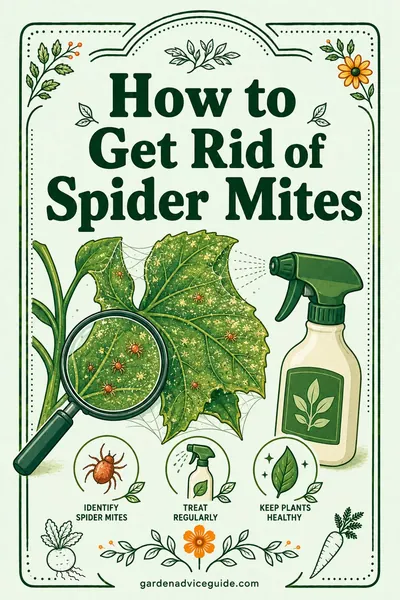
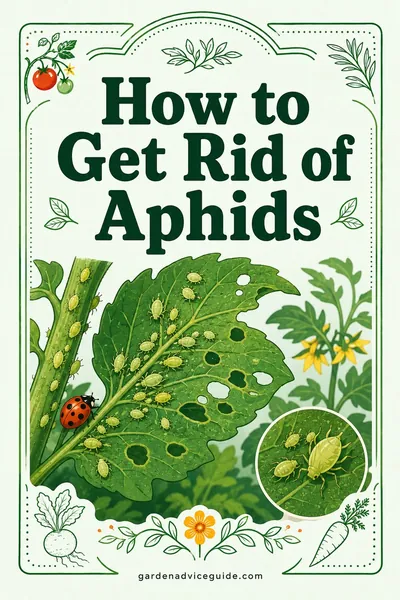
For spider mites, spray about every 5 to 7 days for at least three weeks, because mite eggs keep hatching. Our spider mites guide pairs neem with regular rinsing. For mealybugs, wipe visible clusters off with a damp cotton swab first, then spray weekly. For aphids, a strong spray of water often does most of the work; see how to get rid of aphids.
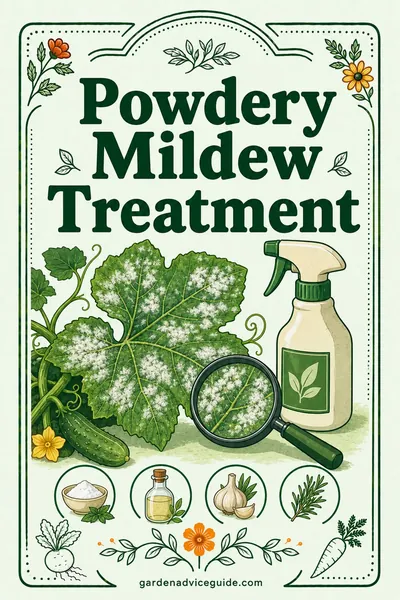
For scale, neem works best on young, crawling scale; scrape off the hard adults with a fingernail or soft brush, then spray. For powdery mildew, spray about every 7 to 14 days as prevention or at the first white spots, and improve air flow; our powdery mildew treatment guide covers other options. Whatever the label says about frequency wins over these ranges.
Food plants, pets and children
Use neem on vegetables, herbs or fruit only if your label lists food crops, and follow any waiting time it gives between spraying and harvest. Rinse produce well before eating. If you are planning sprays around a harvest, our when to harvest tool helps you see when a crop will be ready.
Follow the label's safety directions for people and pets. Keep children and pets away from sprayed plants until the leaves are dry, and do not let pets lick or chew wet leaves. Store the bottle up high, in its original container. If your pet gets into the product or seems unwell, call your vet or the ASPCA Animal Poison Control Center. Wash your hands after spraying. If you are choosing new plants for a home with a cat, our list of houseplants safe for cats is a good place to start.
What neem cannot do
Neem is a helper, not a cure-all. It does nothing for roots rotting in wet soil, and it will not fix a plant struggling from low light. For fungus gnats, the bigger fix is letting the top inch or two of soil dry out between waterings, since the larvae live in damp soil; our watering guide explains how to tell when to water. Neem also does little against large chewing pests once they are big.
Houseplant pests often flare up in winter, because heated air is dry and short days stress plants. Checking leaf undersides each time you water, wiping dusty leaves and catching problems early mean one or two rounds of neem go a long way. If your plants are also stretching or dropping leaves, our grow lights for houseplants guide may help. For a wider low-spray approach, see our organic gardening tips, and find more tools on the Garden Advice Guide home page.
Quick answers about neem oil
How do you use neem oil on houseplants?
Mix it as the label says, rinse the plant, and spot-test a few leaves for 24 to 48 hours. If they look fine, spray all leaf surfaces, tops and bottoms, plus stems, until they just drip. Keep the plant out of direct sun until dry and repeat about every 5 to 7 days for a few weeks.
What is the neem oil to water ratio?
Always follow your product's label, because strengths differ. As a rough reference, many concentrate labels call for about 1 to 2 tablespoons per gallon of water, or about 3/4 to 1 1/2 teaspoons per quart, with a little mild liquid soap if the label asks for it. Mix fresh each time.
Does neem oil kill spider mites?
It helps control them, especially with repeat sprays every 5 to 7 days for at least three weeks. Rinse the plant first and soak the undersides of the leaves, where mites live and lay eggs. Raising humidity a little and checking plants often also help keep mites from coming back.
Can neem oil burn plants?
Yes. It can scorch leaves when sprayed in direct sun, in heat above about 90°F, on a thirsty or stressed plant, or when mixed stronger than the label says. Some plants are simply sensitive. Spot-test first, spray in the evening or out of the sun, and water dry plants the day before.
Is neem oil safe for bees?
Only when used with care. Wet spray can harm bees and other helpful insects it touches. Spray in the evening after pollinators finish for the day, never spray open flowers where bees are foraging, and treat only plants that actually have pests. Once dry, the risk to bees is much lower.
Is neem oil safe for pets?
Follow the label's safety directions, and keep pets away from sprayed plants until the leaves are dry. Do not let them lick or chew wet foliage, and store the bottle out of reach. If your pet gets into the product or seems unwell, call your vet or the ASPCA Animal Poison Control Center.
How often should I spray neem oil?
For pests, about every 5 to 7 days for a few weeks, until you see no new ones. To help prevent powdery mildew, about every 7 to 14 days. Your label may give a different interval, and when it does, follow the label.