Pallet of Sod: Coverage, Weight and Cost Factors

One pallet of sod covers 400 to 500 square feet, and 450 is the most common size in the United States. It weighs well over a ton once the soil is attached, usually somewhere between one and a half and two tons depending on how wet the harvest was. Nobody can quote you a number over the phone without knowing your grass type, your square footage, your access, and who is doing the installing.
That last part is the whole reason people get surprised by a sod quote. The pallet itself is one line on a bill that usually has five or six lines, and the other lines are where the money moves.
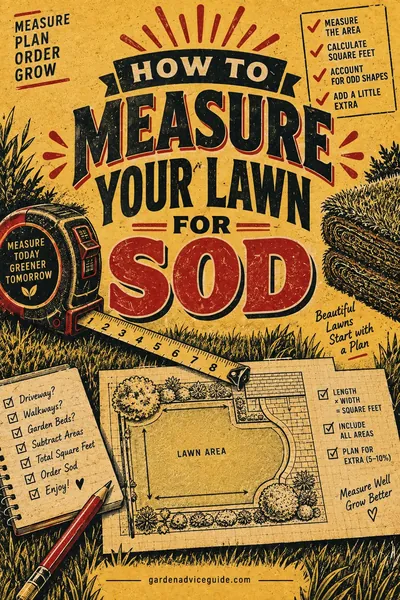
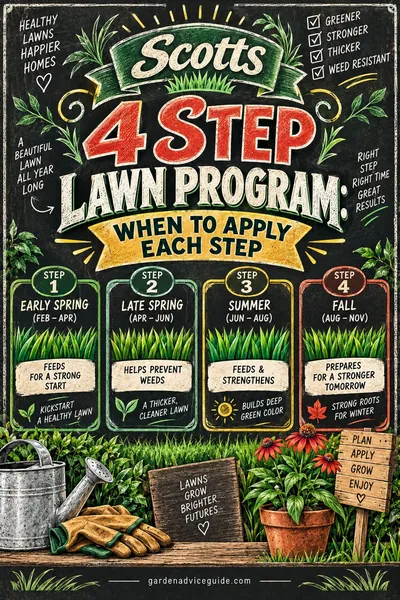
Get your square footage right first. Our free lawn care schedule tool sets up the feeding and mowing dates for your grass type once the sod is down, and our guide on how to measure your lawn for sod walks through the measuring math.
Updated September 2026
What a Pallet of Sod Covers and Weighs
A pallet of sod is a shipping unit, not a standard. Growers stack whatever cut size their harvester produces onto a pallet until it hits the weight their forklift and their delivery truck can handle. That means coverage varies by grower, by region, and by grass type.
| Unit | Typical coverage | Notes |
|---|---|---|
| Small roll or slab | 5 to 10 sq ft | Often 16 in x 45 in, or 2 ft x 5 ft |
| Standard pallet | 400 to 500 sq ft | 450 is the most common, always confirm |
| Big roll (contractor) | 100 to 700 sq ft | Needs a machine to install |
Do the division and you can see why pallet counts differ. A 450 square foot pallet built from 5 square foot rolls holds about 90 pieces. The same pallet built from 10 square foot rolls holds about 45. Same coverage, very different handling.
Weight is the number that catches people out. Sod is cut with about half an inch to an inch of soil still attached, and soil is heavy before you add water to it. A freshly harvested pallet that got irrigated the night before can weigh noticeably more than the same pallet cut off a dry field. Plan for a delivery that lands well over a ton, every time.
Three practical consequences of that weight:
- The truck needs a place to set it down. A forklift on the back of a delivery truck needs a firm, flat surface. Soft turf after rain, a steep driveway, or a narrow side gate all turn into a problem on delivery day.
- Your driveway takes the load. Ask the driver to set pallets on the driveway apron or the street rather than in the middle of a new concrete pour or over a septic lid.
- You cannot move it by hand. You can move the pieces one at a time with a wheelbarrow. You cannot move the pallet.
A pallet does not keep. Stacked sod heats up in the middle of the stack, and in summer it starts yellowing within about 24 hours of harvest. Order for the day you are installing, not the day before.
The Coverage Math, Step by Step
Here is the ordering sequence that keeps you from buying a spare pallet or coming up 60 square feet short on the last strip.
- Measure the lawn area in square feet. Break the yard into rectangles, triangles and trapezoids, add the pieces, and subtract driveways, beds and the house footprint.
- Add a waste factor of 5 to 10 percent. Use 5 percent on a simple rectangle and 10 percent on a yard with curves, tree rings and lots of cut edges.
- Call your supplier and ask what one pallet covers, in square feet. This is the step people skip. A 450 and a 500 mean a full pallet of difference on a large job.
- Divide your adjusted total by that coverage number. Round up, then decide whether to take the partial pallet or buy loose rolls.
- Convert to square yards if the quote is in yards. Divide square feet by 9.
Worked example. Say you measured a 1,400 square foot back lawn with a fair number of curved bed edges.
- Waste factor at 10 percent: 1,400 x 1.10 = 1,540 square feet to order
- At 450 sq ft per pallet: 1,540 divided by 450 = 3.4 pallets
- Three pallets covers 1,350 sq ft, which leaves you about 190 sq ft short
- Square yards, if your supplier quotes that way: 1,540 divided by 9 = 171 square yards
At 3.4 pallets you have a real decision. Four pallets means about 260 square feet of leftover sod that must go down the same day or go in the compost. Three pallets plus loose rolls means one extra stop and possibly a different harvest date, which can mean a slightly different color. Most people take the fourth pallet and use the extra to patch the strip along the fence.
What Actually Drives a Sod Quote
The pallet is one line. These are the others, and every one of them can change the total more than the grass does.
| Line item | What moves it | What to ask |
|---|---|---|
| Material (the sod) | Grass type, farm distance, harvest season | What variety, what cut size, what pallet coverage |
| Delivery | Distance from the farm, number of pallets, truck access | Is delivery per trip or per pallet |
| Site prep | Removing old turf, grading, rock and root removal | Is old turf removal included, and who hauls it away |
| Soil amendment | Whether topsoil or compost is added before laying | How many inches, what material, tilled or spread |
| Installation labor | Square footage, slope, cut complexity, access | Is it hand laid, is trimming included |
| Rolling and starter feed | Whether a roller pass and a starter fertilizer are in scope | Included or extra |
| Haul away and cleanup | Old sod, pallets, scrap | Are empty pallets picked up |
Grass type is the first real driver. Warm season grasses like zoysia and St. Augustine are grown, harvested and shipped differently from cool season blends, and some varieties are patented so only licensed farms grow them. Ask which variety, not just which species.
Distance from the farm is the second. Sod is a perishable product with a very heavy shipping weight, so a farm three hours away costs more to get to your yard than one down the road, and the sod arrives in worse shape.
Site prep is where quotes diverge the most. One bid may assume your yard is bare, graded soil ready to receive sod. Another may include killing and stripping the old lawn, grading, and adding a layer of screened topsoil. Those are not the same job, and the number on the bottom of the page reflects that.
Access decides the labor line. A front yard the truck can back up to is a different job from a fenced back yard where every piece goes through a 36 inch gate in a wheelbarrow. Say so up front, because a contractor who finds out on install day will price the change on the spot.
Season matters. Sod farms are busiest in spring and early fall. Harvest supply, delivery scheduling and installer availability all tighten in those windows.
How to Compare Two Sod Bids Apples to Apples
Two quotes almost never describe the same job. Normalize them before you compare.
Step 1: Convert both to the same unit. If one is per square foot and one is per square yard, divide the yard number by 9 or multiply the foot number by 9 so you are looking at the same thing. Do the same with pallets.
Step 2: List what each one includes, line by line. Write the seven line items from the table above down the left side of a sheet and check off which bid covers which. The bid that looks higher very often includes two things the other one leaves out.
Step 3: Check the square footage each bid used. If one contractor measured 2,100 square feet and the other measured 2,600, one of them is wrong, and you want to know which before you sign anything. Measure it yourself and use your number as the referee.
Step 4: Ask about the waste factor. Some bids include it, some quote bare coverage and bill for the extra pallet later.
Step 5: Confirm the variety and the pallet coverage in writing. "Fescue blend" is not a variety. "450 square foot pallets" is a number you can hold someone to.
Step 6: Look for the warranty language. Some installers guarantee establishment if you follow their watering instructions. Some guarantee nothing once the truck leaves. That difference is worth more than a small gap between two bids.
What Belongs in a Written Scope of Work
If you are hiring out the install, put these in writing before anyone starts. This is the single best protection you have, and it costs nothing.
- Total square footage and how it was measured
- Grass species and named variety, plus the farm if the installer will commit to one
- Pallet coverage in square feet and the number of pallets in the order
- Old turf: killed, stripped, or sodded over, and who hauls the debris
- Grading: what areas get graded, to what fall away from the house, and whether low spots get filled
- Soil amendment: material, depth in inches, and whether it gets tilled in or spread on top
- Installation method: hand laid, staggered seams, edges trimmed to beds
- Rolling: a pass with a water-filled roller after laying, yes or no
- Starter fertilizer: applied or not, and what analysis
- First watering: does the crew soak it before they leave
- Delivery and staging: where pallets get set, and who removes the empties
- Timeline: delivery date, install date, and what happens if the sod arrives and rain delays the crew
- Warranty: what is covered, for how long, and what the homeowner has to do to keep it valid
The soil amendment line is the one worth arguing about. Sod laid on compacted construction fill will knit and then struggle for years. Two to three inches of screened topsoil or compost worked into the top few inches gives the roots somewhere to go, and it is far cheaper to do before the sod arrives than to fix afterward.
Timing Your Delivery So the Pallet Does Not Cook
Sod is a live crop with a short shelf life, so the calendar around delivery day matters as much as the order itself.
| Condition at delivery | Safe holding time on the pallet | What to do |
|---|---|---|
| Cool and cloudy, under 70°F | About 36 to 48 hours | Still install the same day if you can |
| Mild, 70 to 85°F | About 24 hours | Install the day it arrives |
| Hot, above 85°F | Under 24 hours, often much less | Install within hours, keep pallets in shade |
| Freshly irrigated, stacked wet | Shortest of all | Unload and lay immediately |
Take delivery in the morning. You want the full day to lay it. A pallet that lands at 4 p.m. on a July afternoon sits overnight and heats in the middle of the stack.
Have the ground ready before the truck comes. Graded, raked, lightly moistened, and clear. Sod should go from pallet to soil in one motion.
Line up water before you line up sod. New sod needs a genuine soak the day it goes down, and a taper after that. Our new sod watering schedule has the week by week plan, and our guide on when to mow new grass covers the first cut.
Cool Season Versus Warm Season Ordering
The grass type on the pallet changes when you should be ordering at all.
Cool season grasses (tall fescue, Kentucky bluegrass, perennial ryegrass) establish best in early fall, with spring a solid second choice. Summer installs are possible but you are signing up for heavy watering. Our guide on when to plant tall fescue has the soil temperature windows.
Warm season grasses (bermuda, zoysia, St. Augustine, centipede) want warm soil and go down best from late spring through midsummer, when the grass is actively growing and roots peg down fast. Late fall installs in a transition zone can sit dormant all winter and fail at the seams. See when to plant bermuda grass for the temperature triggers.
Shade matters more than the tag suggests. Sodding heavy shade with a full sun grass is the most expensive mistake on this list, because it looks fine for a season and then thins out. Match the grass to the light before you match it to the budget.
Frequently Asked Questions
How many square feet does a pallet of sod cover?
Most pallets cover 400 to 500 square feet, and 450 is the most common. It varies by grower, by grass type and by region, so ask your supplier for the exact number in square feet before you divide your total. A 50 square foot difference per pallet adds up fast on a big yard.
How much does a pallet of sod weigh?
Well over a ton, and commonly between one and a half and two tons. The variation comes from soil moisture and how thick the harvester cut the soil layer. That weight is why delivery needs a firm, flat spot with forklift access, and why you cannot move a pallet without equipment.
How many rolls are in a pallet of sod?
It depends entirely on the cut size. Small rolls and slabs usually cover 5 to 10 square feet each, so a 450 square foot pallet holds roughly 45 to 90 pieces. Ask for the piece size along with the pallet coverage, because it changes how heavy each piece is to lift.
Is it cheaper to lay sod yourself?
Doing the install yourself removes the labor line from the quote, but it moves the risk onto you. You still need grading, soil prep, delivery access, a roller, and enough hands to get a full pallet down in one day. Sod that sits on the pallet or goes onto unprepared soil fails, and replacing it removes any savings.
How much extra sod should I order?
Add 5 to 10 percent to your measured square footage. Use 5 percent for a plain rectangle with straight edges and 10 percent for curved bed lines, tree rings, and odd corners, since every cut piece leaves a scrap. Running short by 40 square feet on the last strip means a second delivery for very little sod.
Can I sod over an existing lawn?
You can, and installers sometimes do it, but the results are worse. The old thatch layer stays wet, seams knit slowly, and the new roots have to punch through dead grass to reach real soil. Stripping the old turf or killing it and scalping it low gives you far better contact.
What is the difference between a pallet and a big roll?
Small rolls and slabs come stacked on a pallet and get laid by hand. Big rolls cover 100 to 700 square feet each, come off the truck on a spindle, and need a machine to install. Big rolls have fewer seams and go down faster on large open areas, but they are not practical for a typical residential yard.
How long does sod take to root?
Sod usually knits to the soil within about 14 days if the watering is right, and roots deeply over the following four to six weeks. Give it a gentle tug at two weeks: if a corner lifts easily, it has not knitted and needs more consistent moisture at the 3 to 4 inch depth.
What should I do the day the pallets arrive?
Have the soil graded, raked, and lightly moist before the truck shows up. Start laying immediately, work in a staggered brick pattern with tight seams, roll it, then soak it deeply the same day. Then move straight onto a real care plan with our lawn care schedule so the feeding and mowing dates are set.