Strawberry Companion Plants: Good Neighbors and Plants to Keep Away

The best strawberry companion plants are borage, thyme, bush beans, lettuce, spinach and the onion family (onions, garlic and chives). They stay low or narrow, so they do not shade the berries, and several of them bring in pollinators. The plants to keep away are the nightshades (tomatoes, peppers, potatoes and eggplant), which can carry a soil disease that also attacks strawberries, and big cabbage-family crops that compete for space. Mint is best kept in its own pot.
Companion planting for strawberries is mostly about practical things: keeping disease out of the soil, keeping the bed sunny, filling bare ground so weeds have less room, and inviting bees. Some old claims about scents repelling pests are harder to prove, and I will be honest about which is which. Pick partners for the reasons that hold up, and you will have a tidier, healthier bed.
Key facts
- Good partners: borage, thyme, bush beans, lettuce, spinach, onions.
- Avoid tomatoes, peppers, potatoes and eggplant nearby.
- Do not plant berries where nightshades grew in recent years.
- Keep mint in a pot so it cannot take over.
- Strawberries need 6 to 8 hours of sun, so keep partners low.
Not sure about a plant you already grow? Use the checker below. Choose the plant from the list (borage, thyme, bush beans, lettuce or spinach, onions, garlic or chives, broccoli, cabbage or kale, tomatoes, peppers or potatoes, or mint), then choose how your strawberries are planted: in a garden bed, a raised bed, or a pot or tower. You get a good, neutral or avoid answer for that pairing.
Garden Advice Guide · free calculator
Companion Checker: A Good, Neutral or Avoid Answer
Pick a plant you already grow and how your strawberries are planted. You get a good, neutral or avoid answer.
Need more? Open the free Frost Dates.
 Planting Zones
 Frost Dates
 Planting Calendar
Quick reference: neighbors at a glance
| Plant | Verdict | Main reason |
|---|---|---|
| Borage | Good | Draws bees |
| Thyme | Good | Low ground cover |
| Bush beans | Good | Short, light feeder |
| Lettuce, spinach | Good | Fills gaps early |
| Onions, garlic, chives | Good | Narrow, little shade |
| Marigolds, alyssum | Good | Helpful insects |
| Tomatoes, peppers, potatoes | Avoid | Verticillium wilt |
| Cabbage family | Avoid | Crowding |
| Mint, fennel | Avoid | Spreads or slows neighbors |
Why tomatoes and potatoes are the real problem
Of everything on this page, this is the advice with the firmest footing. Tomatoes, peppers, potatoes and eggplant can all host verticillium wilt, a fungus that lives in the soil and attacks strawberries too. Infected strawberry plants wilt, the outer leaves turn brown and dry at the edges, and plants may collapse just as they start to fruit. There is no cure once a plant has it.
The fungus can persist in soil for years. So the rule is about place as much as neighbors: do not plant strawberries where nightshades grew in the last few years, and do not plant nightshades right next to your berry bed. Many gardeners leave three to four years between the two in the same spot. A simple crop rotation plan makes this easy to track. Raspberries and blackberries are also often listed as hosts, so give them their own corner too.
Borage, the classic partner
Borage is the plant most gardeners name first. Its starry blue flowers bloom for weeks and are very popular with bees, and better pollination helps strawberries form full, even berries rather than small, lumpy ones. It is an annual that grows quickly from seed sown after frost, and it usually reseeds itself.
The one thing to watch is size. Borage can reach 2 to 3 feet and flops over as it ages. Plant it at the ends or the north edge of the bed rather than in the middle, so it does not shade your berries. Pull extra seedlings in spring if it self-sows too freely. Our guide on attracting pollinators has more ideas for keeping bees around all season.
Low herbs and the onion family
Creeping or common thyme makes a neat, low edge. It fills gaps, shades the soil a little, and its tiny flowers feed small bees and helpful insects. Thyme is a perennial in most zones and likes the same sunny, well-drained spot that strawberries do. Chives, onions and garlic are narrow, upright plants that take very little space or light. Traditional advice says their strong scent confuses some pests. That is not well proven, but they are good neighbors simply because they stay out of the way. Plant them in a row along the bed edge or tuck single plants between berry plants.
If you grow herbs in containers, our guide to growing herbs in pots explains which ones are easy to keep alongside a strawberry pot on a patio.
Lettuce, spinach and bush beans in the gaps
A new strawberry bed has a lot of bare ground in its first spring. Lettuce and spinach have shallow roots and grow fast, so you can sow them between young berry plants and harvest them before the strawberries fill in. They also shade the soil and hold moisture. Bush beans stay short and do not climb, and as legumes they are light feeders that will not compete hard for nitrogen. Pole beans are a different story, since they grow tall and shade the bed, so skip them here.
Cabbage family, mint and fennel
Broccoli, cabbage and kale are big, hungry plants with wide leaves. They crowd strawberries, shade them and compete for food and water. Grow them in a separate bed. Mint spreads by underground runners and will push into a strawberry bed within a season, so keep it in a pot. Fennel is often kept away from most vegetables because many gardeners find it slows its neighbors, and it gets tall. Give it its own spot.
A sample bed plan
Here is a worked example for a 4 by 8 foot raised bed. Plant strawberries in three rows about 12 to 15 inches apart, which fits roughly 21 to 24 plants. Run a row of chives or garlic down one long edge and a few creeping thyme plants along the other. Put one or two borage plants at the north end so their height does not shade anything. In the first spring, sow a little lettuce or spinach in the open spaces between young berry plants, and harvest it by early summer as the strawberries spread. Our plant spacing calculator works out counts for other bed sizes, and the raised bed soil calculator tells you how much mix to buy.
Before you plant, test the soil. Strawberries like slightly acidic soil, about pH 5.5 to 6.8. Our guide on how to test garden soil explains your choices. Mulch between plants with straw to keep berries clean and weeds down.
Your strawberry type changes the plan
The kind of strawberry you grow affects how much room companions get. June-bearing strawberries give one big crop over about three weeks in late spring or early summer, then send out lots of runners that fill the bed by fall. Plan companions for the edges, because the middle will be packed with new plants by the second year. Everbearing types give a crop in early summer and another in late summer, and they make fewer runners, so there is more steady space for low herbs between them. Day-neutral types fruit on and off from early summer until frost and make very few runners, which makes them the easiest to pair with lettuce, chives or thyme in a mixed bed. Whatever you grow, keep the crowns clear so air can move and the berries dry quickly after rain, which helps prevent gray mold. To see when each type usually ripens in your zone, check when to harvest strawberries.
Timing it all from your frost dates
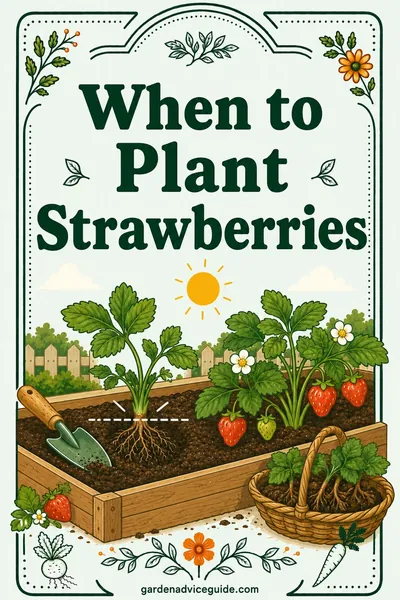
In most zones, plant strawberries in early spring, as soon as the soil can be worked, often 3 to 4 weeks before your last frost. In zones 7 to 9, fall planting also works well. Look up your average dates with the frost dates finder, and see when to plant strawberries for the window in your area.
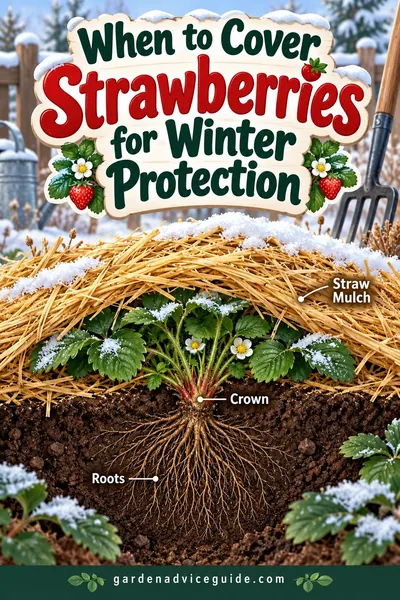
Companions follow their own clocks. Lettuce, spinach and onion sets can go in at the same time as strawberries, since they handle light frost. Bush beans and borage wait until after your last frost, when the soil has warmed. Thyme transplants can go in around your last frost date. If your bed is already planted, cover it with straw in late fall once the plants go dormant; when to cover strawberries gives the timing by zone.
Pots, towers and hanging baskets
In a strawberry pot or tower, space is tight and roots share the same small volume of soil. I would keep companions to one small herb, such as a single thyme plant in the top opening, or skip them entirely. Do not add borage to a pot; it gets far too big. In a container, the biggest wins are steady watering and full sun rather than neighbors. Our container gardening guide covers pot sizes and soil.
Does companion planting really work?
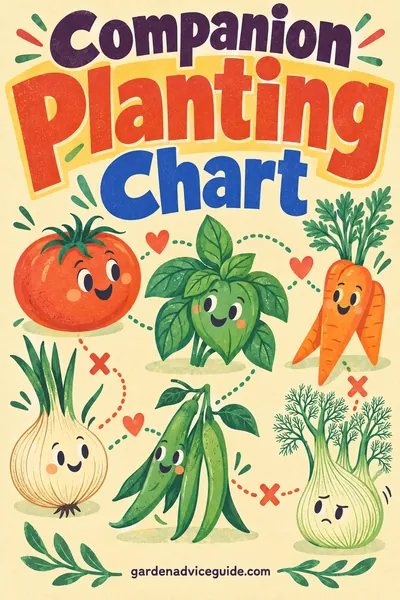
Some of it does, and some of it is tradition passed along for generations. The reliable benefits are practical: keeping disease hosts apart, covering bare soil so weeds struggle, drawing pollinators with flowers, and not letting tall plants shade sun lovers. Claims that a smell keeps every pest away are much harder to prove. Slugs, for example, will happily eat strawberries next to garlic, so you still need a plan for them; see our guide on getting rid of slugs. Our full companion planting chart marks which pairings have evidence and which are lore.
Pets and the onion family
If dogs or cats share your garden, note that the ASPCA lists onions, garlic and chives as toxic to both. They are fine to grow, but keep them where pets will not chew them, or choose thyme and borage as edging instead. For any other plant you are unsure about, check the ASPCA toxic plant list before planting.
Quick answers about strawberry companions
What is the best companion plant for strawberries?
Borage is the one most gardeners name first, because its blue flowers bring in bees for better pollination. Thyme, bush beans, lettuce, spinach and the onion family are also good choices, since they stay low or narrow and do not shade the berries.
What should you not plant near strawberries?
Keep tomatoes, peppers, potatoes and eggplant away, since they can carry verticillium wilt, which also harms strawberries. Avoid big cabbage-family crops that crowd and shade the bed, keep mint in a pot, and give fennel its own spot.
Can I plant strawberries where tomatoes grew?
It is better to wait. Verticillium wilt can stay in the soil for years, so many gardeners leave three to four years between nightshade crops and strawberries in the same bed. Pick a fresh spot if you can.
Can strawberries and asparagus share a bed?
They are often grown side by side, since both are long-lived and like sun and good drainage. Give each its own row or section, because asparagus ferns grow tall in summer. Put the asparagus on the north side so it does not shade the berries.
Do marigolds help strawberries?
Low marigolds add color and attract helpful insects, and they will not shade berries if you choose compact types. Claims that they repel all pests are not well proven, but they are a harmless, cheerful edging plant.
Should I plant flowers with strawberries?
Yes, low flowers are a good idea. Borage, alyssum and compact marigolds bring in pollinators and helpful insects. Keep tall flowers to the north edge so the berries still get 6 to 8 hours of sun each day.
What can I plant with strawberries in a pot?
Very little, since roots share a small space. One thyme plant or a few chives is plenty. Skip borage and other large plants in containers, and focus on full sun and steady watering instead.
Does companion planting keep pests off strawberries?
Only partly. Flowers that draw helpful insects can reduce aphids, but slugs, birds and squirrels are not put off by neighbors. Use straw mulch, netting and slug traps alongside your companion plants.