When to Plant Garlic

Plant garlic in the fall, 2 to 6 weeks before your first hard frost, once your soil has cooled below 60°F. For most of the northern US that means late September through October; in the South it's November into December. Fall planting gives the cloves time to grow roots before winter, then the cold itself triggers the bulb to divide into cloves next summer.
The whole schedule hangs on one date: your first fall frost. Look yours up in seconds with our free frost date lookup, then count back from it using the zone table below.
The fall planting rule, explained
Garlic runs on a different calendar than almost everything else in your garden. You plant it as the season ends, it sits through winter, and you harvest the following summer. That's not a quirk; it's the biology.
Here's what you're aiming for with the "2 to 6 weeks before a hard frost" rule:
- Enough time to root. A clove planted in cool (not cold) soil grows a strong root system in 4 to 6 weeks. Those roots anchor the clove against frost heave and let the plant explode out of the ground in March.
- Not enough time to sprout tall. Plant too early, in warm soil, and the clove sends up 6 inches of tender green growth that winter then burns back. A little green tip showing before snow is fine; a small leek is not.
- Soil below 60°F. This is the practical trigger. Warm soil pushes top growth; cool soil pushes roots. An inexpensive soil thermometer, or just tracking when your nighttime lows settle into the 40s, tells you when you've crossed the line.
A "hard frost" here means a killing freeze, around 28°F, not the first light patchy frost. In most areas the hard freeze lands 2 to 4 weeks after the first light frost, which is why the planting window feels generous.
When to plant garlic by zone
Here's the month-by-month breakdown across USDA hardiness zones. Find your zone by zip code on the USDA Plant Hardiness Zone Map if you're not sure; the map was updated in 2023 and plenty of gardeners shifted half a zone.
| USDA zone | Typical first hard frost | Plant garlic | Notes |
|---|---|---|---|
| Zone 3 | Late September | Mid to late September | Plant deeper (3-4") and mulch heavily |
| Zone 4 | Early October | Mid September to early October | Mulch 4-6" of straw after planting |
| Zone 5 | Mid October | Late September to mid October | The classic "plant by Columbus Day" zone |
| Zone 6 | Late October | Late September to late October | Wide, forgiving window |
| Zone 7 | Early November | October to early November | Both types do well here |
| Zone 8 | Late November | November to early December | Favor softnecks and early hardnecks |
| Zone 9 | December, if at all | November to December | Softnecks; choose heat-tolerant varieties |
| Zone 10 | Rare | December to January, pre-chilled cloves | Chill seed 4-8 weeks in the fridge first |
Two edge cases worth calling out:
Zones 9-10 need to fake winter. Garlic must experience cold to split into cloves (more on that below). If your winters rarely dip below 45°F, put your seed garlic in a paper bag in the refrigerator for 4 to 8 weeks before planting. Skip this and you'll harvest single round bulbs instead of segmented heads.
Missed the window? Garlic is tougher than the schedule implies. Planted in December in zone 6, or even February in zone 7, it will still grow; you'll just get smaller bulbs. Late beats never, and next fall you'll be back on track with your own saved seed.
Why fall beats spring planting
You can plant garlic in early spring, and northern old-timers sometimes did. But fall planting wins on both of the things that matter, and here's why.
Vernalization. Garlic cloves need a sustained cold period, roughly 4 to 8 weeks below about 40 to 45°F, to get the signal to differentiate into a multi-clove bulb. Fall-planted garlic gets months of natural chilling in the ground. Spring-planted garlic often gets too little, and under-chilled garlic grows "rounds": single solid bulbs with no cloves. They're edible, but they're not what you pictured.
Bulb size. Bulbing in garlic is triggered by day length (roughly 13-plus hours of light) and warming soil, and it happens on the calendar whether your plant is ready or not. A fall-planted clove greets that trigger in June as a big, well-rooted plant with 8 to 10 leaves and converts all that leaf area into a fat bulb. A spring-planted clove hits the same trigger as a small plant and makes a small bulb. In side-by-side plantings, fall garlic commonly doubles the bulb size of spring garlic of the same variety.
University of Minnesota Extension, which works with garlic growers in one of the coldest garlic regions in the country, recommends fall planting for exactly these reasons.
So: plant in fall if you possibly can. Spring planting is the backup plan, not an equal option.
How to plant garlic: depth, spacing, and direction
Once your window arrives, the actual planting takes minutes. Here's the process for a standard bed.
- Pick a full-sun spot with drainage. Garlic sits in the ground through the wettest months of the year. Soggy soil rots cloves, so raised beds or mounded rows are worth it in heavy clay.
- Loosen and feed the soil. Work in an inch or two of compost. Garlic is a moderately heavy feeder and the roots want loose soil to run through.
- Crack the bulbs into cloves no more than a day or two before planting, keeping the papery skin on each clove. Cloves separated weeks early dry out and lose vigor.
- Plant each clove 2 inches deep, pointy end up. The flat end (the root plate) faces down. In zones 3-4, go 3 to 4 inches deep for extra insulation.
- Space cloves 4 to 6 inches apart, in rows 8 to 12 inches apart. Crowding is the most common cause of disappointing bulb size; garlic can't fight for elbow room.
- Water once, then mulch. Lay 3 to 6 inches of straw or shredded leaves over the bed (heavier in colder zones). Mulch prevents frost heave, blocks winter weeds, and evens out soil moisture.
Planting pointy end up matters more than it sounds. An upside-down clove wastes energy hooking its shoot around to the surface and grows a distorted, smaller bulb.
A worked example
Say you're in zone 6 (first hard frost around October 25) and you want a year's supply for a household that uses a bulb a week, call it 50 bulbs.
- Each planted clove grows one bulb, so you need about 50 cloves, plus a few spares: 55 cloves.
- Hardneck seed bulbs average 5 to 7 usable cloves each, so buy about 10 bulbs (roughly 1.5 pounds) of seed garlic.
- At 6-inch spacing in rows 10 inches apart, 55 cloves fit in a bed about 4 feet by 6 feet.
- Count back from October 25: your planting window is late September through mid October. You plant October 4, mulch with straw, and walk away.
- Next July you harvest 50-plus bulbs, keep the 10 biggest as next year's seed, and never buy seed garlic again.
That last line is the quiet economics of garlic: one purchase of good seed stock becomes a permanent, self-renewing supply.
Seed garlic vs grocery store garlic
"Garlic seed" is a little misleading: you're not planting actual seeds, you're planting cloves. But where those cloves come from matters a lot.
Certified seed garlic (from a seed company or local grower) is inspected for diseases like white rot and bloat nematode, sized for planting, sold by variety name, and, if you buy regionally, already adapted to a climate like yours. This is what you want for your first planting.
Grocery store garlic is a gamble. Most of it is softneck grown in California or imported from China, which means it may be poorly suited to a cold-winter garden. Some is treated with sprout inhibitors and will just sit in your soil. And because it's not inspected as planting stock, it can introduce soil diseases that persist in your garden for years. White rot, once in a bed, can make the ground unusable for garlic and onions for a decade or more.
If you do experiment with store-bought, use organic bulbs (less likely to be sprout-inhibited), plant them in a container or a corner bed away from your alliums, and treat it as a fun test rather than your main crop.
After year one this question disappears: save your own biggest bulbs at harvest and replant those. Home-saved seed adapts to your specific garden a little more each season.
Hardneck or softneck: match the type to your climate
Choosing planting time and planting type go together, because the two kinds of garlic want different winters.
| Hardneck | Softneck | |
|---|---|---|
| Best zones | 3-6 (needs real winter cold) | 7-10 (tolerates mild winters) |
| Cold requirement | Strong; excellent hardiness | Lower; better where winters are mild |
| Scapes | Yes, a bonus early crop | No |
| Cloves per bulb | 4-8 large, easy to peel | 10-20, mixed sizes |
| Storage after curing | 4-6 months | 8-12 months |
| Flavor reputation | Complex, robust | Milder, classic |
Cold-winter gardeners (zones 3-6): hardnecks are the natural fit. Porcelain types like Music and rocamboles like German Red thrive on hard winters, and you get scapes in June as a pre-harvest bonus. (Those scapes have their own timing rules; see when to pick garlic scapes.)
Mild-winter gardeners (zones 8-10): softnecks like Inchelium Red and California Early were bred for you. They need less chilling, mature earlier, and store long enough to cover the whole year.
Zone 7 sits in the overlap and grows both well. Plant some of each and let your kitchen decide.
What happens after planting
The strangest part of growing garlic is how little happens for months. Here's the timeline so you don't worry:
- Fall: roots grow underground. You might see 1 to 2 inches of green shoot, or nothing at all. Both are fine.
- Winter: the bed looks dead. Under the mulch, vernalization is doing its work. Don't water frozen ground.
- Early spring: shoots punch up through the mulch, often through late snow. Pull mulch back slightly if shoots struggle, and give the bed a nitrogen feed as growth takes off.
- Late spring: rapid leaf growth, scapes on hardnecks. Keep the bed weeded; garlic hates competition.
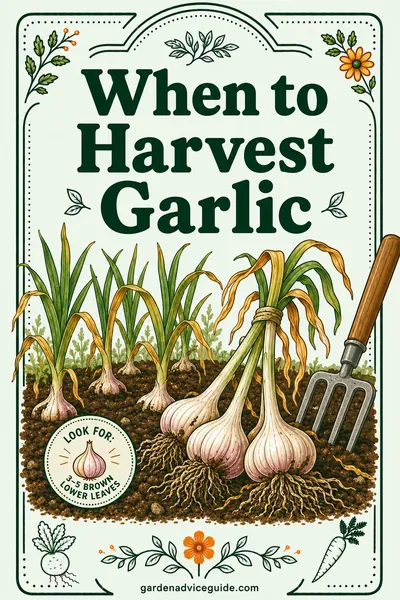
- Early-to-mid summer: lower leaves brown, and it's time to dig. The signs, the test dig, and curing are all covered in our companion guide, when to harvest garlic.
While your garlic sleeps through winter, the bed space around it doesn't have to be idle either. Fall garlic planting pairs naturally with winter sowing, so the same cold months that build your bulbs can be starting next spring's transplants in jugs a few feet away.
FAQ
When do you plant garlic if you missed fall?
Plant as early in spring as the soil can be worked, ideally February to March, and pre-chill the cloves in the refrigerator for 4 to 8 weeks first to substitute for winter. Expect smaller bulbs than fall-planted garlic, and in short-season areas some may grow as single rounds. Then get back on the fall schedule with the next planting.
Can I plant garlic in summer?
No, summer planting fails in almost every US climate. Warm soil pushes lush top growth that has no path to bulbing, and there's no cold period ahead at the right stage. Hold your seed garlic in a cool, dry, airy spot and plant it 2 to 6 weeks before your first hard frost.
When to sow garlic from actual seed?
Almost nobody does. Garlic rarely produces true seed, and growing it that way takes several years to reach bulb size, so "garlic seed" sold commercially is simply cloves for planting. Plant those cloves in fall like any other garlic. True-seed breeding exists but it's a research and hobbyist pursuit, not a food-garden method.
How late is too late to plant garlic in fall?
You can plant until the ground physically freezes solid. Garlic planted a few weeks "late" just roots more slowly and may finish a bit smaller. In zones 7-9 the ground rarely freezes hard, so November or even December plantings usually succeed. When in doubt, plant it: cloves in the ground beat cloves in a drawer.
Does garlic need full sun?
Yes, give it 6 to 8 hours of direct sun. Garlic bulks up during the long days of late spring, and shade during that stretch directly shrinks your bulbs. It's one of the least shade-tolerant crops in the garden.
How much seed garlic should I buy?
One pound of hardneck seed garlic contains roughly 35 to 50 plantable cloves, so a pound plants a 25-foot row and yields 35 to 50 bulbs. Softneck runs 50 to 70 cloves per pound, though the smallest inner cloves aren't worth planting. Two pounds covers most families for a year with seed to spare.
Should I water garlic after planting in fall?
Water once at planting if the soil is dry, then let fall rain handle the rest. The goal is evenly moist, never soggy: cloves sitting in waterlogged cold soil rot before they root. In dry-fall regions like the interior West, water every couple of weeks until the ground freezes.
When is garlic planted commercially?
Commercial growers follow the same rule as gardeners: fall planting, timed to their region. California's big softneck operations plant October through December, while northern hardneck farms plant late September into October. The consistency is the point; garlic's fall-to-summer cycle holds at every scale.
Updated August 2026
A note on numbers. This page gives you planting dates by zone, soil temperatures, depths and spacings, not dollar figures. Seed garlic, mulch and amendments are priced by your region, your supplier and the season, and we do not set any of it. Work out your planting window here, then order locally.