Winter Daphne Care

Winter daphne, Daphne odora, produces the strongest fragrance of any shrub that flowers in February, and it has a reputation for dropping dead in June for no visible reason. Both facts are true, and they are connected. The plant evolved on rocky, fast-draining slopes in China and Japan, and almost every sudden collapse traces back to roots that sat in water for a stretch they could not survive. Get the drainage and the siting right on planting day and this is a long-lived, low-maintenance shrub. Get them wrong and no amount of attention afterward will save it.
This page covers where winter daphne grows, how to site and plant it so it lives, the specific reason it collapses, when and how little to prune, which cultivars are worth hunting for, how to grow it in a pot where the ground is too cold, and its toxicity.
Not sure the plant is hardy where you are? Check your USDA zone with our free growing zones lookup before you buy, because this one is genuinely borderline in a lot of the country.
Updated September 2026
Winter Daphne at a Glance
| Daphne odora | |
|---|---|
| Common names | Winter daphne, fragrant daphne, winter daphne odora |
| Hardiness | USDA zones 7 to 9. Zone 6 only in a sheltered microclimate or a container |
| Mature size | 3 to 4 feet tall, 3 to 5 feet wide. Slow growing, mounded and dense |
| Bloom time | Late January through March in most of its range, occasionally into April in the cooler end of zone 7 |
| Flowers | Dense terminal clusters of small pink to purple buds opening near white. The fragrance carries across a yard |
| Foliage | Evergreen, glossy, leathery, oval. Variegated forms edged in cream or gold |
| Light | Morning sun with afternoon shade, or bright dappled shade all day |
| Soil | Sharply drained, humus rich, slightly acidic. Around pH 6.0 to 6.5 |
| Water | Even moisture during establishment, then only in real drought. Never wet feet |
| Life span | Anywhere from 3 to 30 years, and the difference is almost entirely siting |
| Toxicity | All parts toxic to people, dogs, cats and horses. The berries especially |
Where Winter Daphne Actually Grows
Winter daphne is reliably hardy in USDA zones 7 through 9, and that range is honest rather than conservative. In zone 7a it survives most winters and will occasionally take damage in a severe one. In zones 8 and 9 it is easy. In zone 6 it dies in the ground in a normal winter, though people grow it there in pots or against a heated south wall.
The upper limit matters as much as the lower one. Daphne odora dislikes prolonged summer heat combined with humidity. Through the hot, humid parts of zone 8 and into zone 9 in the Southeast, it needs genuine afternoon shade and excellent drainage to make it through August, and the failure rate climbs. On the Pacific coast, where zone 8 comes with cool, dry summers, it is nearly carefree.
| Zone | Outlook | What it needs |
|---|---|---|
| Zone 6 and colder | Not hardy in the ground | Container culture, moved to an unheated garage or shed for winter |
| Zone 6b, sheltered | Possible, not reliable | A protected south or east wall, a slope, deep winter mulch over the root zone |
| Zone 7 | Good | Morning sun, afternoon shade, sharp drainage, a wind-sheltered spot |
| Zone 8, humid Southeast | Good with care | Afternoon shade, raised planting, no overhead irrigation |
| Zone 8, Pacific Northwest | Excellent | Very little. This is where it thrives |
| Zone 9 | Workable at the cooler end | Full afternoon shade, high siting, a real mulch layer |
| Zone 10 and warmer | Too warm | The plant needs winter chill to bloom well |
Check where you fall with our growing zones lookup and take the map seriously. This is not a plant that rewards optimism about a half zone.
Siting: The Decision That Determines Everything
Almost every winter daphne that dies was planted in the wrong place, and the mistake was made in an afternoon. Spend the time here.
Light. Morning sun and afternoon shade is the target. The east side of a house, the north edge of a deciduous tree canopy, or a spot that gets bright filtered light all day. Full sun works only in the cool end of the range, and even there the leaves often yellow. Deep shade produces a thin, open plant with few flowers.
Drainage above all. The plant needs soil that drains fast and never puddles. Test the spot before you plant. Dig a hole a foot deep and a foot across, fill it with water, let it drain completely, then fill it again. If the second filling takes more than about four hours to drain away, the site will kill this shrub. Find another one or build up.
High ground. Plant it on a slope, on a berm, or at the top of a bank. Never in a low spot, never at the base of a downspout, and never in a bed that stays damp after rain. Where the ground is flat and heavy, mound a raised planting area at least 8 to 12 inches above grade using a mix of native soil, coarse compost and grit, and plant into that.
Shelter from wind. Winter wind desiccates the evergreen leaves at a time of year when frozen ground prevents the roots from replacing the lost water. A wall, a fence, or a taller evergreen on the windward side makes a real difference in zone 7.
Where you will smell it. The whole point of this shrub is the scent in late winter. Put it beside a door, along a path you walk daily, or under a window you crack open. Fifteen feet off in a border is a wasted plant.
Soil chemistry. Slightly acidic and rich in organic matter, roughly pH 6.0 to 6.5. It tolerates neutral soil but not strongly alkaline. Pull a sample before planting rather than guessing, using the method in our guide to how to test garden soil.
Planting, and Why It Hates Being Moved
Daphne roots are fine, brittle and shallow, and they resent disturbance more than almost any common shrub. This shapes both how you plant it and everything you do near it afterward.
- Plant in fall or early spring, while the soil is workable and temperatures are mild. Fall planting in zones 8 and 9 gives roots a whole cool season to settle.
- Dig wide and shallow. Two to three times the width of the root ball, no deeper than the root ball is tall. A hole dug too deep settles, and a daphne that sinks an inch is a daphne with a wet crown.
- Set it high. The top of the root ball should sit 1 to 2 inches above the surrounding grade, with soil sloped up to meet it. This one detail saves more daphnes than anything else on this page.
- Disturb the root ball as little as possible. Do not tease the roots out, do not score the sides, do not shake off the nursery mix. Slide it out of the pot intact and set it in place. Only tease apart roots that are circling hard around the outside.
- Backfill with the native soil, improved with compost if the soil is heavy, plus grit or coarse bark for structure. Do not create a rich pocket in a clay hole, which becomes a sump.
- Water it in well, then mulch 2 to 3 inches deep with shredded bark or pine fines, pulled back a few inches from the stem. Our mulch guide covers depth and material choices.
- Water through the first growing season whenever the top two inches dry out, then taper off. An established plant needs supplemental water only in a real drought.
Once planted, leave it alone. Do not dig near it, do not plant annuals around its base every spring, and do not transplant it. Daphne odora transplants badly at any size beyond a small nursery plant, and a mature specimen moved in the garden usually dies within a year. If it is in the wrong place, you are better off starting a new plant from a cutting than moving the one you have.
Why Winter Daphne Dies Suddenly
The classic story: a healthy, blooming shrub, three or four years in the ground, that yellows and wilts over a week or two in early summer and is dead by the end of the month. Nothing was done to it. Nothing visible attacked it.
What happened underground is almost always root rot from Phytophthora or a related water mold, which thrives in warm, saturated soil. The plant carried the infection quietly through cool weather, then the first hot spell after a wet stretch demanded more water than the damaged root system could move, and it collapsed. The suddenness is real, but the cause was months old.
| Contributing factor | Why it matters | The fix, all of it preventive |
|---|---|---|
| Heavy or compacted soil | Holds water around the roots for days | Plant high on a mound, amend with grit and coarse organic matter |
| Planted too deep | Buries the crown, which stays damp | Set the root ball 1 to 2 inches proud of grade |
| Irrigation on a lawn or bed schedule | Regular summer water is exactly what the plant cannot take | Exclude it from irrigation zones entirely once established |
| Mulch piled against the stem | Keeps the crown wet and invites rot | Keep mulch 3 inches clear of the trunk |
| Root disturbance from cultivating nearby | Every broken root is an entry point | Do not dig within the drip line |
| A wet spring followed by a hot week | The trigger, not the cause | Nothing to do in the moment. The siting decided this already |
There is one more cause worth knowing, because it looks identical and is not fatal. Daphne is host to several viruses that cause mottled, distorted foliage and slow decline over a season or two. There is no treatment. If a plant declines slowly with mottled leaves rather than collapsing quickly with a rotted base, suspect virus, remove it, and do not take cuttings from it.
Pull up a dead plant and look at the roots. Firm, pale roots with a rotted crown at the soil line points to drainage. Blackened, mushy, sparse roots point to Phytophthora. Either way, replant somewhere higher and drier, and do not put a new daphne back in the same hole.
When Does Winter Daphne Bloom, and How Long
Flower buds form in fall and sit through winter as tight rose-pink clusters, which are ornamental on their own. They begin opening when the cold breaks, typically late January into February in zones 8 and 9, and February into March in zone 7. The display lasts three to five weeks, longer in a cool spring and shorter in a warm one. For a second scented shrub in the same window that browsing animals also leave alone, see our page on witch hazel and deer.
The fragrance is the reason to grow it. It carries 20 or 30 feet on a still, mild day and is strongest in the middle of the day when temperatures rise, rather than in the evening. A hard freeze during bloom browns the open flowers but does not damage the unopened buds behind them, so a cold snap usually just interrupts the show rather than ending it. If a severe freeze is forecast while a young plant is in bud, the techniques in our page on how to protect plants from frost apply here as well.
Some plants set small red berries after flowering. These are highly toxic and are the part most likely to interest a child or a dog, which is covered below.
Pruning: The Short Version
Winter daphne barely needs pruning, and it responds poorly to hard cutting. It does not reliably resprout from old bare wood, so a rejuvenation cut can permanently disfigure the plant.
The window is immediately after flowering, from March into early April depending on your zone. Next year's flower buds form on new growth through summer and fall, so anything cut after about mid summer removes the next bloom.
What to do in that window:
- Take off any dead, damaged or crossing stems.
- Shorten any branch that is running out of the mound's outline, cutting back to a side branch rather than leaving a stub.
- Remove reverted all-green shoots on a variegated cultivar, cutting them back into the plant.
- Stop. A light shape is the whole job.
What not to do at any time: shearing the plant into a ball, cutting into leafless old wood, or cutting more than about a quarter of the plant in a single year. And because the sap is an irritant, wear gloves.
Cut stems make excellent short-lived cut flowers, and taking a few branches for a vase in February counts as pruning done at the right time.
Cultivars Worth Looking For
| Cultivar | Foliage | Notes |
|---|---|---|
| Aureomarginata | Green with a narrow gold to cream margin | The most widely grown form, and generally reported as the hardiest and most vigorous. The default choice |
| Marginata | Similar cream-edged variegation | Often sold interchangeably with Aureomarginata |
| Zuiko Nishiki | Solid deep green | Strong grower, prolific bloomer, said to hold up better in heat |
| Maejima | Bold, wide creamy gold margins | The showiest variegation. Slower and a little more temperamental |
| Rebecca | Broad bright yellow margins, compact habit | A newer selection with excellent variegation contrast |
| Alba | Solid green foliage, white flowers | Less common, and the fragrance is just as strong |
| Rubra | Green foliage, deeper reddish purple buds | Sold under several names, look at the plant rather than the label |
Variegated forms are marginally slower and slightly less vigorous than the solid green ones, which is normal for variegation. Any of them can throw a solid green reverted shoot, which grows faster than the rest of the plant and will take it over if left. Cut reversions out at the base as soon as you see them.
Buy the largest healthy plant you can find rather than a small one, and inspect the roots before you buy: a daphne that has been in its pot too long, with roots circling the bottom in a mat, is a poor bet given how badly the plant handles root work.
Growing Winter Daphne in a Pot
A container is the honest answer for zone 6 and colder, and it works well because a pot gives you complete control of the one thing that kills this plant.
- Use a pot with generous drainage, in a material that breathes. Terra cotta or a thick glazed pot with several holes. Nothing without a hole, ever.
- Mix for drainage, not moisture retention. Roughly two parts quality potting mix to one part perlite, pumice or fine bark. Our container gardening guide covers why garden soil never belongs in a pot.
- Size it snug. One or two sizes larger than the nursery pot. An oversized container holds a reservoir of wet mix the roots cannot reach.
- Water when the top two inches are dry, then let it drain completely and empty the saucer. Never let it stand in water.
- Feed lightly. A slow release shrub fertilizer once in spring is enough. Heavy feeding produces soft growth that winter damages.
- Overwinter cold but sheltered. Once nights drop into the 20s, move the pot into an unheated garage, shed or covered porch that stays above about 20°F. Container roots have no ground warmth and freeze at temperatures the same plant would shrug off in the ground.
- Water sparingly in storage, roughly once a month, just enough that the root ball never dries to dust.
- Bring it back out in late winter so it blooms where you can smell it, then move it to its shaded summer position.
Repot only when it is clearly rootbound, in spring after flowering, and disturb the root ball as little as possible. Slide it into a slightly larger pot with fresh mix packed around the outside rather than teasing anything apart.
Is Winter Daphne Poisonous?
Yes, and it is worth being straightforward about it. Every part of Daphne odora is toxic, including leaves, bark, sap and especially the berries, and the ASPCA Animal Poison Control Center lists daphne as toxic to dogs, cats and horses.
The practical points:
- Berries are the real hazard. They are small, red and attractive to children. Even a few can cause serious illness.
- The sap irritates skin. Wear gloves for any pruning, and wash up afterward.
- Do not burn the prunings where you will breathe the smoke, and keep them out of a compost pile that gets used on vegetable beds.
- Deer and rabbits leave it alone, which is the one upside of the toxicity.
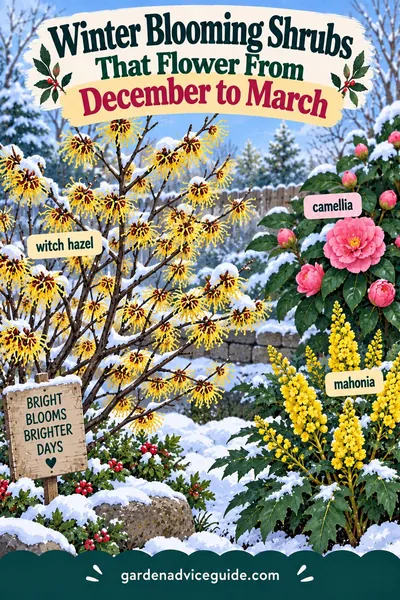
None of this makes it unplantable. It means you site it thoughtfully in a household with small children or a dog that chews, and you keep the prunings out of reach. If you want an equally handsome winter-interest shrub with a very different berry situation, our winterberry plant care page covers the deciduous holly that carries red fruit through the whole winter and needs a male pollinator to do it. For the rest of the December to March flowering sequence, our list of winter blooming shrubs covers witch hazel, wintersweet, mahonia and the hardy camellias that open alongside daphne.
FAQ
What zone does winter daphne grow in?
Winter daphne is hardy in USDA zones 7 through 9. In zone 7a it takes occasional winter damage, and in zone 6 it does not survive in the ground through a normal winter. It also dislikes prolonged summer heat with humidity, so at the warm end of its range it needs full afternoon shade and sharply drained soil to get through August.
Why did my daphne die suddenly?
Almost always root rot caused by soil that held water, usually a Phytophthora infection that developed quietly and then collapsed the plant during the first hot spell after a wet stretch. Heavy soil, planting too deep, summer irrigation, mulch against the stem and digging near the roots all contribute. The cause was set months earlier, and the fix is preventive: plant high, in fast-draining soil, and leave it dry.
When should I prune winter daphne?
Right after flowering, from March into early April. Next year's flower buds form on growth made through summer and fall, so pruning later removes the bloom. Keep it light: dead or crossing stems, anything running outside the mound, and reverted green shoots on a variegated plant. Never cut into bare old wood, because daphne does not reliably resprout from it.
Can I move an established daphne?
Realistically, no. Daphne odora has fine, brittle roots that resent disturbance, and a mature plant moved in the garden usually dies within a year. If the plant is in the wrong spot, take cuttings in early summer and start a new one in a better location rather than risking the original.
When does winter daphne bloom?
Buds form in fall and hold through winter as tight pink clusters, then open when the cold breaks. That is typically late January into February in zones 8 and 9, and February into March in zone 7. The display lasts three to five weeks. Fragrance is strongest in the middle of a mild day, and a hard freeze browns open flowers without harming the unopened buds behind them.
Can I grow winter daphne in a pot in zone 6?
Yes, and it is the standard approach where the ground is too cold. Use a pot with several drainage holes, a mix cut heavily with perlite or pumice, and a size only one or two steps up from the nursery pot. Once nights drop into the 20s, move it into an unheated garage or shed that stays above roughly 20°F, water about once a month there, and bring it back out in late winter to bloom.
Is winter daphne poisonous to dogs?
Yes. The ASPCA lists daphne as toxic to dogs, cats and horses, and every part of the plant is involved, with the small red berries being the most dangerous. The sap also irritates skin, so wear gloves when pruning. The same toxicity is what makes the shrub reliably resistant to deer and rabbits.
Why are my daphne leaves turning yellow?
Yellowing across the whole plant with wilting usually signals root rot from soil that stayed too wet, and it is often the first visible warning before a collapse. Yellowing between the veins on new growth points instead to alkaline soil making iron unavailable, which a soil test will confirm. Scattered yellow older leaves dropping in spring are normal for an evergreen shrub renewing its foliage.