Growing Vegetables in Pots for Beginners

Two things decide whether your container vegetables thrive or sulk: pot size and watering frequency. Almost every beginner uses pots that are far too small, then waters on a schedule that suits a garden bed instead of a container. A pot dries out three to five times faster than the same soil in the ground, so a tomato in a 2-gallon nursery pot on a hot July balcony can go from fine to wilted in a single afternoon.
Not sure how many plants fit in a pot? Run the numbers with our free plant spacing calculator before you buy anything.
Get those two things right and the rest is easy. Below is the container size chart for 15 common crops, the potting mix rule that saves most beginners from a season of disappointment, the drainage myth almost every article still repeats, and a full worked example of a first four-pot setup with real costs.
The two things that make growing vegetables in pots for beginners actually work
Here's the honest version of container vegetable gardening for beginners. You are not fighting pests, or soil pH, or fertilizer brands. You are fighting root volume and water.
A vegetable plant in the ground sends roots sideways and down for several feet in every direction. It hunts for water and minerals across maybe 5 cubic feet of soil. That same plant in a 3-gallon pot has roughly 0.4 cubic feet. Everything it will ever eat or drink has to be in that small box, and you have to put it there.
That changes three things at once:
- Water runs out fast. Small volume, lots of leaf, wind on all sides, and sun heating the pot walls.
- Nutrients wash out. Every time water runs out the drainage holes it takes dissolved nutrients with it. That's why containers need feeding on a schedule and ground beds often don't.
- Roots run out of room. Once roots fill the pot, growth stops no matter how well you water. The plant just holds.
Size the pot generously and you fix all three at once. A bigger pot holds more water, holds more nutrients between feedings, and buys the roots room to keep going. There is no downside to going one size up except weight and a little more mix.
Container size chart for 15 vegetables
This is the backbone of the whole article. Print it, screenshot it, take it to the store. Gallons refer to nursery pot sizes, and the inch figures are the top diameter you'll see on a retail pot.
| Crop | Minimum pot size | Depth needed | Plants per pot | Notes |
|---|---|---|---|---|
| Lettuce, salad greens | 1-2 gal (8-10 in) | 6-8 in | 2-3 heads, or broadcast for cut-and-come-again | Shallow roots. Tolerates part shade. Bolts in heat. |
| Radish | 1 gal (8 in) | 6 in | Sow 2 in apart, thin ruthlessly | Fastest win in containers. 25-30 days. |
| Spinach | 1-2 gal (8-10 in) | 6-8 in | 3-4 plants | Cool season only. Great fall crop. |
| Herbs (basil, parsley, thyme) | 1-2 gal (8-10 in) | 6-8 in | 1 per pot | See our herb guide for the two-group rule. |
| Bush beans | 2-3 gal (10-12 in) | 8-10 in | 3-4 plants per 3 gal | Pick pole beans only if you have a real trellis. |
| Peppers | 3-5 gal (11-12 in) | 10-12 in | 1 | 5 gal beats 3 gal noticeably. Hot peppers do fine at 3. |
| Eggplant | 5 gal (12-14 in) | 12 in | 1 | Heavy plant. Stake it or it topples. |
| Determinate tomato | 5 gal absolute minimum, 7-10 much better (14-16 in) | 12+ in | 1 | Bush types stop at a set height. The realistic container tomato. |
| Indeterminate tomato | 10-15 gal (16-18 in) | 15+ in | 1 | Honestly hard in a pot. See the note below. |
| Cucumber | 5 gal (12 in) | 12 in | 1-2 | Needs a trellis. Bush varieties are far easier. |
| Zucchini / summer squash | 7-10 gal (15-16 in) | 12+ in | 1 | One plant fills the whole pot and then some. |
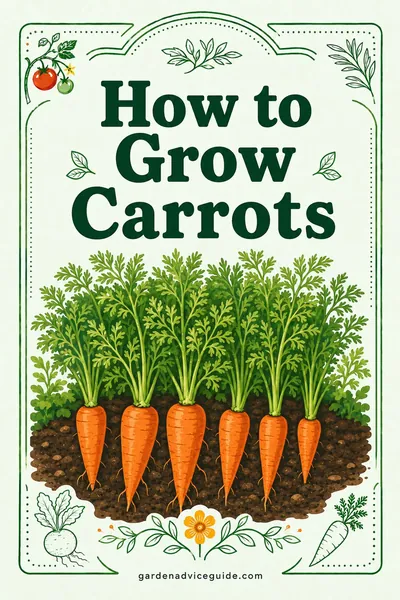
| Carrots | 3-5 gal, 12+ in deep | 12 in for full size, 6-8 in for short types | Sow 2 in apart | Depth matters more than width. Use Danvers or Chantenay. |
| Potatoes | 10-15 gal or a 15 gal grow bag | 15+ in | 2-3 seed pieces | Grow bags are genuinely better here. |
| Kale | 3-5 gal (11-12 in) | 10-12 in | 1 | Productive for months. Sweeter after frost. |
| Swiss chard | 3 gal (10-12 in) | 10 in | 1-2 | Cut outer leaves, it keeps going all season. |
| Bok choy | 2-3 gal (10 in) | 8 in | 1-2 | Fast, and a strong fall crop. |
| Green onions | 1 gal (6-8 in) | 6 in | 15-20 | Cheapest possible container crop. Regrows after cutting. |
| Strawberries | 1-2 gal per plant (8-10 in) | 8 in | 1 per gallon | Everbearing types suit pots better than June-bearing. |
The honest truth about indeterminate tomatoes in pots
Big vining tomatoes like Brandywine, Sungold, Cherokee Purple and most heirlooms are indeterminate. They keep growing until frost kills them, which in a good summer means 6 to 8 feet of vine and a root system that wants a bathtub, not a bucket.
You can grow one in a 10 to 15 gallon container. People do it every year. But you will be watering twice a day in August, feeding every two weeks without fail, and dealing with a plant that flops the moment you miss a watering. It's the single most common way a first container season goes badly.
If this is your first year, plant a determinate or compact variety instead. Look for tags that say bush, patio, dwarf, or determinate. You'll get a plant that stops at 3 to 4 feet, sets most of its fruit in one flush, and survives a missed watering. Once you know how your balcony behaves, try the big vine next year.
Never use garden soil in containers
This is the rule beginners break most often, usually to save money, and it costs the whole season.
Garden soil is held open by earthworms, roots, freeze-thaw cycles and soil organisms. Take it out of that system and pack it into a pot and it collapses into a dense brick within a few weeks. Water sits on top or channels down the sides. Roots suffocate. The plant yellows and stalls and you think it needs fertilizer, when what it needs is air.
Use a bagged potting mix. Not "garden soil," not "topsoil," not "raised bed mix." The bag should say potting mix or container mix.
A good mix contains:
- Peat moss or coco coir for water holding, and note that unfertilized peat on its own is what a bog plant like a fly trap wants
- Perlite or pumice (the white bits) for air space and drainage
- Compost or aged bark fines for structure and a little nutrition
- Sometimes a wetting agent, which is genuinely useful because dry peat repels water
Oregon State University Extension's container gardening guidance makes the same point: soilless mixes are used in containers because they stay porous and drain freely, which garden soil in a pot does not.
Skip the cheapest bag on the pallet. Bargain mixes are often mostly uncomposted bark, which drains too fast and ties up nitrogen as it breaks down. A mid-grade mix costs a little more per bag and is the difference between a good season and a confusing one.
Why containers need feeding every 2 to 3 weeks
Every time you water until it runs out the bottom, you are flushing dissolved nutrients out of the pot. That's not a flaw. It's how you avoid salt buildup. But it means the pantry empties fast.
Most potting mixes include a starter charge of fertilizer that lasts roughly 4 to 6 weeks. After that, you're feeding or the plant is coasting.
Two approaches that both work:
- Slow release granules at planting, then a liquid feed every 2 to 3 weeks once the plant is producing. This is the belt-and-suspenders version and the safest choice for a first year.
- Liquid feed only, at half strength, every single watering. More work, very steady results, popular with tomato growers.
Fruiting crops (tomatoes, peppers, cucumbers, squash) are the hungry ones. Leafy crops (lettuce, kale, chard) need much less. Herbs need the least of all, and over-feeding them actually weakens the flavor.
Watering containers without guessing
Forget schedules. Use the finger test: push a finger into the mix up to the second knuckle. If it's dry at that depth, water. If it's damp, wait.
Do this once a day at first. Within a week you'll know your pots.
What to expect in real numbers:
- Spring and fall, moderate weather: every 2 to 3 days for most pots
- Summer, 85°F and up: daily for anything 5 gallons or under
- Hot and windy, or a small pot with a big plant: twice a day, morning and late afternoon
Water until it runs freely out the drainage holes. A splash on the surface wets the top inch and nothing else, and the roots stay thirsty while the surface looks fine.
Two habits that help a lot:
- Water in the morning. The plant uses it during the day and the foliage dries before night, which cuts disease.
- Lift the pot. Weight tells you more than looks. A light pot is a dry pot.
Self-watering options if you travel or forget
Self-watering containers have a reservoir underneath and a wick or soil column that draws water up. They genuinely work, and for tomatoes and peppers they smooth out exactly the swings that cause trouble.
Cheaper versions of the same idea:
- Plastic pots over terracotta. Plastic loses far less water through its walls.
- Bigger pots. A 10-gallon pot simply has more buffer than a 5-gallon one.
- Mulch the surface. An inch of straw, shredded leaves or bark on top of the mix cuts evaporation meaningfully.
- Group pots together. Clustered pots shade each other and raise humidity around the leaves.
- Saucers in summer, removed in winter. A saucer buys you a few hours in July. In cool wet weather it drowns roots.
What inconsistent watering actually does
This is why watering matters more than anything else you do:
- Blossom end rot on tomatoes, peppers and squash. A sunken black patch on the bottom of the fruit. It's a calcium delivery failure caused by swings between dry and wet, not usually a calcium shortage in the mix. Our guide on blossom end rot covers the fix in detail.
- Bitter cucumbers. Cucumbers stressed by drought produce more cucurbitacin, and the fruit turns bitter at the stem end.
- Bolting lettuce and spinach. Heat plus water stress flips leafy greens into flowering, and the leaves turn bitter within days.
- Split tomatoes. A dry plant that suddenly gets a soaking pushes water into ripening fruit faster than the skin can stretch. Concentric or radial cracks appear overnight.
- Flower drop on peppers and beans. Stressed plants abandon flowers to protect themselves.
Notice that four of those five are watering problems wearing a costume. Beginners spend money on sprays and amendments for issues a consistent watering can would have prevented.
Drainage holes, and the gravel myth you should ignore
Drainage holes are non-negotiable. No holes, no vegetables. A pretty ceramic pot with a sealed base is a plant coffin. Drill holes in it, or slip a plastic nursery pot inside it and lift the nursery pot out to water.
For a 12-inch pot, aim for four to six holes around half an inch across, or one large central hole plus a few smaller ones.
Now the part most articles still get wrong.
Why gravel in the bottom makes drainage worse
The advice to put an inch or two of gravel, broken pottery or packing peanuts in the bottom "for drainage" is wrong. It does the opposite of what it promises.
Here's the physics. Water doesn't cross from a fine material into a coarse one until the fine material is saturated. That's capillary action, and it's why a wet sponge on a rack keeps a wet layer at its base instead of draining bone dry. The saturated zone at the bottom of any container is called the perched water table, and it exists in every pot no matter what you fill it with.
Add gravel and the mix above it will not release water into the gravel until that mix is fully saturated. So the perched water table doesn't move down into the gravel. It just sits at the mix-gravel boundary instead of at the bottom of the pot. You've lifted the soggy layer higher, and you've thrown away the root space the gravel occupies.
Washington State University Extension horticulturist Linda Chalker-Scott has published on this repeatedly, and commercial container nurseries fill their pots with a single uniform mix for exactly this reason.
What to do instead: fill the pot with potting mix, top to bottom. If you're worried about mix washing out the holes, lay a single coffee filter, a scrap of window screen or a piece of newspaper over them. That's it.
If a pot is huge and you want to reduce weight and mix cost, an upside-down empty nursery pot in the bottom of a very deep planter is fine, because it removes volume rather than creating a false bottom under the root zone. Just make sure the remaining mix depth still meets the crop's needs in the table above.
Pot material comparison
| Material | Weight | Drying speed | Cost | Durability | Best for |
|---|---|---|---|---|---|
| Plastic (nursery or decorative) | Light | Slowest | $ | 3-8 years, UV makes it brittle | Beginners, hot balconies, anything you move |
| Terracotta (unglazed clay) | Heavy | Fastest, it breathes through the walls | $$ | Decades if never frozen wet, cracks in winter | Rosemary, thyme, plants that hate wet feet |
| Fabric grow bag | Very light empty | Fast, air-prunes roots | $ | 2-5 seasons | Potatoes, tomatoes, anything you store flat over winter |
| Glazed ceramic | Heaviest | Slow | $$$ | Long, but cracks if left full and frozen | Permanent patio displays, big feature pots |
| Wood (cedar, planter boxes) | Heavy | Moderate | $$-$$$ | 5-15 years depending on species | Built-in balcony rails, long shallow crops like greens |
If you're picking one material for a first year: plastic or fabric. Plastic if you're forgetful about watering, fabric if you have hot sun and a tendency to overwater. Terracotta looks wonderful and is the single hardest choice for a beginner, because it dries out so fast that a July heat wave can kill a plant in one day.
How much sun do container vegetables need?
Most vegetables want 6 to 8 hours of direct sun. That means sun actually landing on the leaves, not bright shade.
Before you plant anything, spend a Saturday checking your space hourly. Balconies are tricky, and a spot that looks bright at noon may only get three real hours because of the railing or the building next door.
Needs 6-8+ hours (skip these if you don't have it): tomatoes, peppers, eggplant, cucumbers, squash, beans, potatoes, most fruiting crops.
Does fine on 4-6 hours: lettuce, spinach, arugula, Swiss chard, kale, bok choy, mustard greens, mint, parsley, cilantro, chives, green onions, radish, and (grudgingly) bush beans.
The pattern is simple: if you eat the leaf or the root, less sun is workable. If you eat the fruit, the plant needs sun to fuel it.
North-facing balconies with under 4 hours can still grow herbs and mesclun in summer. They cannot grow a tomato, and no amount of feeding changes that.
Start these containers right now (late August)
Late August is the second-best planting window of the year and almost nobody uses it. Containers actually have an advantage here, because you can move them.
Sow now for fall harvest:
| Crop | Sow by | Ready in | Pot |
|---|---|---|---|
| Radish | Mid-September | 25-30 days | 1 gal |
| Lettuce, mesclun | Mid-September | 30-45 days for baby leaf | 2 gal |
| Spinach | Late September | 40-50 days | 2 gal |
| Kale | Now | 55-60 days, sweeter after frost | 3-5 gal |
| Cilantro | Now through September | 30-40 days | 2 gal |
| Bok choy | Now | 45 days | 2-3 gal |
| Green onions | Now | 60 days, harvest any time | 1 gal |
Cilantro deserves special mention. It bolts within weeks in summer heat and is a genuinely good crop in fall. If summer cilantro has frustrated you, this is your season.
Two container-only tricks that extend the season by weeks:
- Move pots toward the sun as it drops. The sun angle changes fast in September and October. A spot that was blazing in July may be shaded by 2pm in October. Slide the pots.
- Move pots against the house on cold nights, or bring them in. A wall radiates stored heat overnight and an attached wall can be several degrees warmer than open ground. A frost warning that would end a garden bed is just a night of shuffling pots for you.
For a fuller month-by-month plan, see what to plant in September.
Worked example: a beginner's first four containers
Here's a real balcony setup for someone starting from nothing. It assumes about 15 square feet of floor space with 6 to 7 hours of afternoon sun.
Pot 1, the tomato. A 10-gallon black plastic pot (16 in diameter), one determinate patio tomato, staked with a single 4-foot stake. Uses about 1.3 cubic feet of mix.
Pot 2, peppers. A 5-gallon pot (12 in), one bell or jalapeno plant. About 0.67 cubic feet of mix.
Pot 3, the salad pot. A 15-inch wide, 8-inch deep plastic planter, broadcast-sown with mesclun and a row of radish along the front. Cut and it regrows. About 0.7 cubic feet of mix.
Pot 4, herbs. A 12-inch pot with a single basil plant, plus a separate 8-inch pot for chives. Basil in with the salad pot also works. About 0.5 cubic feet total.
Mix quantity: roughly 3.2 cubic feet, so buy two 2-cubic-foot bags (4 cu ft) and keep the extra for topping up. Mix settles by 10 to 15 percent in the first month and you will want it.
What this actually costs, and what drives it:
| Item | What moves the number | Buy again next year? |
|---|---|---|
| 10 gal pot | Material. Thin plastic is cheapest, glazed ceramic and fabric grow bags cost more, and fabric bags are the cheapest way to get a large volume | No, plastic and ceramic last years |
| 5 gal pot | Same as above, and nursery pots you saved from last year's shrubs cost nothing at all | No |
| 15 in planter | Width, not depth. Wide shallow planters are priced by their footprint | No |
| 12 in pot + 8 in pot | The two smallest items on the list | No |
| Potting mix, 2 x 2 cu ft bags | The largest single line. Bagged mix is priced by volume, so the number of pots you fill sets it, and buying one big bag beats two small ones | Yes, partly. Top up rather than replace |
| Slow release fertilizer, small bag | One small bag lasts several seasons | No |
| Transplants (tomato, pepper, basil, chives) | Plant size. Four-inch transplants cost several times what the same variety costs as a 6-pack seedling, and both cost far more than seed | Yes |
| Seed (mesclun, radish) | The cheapest line on the page, and one packet oversows a 15-inch planter for two or three years | Yes, eventually |
| Tomato stake | Wood is cheapest, steel lasts longest | No |
The shape of it is that year one is mostly containers and mix, and both of those are durable. Year two costs a fraction of year one, because the pots, the stake and the fertilizer bag all carry over and you rebuy only mix, plants and seed. If you want to hold the first year down, the two levers that work are fabric grow bags instead of rigid pots and seed instead of transplants for anything that direct-sows, which here is the mesclun and the radish.
Watering load: in July, pots 2, 3 and 4 need daily water and pot 1 may need it twice on hot days. Budget about 10 minutes a day. That's the real commitment, and it's worth knowing before you buy.
Small mistakes that cost a season
- Buying the biggest transplant on the bench. A leggy, root-bound, already-flowering tomato transplants worse than a smaller stocky one.
- Skipping the hardening-off. A plant raised in a greenhouse and moved straight to a full-sun balcony scorches within two days. Give it a week of increasing exposure.
- Crowding. Three tomatoes in a 10-gallon pot is three bad tomatoes. One plant per pot for anything fruiting.
- Dark pots in full sun. A black plastic pot in direct summer sun can hit temperatures that damage roots on the sunny side. Shade the pot itself with a shorter plant, or wrap it, or use a light-colored pot.
- Leaving pots full over winter. Ceramic and terracotta crack when saturated mix freezes. Empty them or store them under cover.
- Trusting the tag. Nursery tags say things like "compact" about plants that reach five feet. Check the variety name against the size chart above.
FAQ
What size pot is best for tomatoes?
Five gallons is the absolute minimum, and 7 to 10 gallons produces a noticeably better plant. Indeterminate vining varieties want 10 to 15 gallons and still need watering twice a day in summer. For a first year, pick a determinate or patio variety in a 10-gallon pot.
Can I reuse potting mix from last year?
Yes, with a refresh. Pull out old roots, mix in about one-third fresh potting mix plus a couple of handfuls of compost, and add slow release fertilizer. Don't reuse mix from a pot that had a disease problem like blight or root rot, and don't plant tomatoes in tomato mix two years running.
Do I really need drainage holes if I water carefully?
Yes. There is no watering technique that substitutes for drainage. Without holes, salts build up and the bottom of the pot stays waterlogged, which kills roots quietly before the plant shows symptoms. Drill the pot or use a nursery liner inside it.
Why are my container vegetables yellow?
Yellowing on the lower, older leaves first is usually nitrogen running out, which happens 4 to 6 weeks after planting in most mixes. Feed and see if new growth greens up. Yellowing on new growth, or yellow between green veins, points to overwatering and poor root function instead.
How often should I water vegetables in containers?
Check daily with the finger test rather than following a schedule. In spring and fall, most pots need water every 2 to 3 days. In summer heat above 85°F, anything 5 gallons or under usually needs daily water, and small pots with big plants may need it twice.
Can I grow vegetables in containers indoors?
Herbs and salad greens, yes, with a bright south window or a grow light. Fruiting crops like tomatoes and peppers almost never work indoors without serious supplemental lighting, because a bright-looking window delivers a fraction of the light intensity of outdoor sun.
What vegetables grow best in pots for beginners?
Lettuce, radish, green onions, bush beans, kale, chard and herbs are the reliable wins. They're fast, forgiving, and don't need a huge pot. Peppers and determinate tomatoes are the next step up. Save indeterminate tomatoes, corn and full-size winter squash for a garden bed.
Do container vegetables need fertilizer if the mix already has it?
Yes, after the first month or so. The starter charge in a bagged mix typically lasts 4 to 6 weeks, and each thorough watering flushes some of it out the drainage holes. Add slow release granules at planting and a liquid feed every 2 to 3 weeks once plants start producing.
Related reading: growing herbs in pots for beginners · what to plant in September · how to fix blossom end rot
Updated August 2026
A note on numbers. This page gives you timing, quantities and spacing, not dollar figures. Seed, plant and material pricing varies by region, by supplier and by season, and we do not set any of it. Work out what you need here, then price the list at two or three local suppliers.