What to Plant in September

What to plant in September depends almost entirely on where you live. In zones 3-5 you're down to fast greens, garlic, spring bulbs, and cover crops. Zones 6-7 get garlic, spinach, lettuce, kale, radishes, bulbs, and the best lawn-seeding window of the year. Zones 8-9 open a wide fall vegetable season: broccoli, cabbage, carrots, beets, peas, and cilantro. And in zones 10-11, September is when the real growing year starts, with tomatoes, peppers, beans, and squash going back in the ground.
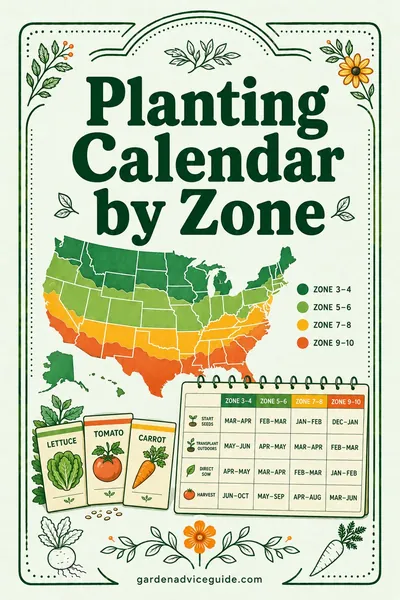
Skip the guesswork: pick your zone and month in our free monthly planting calendar and get the exact list for your garden.
If you are reading this in the last week of August, the window is slightly different, and our list of what to plant in August covers the crops that still need those extra days.
The problem with most September planting advice is that it's written for somebody else's climate. A Minnesota gardener and a Miami gardener searching the same question need opposite answers. Below, each zone group gets its own list, plus the frost-date math that tells you whether a crop still has time.
The one calculation that decides everything
Before the lists, here's the math. Every fall planting decision comes down to a subtraction problem with one adjustment most people forget.
Step 1: Find your first fall frost date. This is your deadline, and it varies by 10 weeks or more across the country. NOAA's climate normals are the source most zone maps draw from, and your local extension office publishes the date for your county.
Step 2: Count the days from today to that date. September 1 to an October 15 frost is 44 days.
Step 3: Add the fall factor. Every seed packet's "days to maturity" number was measured in spring, when days are getting longer and warmer. In fall, the opposite is happening. Plants grow measurably slower as daylight shrinks, so add about 14 days to any catalog maturity number for a fall planting. Some growers add more for slow crops like carrots and cabbage.
Step 4: Sort your crops into two piles. This is the part that changes the answer:
- Tender crops (beans, squash, cucumbers, tomatoes, peppers, basil) die at 32°F. The frost date is a hard wall. They must be finished before it.
- Hardy and semi-hardy crops (spinach, kale, collards, carrots, turnips, mache, leeks) survive frost and in several cases taste better after it. For these, frost isn't the deadline. The real deadline is the point when daylight drops under about 10 hours a day and growth nearly stops. In most of the US that lands somewhere between mid-November and early December. Anything sized up by then holds in the garden like a refrigerator you can walk into.
That second pile is why "is it too late?" almost always has a more generous answer than people expect.
Worked example: zone 6, first frost October 15
You're in zone 6, it's September 1, and your average first frost is October 15. That's 44 days. Add the 14-day fall factor and you have a budget of about 30 "catalog days" for anything that must finish before frost.
| Crop | Catalog days | + fall factor | Ready around | Verdict |
|---|---|---|---|---|
| Radish, Cherry Belle | 25 | 39 | Oct 10 | Fits, with days to spare |
| Arugula | 30 | 44 | Oct 15 | Fits, and takes light frost anyway |
| Spinach | 40 | 54 | Oct 25 | Past frost, but spinach shrugs off 20°F. Fits |
| Leaf lettuce | 45 | 59 | Oct 30 | Harvest baby leaves early, or use row cover |
| Turnips | 50 | 64 | Nov 4 | Greens in October, roots hold in cold soil. Fits |
| Bush beans | 55 | 69 | Nov 9 | No. Frost kills them a month before harvest |
| Broccoli from seed | 85 | 99 | Dec 9 | No. Should have started in July |
| Broccoli from transplant | 60 | 74 | Nov 14 | A gamble. Only with row cover and a mild fall |
Read that table again and notice the pattern: the crops that fail are the tender ones and the slow ones. The crops that win are fast, hardy, or both. That's the whole rule of September planting in a cold climate.
Also notice what's missing from the table: garlic, bulbs, cover crops, lawn seed, and perennials. None of them are on this clock at all. They're planted in September precisely because they're supposed to sit through winter.
What to plant in September in zones 3-5 (cold)
In the coldest zones, September is the tail end. First frost arrives between mid-September (zone 3) and mid-October (zone 5), so the vegetable window is measured in days, not weeks.
Plant now from seed:
- Radishes. 25 days start to finish. Sow the first week of September in zone 5 and you'll still eat them.
- Spinach. Two jobs here. A September sowing gives you fall greens, and a later sowing that reaches 2 inches before hard freeze will overwinter under straw and take off in March. University of Minnesota Extension recommends this overwintering trick for northern gardeners who want the earliest possible spring harvest.
- Arugula and mustard greens. Baby leaf in three weeks. Cut and come again until the ground freezes.
- Cover crops. This is the highest-value thing you can plant in a cold-zone September. Cereal rye is the toughest option and can be sown right up to a hard freeze. Oats and field peas need 4 to 6 weeks of growth first, so sow those in the first half of the month.
Plant now for next year:
- Garlic. Zone 3 plants mid to late September; zones 4-5 run from mid-September into early October. If you're anywhere north of the Ohio River, September is your month. The full schedule, depth, and spacing are in our guide to when to plant garlic.
- Spring bulbs. Daffodils, crocus, muscari, and alliums all go in now in zones 3-5, once soil drops under 60°F. Tulips are the exception in warmer zones (they want later planting), but in zones 3-5 September into early October is right for them too. See when to plant tulip bulbs for the exact window.
- Perennials, shrubs, and trees. Fall planting works because the soil is still warm while the air has cooled. Roots grow, tops don't, and nothing has to survive August heat. Get them in with at least 6 weeks before the ground freezes, then mulch.
The rest of September is cleanup. Pull spent tomato and squash vines (don't compost diseased ones), get a soil test in while labs are quiet, and spread compost or leaves on empty beds. Everything you do to the soil now compounds next May.
What to plant in September in zones 6-7 (moderate)
This is the sweet spot month. You still have real growing time, plus every fall planting job on the calendar.
Vegetables to sow now:
- Spinach, arugula, mustard, mache. All hardy, all fast, all better in fall than spring because nothing bolts.
- Lettuce. Leaf types over head types this late. Loose-leaf reaches usable size in 45 days and you can start picking earlier.
- Kale and collards. Transplants beat seed at this point in zone 6. Both survive well into the teens and get sweeter after the first frosts convert starches to sugars.
- Radishes and turnips. Sow radishes anytime this month. Turnips sown in the first two weeks give you greens by early October and roots that hold in the ground through hard frost.
- Swiss chard and beets in zone 7, early in the month.
- Cilantro in zone 7. Fall-sown cilantro is a completely different plant from spring cilantro: it takes months to bolt instead of weeks.
Everything else September is famous for:
- Garlic. Zone 6 plants late September through late October. Zone 7 usually waits for October, but a late-September planting in the cooler parts of zone 7 is fine.
- Spring bulbs. Daffodils and alliums go in from late September in zone 6. Hold tulips for October in zone 7. If deer patrol your yard, build the planting around species they leave alone; our list of deer-resistant bulbs covers which ones actually work.
- Cool-season lawn seed. September is the single best month of the year to seed or overseed tall fescue, Kentucky bluegrass, and perennial ryegrass across the cool-season region. Soil is warm enough for fast germination, nights are cool, and crabgrass has stopped competing. Aim to seed at least 45 days before your first hard freeze so the seedlings root in.
- Cover crops. Cereal rye, winter wheat, hairy vetch, and crimson clover all establish well in a zone 6-7 September.
- Perennials, trees, and shrubs. Prime time. Water deeply until the ground freezes.
What to plant in September in zones 8-9 (warm)
Here the script flips. September isn't the end of anything; it's the start of the best gardening season of the year. Summer heat is breaking, and the fall vegetable window opens wide.
Sow or transplant now:
- Broccoli, cabbage, cauliflower, Brussels sprouts. Set out transplants rather than seed so they mature before the shortest days. Brussels sprouts need the longest run, so plant those first.
- Carrots and beets. Direct sow. Carrots take 60 to 80 days and improve after light frost, which zone 8 barely gets.
- Lettuce, spinach, kale, collards, chard, bok choy, mustard. All of them, all month.
- Peas. Snap and shelling peas sown in September mature in the cool of November. They're a fall crop in zones 8-9, not a spring one.
- Cilantro, dill, parsley, and green onions. Cool weather is what these want.
- Turnips, rutabaga, and radishes. Fast, reliable, and forgiving of a late start.
- Short-day onion seed for transplanting later, in zone 9.
Texas A&M AgriLife Extension treats the fall garden as the more productive of the two seasons in much of the state, and the reason is simple: pests are winding down, temperatures are falling instead of climbing, and cool-season crops never face a bolt-inducing heat wave.
Garlic still waits in zones 8-9. Your window is November into December, and softneck varieties suit you better than hardnecks.
What to plant in September in zones 10-11 (hot)
In south Florida, south Texas, coastal Southern California, and Hawaii, September is roughly what April is in Ohio. The unbearable stretch is ending and the planting year begins.
Warm-season crops, planted now for fall and winter harvest:
- Tomatoes. Set out transplants, not seed. Choose heat-tolerant and short-season varieties so they set fruit before the cooler nights of December.
- Peppers and eggplant. Same window, same logic.
- Bush beans. 50 to 60 days, and there's no frost coming to end them.
- Summer squash and zucchini. A fall planting often dodges the worst of squash vine borer pressure.
- Cucumbers. A reliable fall crop in Florida.
- Sweet corn, in the first half of the month in zone 10.
Cool-season crops start later here. Wait until October and November for lettuce, broccoli, and cabbage, when temperatures have actually dropped. The University of Florida IFAS Extension's Florida Vegetable Gardening Guide splits the state into north, central, and south planting calendars for exactly this reason, and the differences between them are weeks wide.
Garlic in zones 10-11 needs pre-chilled cloves and a December or January planting, so it's not a September job.
The full September planting table
Find your zone in the middle column. If it's there, you can plant that crop this month.
| Crop | Zones that can plant in September | Days to maturity | Notes |
|---|---|---|---|
| Radish | 3-11 | 22-30 | The fastest fall crop anywhere. Direct sow |
| Arugula | 3-10 | 25-40 | Baby leaf in 3 weeks, no bolting in fall |
| Mustard greens | 4-11 | 30-45 | Fast, peppery, takes hard frost |
| Spinach | 3-9 | 35-45 | Hardy near 15°F. Overwinters under mulch |
| Turnips | 4-10 | 40-55 | Greens at 30 days, roots at 50 |
| Lettuce (leaf) | 4-11 | 45-55 | Semi-hardy. Row cover past first frost |
| Bok choy | 5-10 | 45-55 | Fall is its best season |
| Kale | 4-10 | 50-65 | Sweetens after frost. Hardy near 10°F |
| Collards | 6-10 | 55-75 | The most forgiving green on this list |
| Swiss chard | 6-11 | 50-60 | Slow, but holds through light freezes |
| Beets | 6-11 | 50-60 | Thin early or the roots stay small |
| Carrots | 7-11 | 60-80 | Frost sweetens them. Mulch and dig into winter |
| Cilantro | 7-11 | 40-55 | Fall-sown cilantro lasts months |
| Broccoli (transplants) | 7-10 | 55-70 from transplant | Transplants only this late, not seed |
| Cabbage (transplants) | 8-10 | 60-90 from transplant | Pick the fastest variety you can find |
| Cauliflower (transplants) | 8-9 | 55-80 from transplant | Fussiest brassica. Needs steady water |
| Peas | 8-10 | 55-70 | A fall crop in the South, not a spring one |
| Bush beans | 9-11 | 50-60 | Tender. One frost ends it |
| Summer squash | 10-11 | 45-55 | Fall planting dodges peak vine borer |
| Cucumbers | 10-11 | 50-65 | Dependable fall crop in Florida |
| Tomatoes (transplants) | 10-11 | 60-85 from transplant | Heat-tolerant varieties, transplants only |
| Peppers (transplants) | 10-11 | 60-90 from transplant | Same window as tomatoes |
| Garlic | 3-6 | 240-270 | Plant now, harvest next July |
| Daffodils, crocus, alliums | 3-7 | n/a | Once soil is under 60°F |
| Tulips | 3-5 | n/a | Warmer zones wait for October or later |
| Cover crops | 3-9 | n/a | Cereal rye is the latest-safe option |
| Cool-season lawn seed | 3-7 | 14-21 to germinate | The best seeding month of the year |
| Perennials, shrubs, trees | 3-9 | n/a | Needs 6 weeks of root growth before freeze |
If you're not certain of your zone, check your zip code against the USDA Plant Hardiness Zone Map. It was updated in 2023 and a lot of gardeners shifted half a zone without noticing.
Why fall planting pays off more than spring planting
Three things make September plantings outperform, and they're worth understanding because they explain most of the advice above.
Warm soil, cool air. In spring you fight cold soil with warming air, which is backwards for root growth. In September it's reversed: soil holds summer heat for weeks after the air cools. Roots keep growing while tops slow down. That's the ideal ratio for perennials, shrubs, trees, garlic, and bulbs, all of which spend fall building roots and nothing else.
No bolting. Lettuce, spinach, cilantro, and bok choy bolt when days lengthen and temperatures climb. In fall, both trends run the other way. The same seed that gave you three weeks of spring lettuce gives you two months of fall lettuce.
Sugar. Frost triggers hardy plants to convert stored starch into sugars as antifreeze. Kale, collards, carrots, parsnips, Brussels sprouts, and spinach all taste noticeably sweeter after their first few frosts. Fall crops aren't a consolation prize; for these vegetables they're the better harvest.
Fewer pests. Squash vine borer, cabbage worm pressure, and flea beetle populations all drop as the season winds down. Fall brassicas usually need far less intervention than spring ones.
What to do in September if it's already too late to plant
In zones 3-5 especially, half of September is about closing the season well. These jobs cost an hour each and pay off next spring.
- Pull and compost spent plants. Bag or burn anything with blight, powdery mildew, or squash bugs rather than composting it.
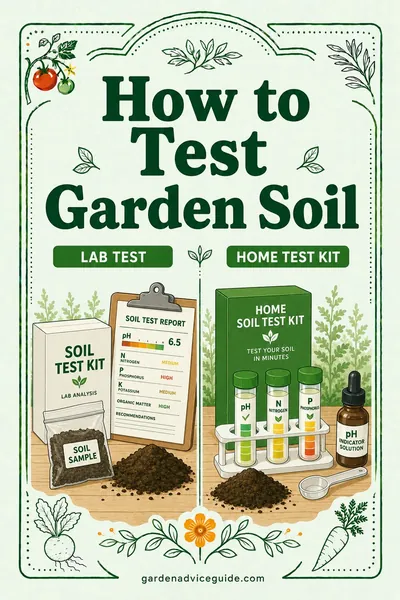
- Get a soil test. Extension labs are slow in spring and fast in fall, and lime takes months to change pH, so fall is when amendments actually have time to work.
- Spread compost and shredded leaves on empty beds. Don't till them in; let winter and worms do it.
- Plant something to hold the soil. Bare ground erodes and leaches nitrogen all winter. Even a scruffy stand of cereal rye beats nothing.
- Dig tender bulbs once frost blackens the foliage: dahlias, cannas, gladiolus, caladium. This is also the month to pot a bulb for Christmas bloom, counting back 6 to 8 weeks from the date you want flowers.
- Clean and oil your tools before they sit in a damp shed for six months.
- Write down what worked. The variety names you swear you'll remember, you won't.
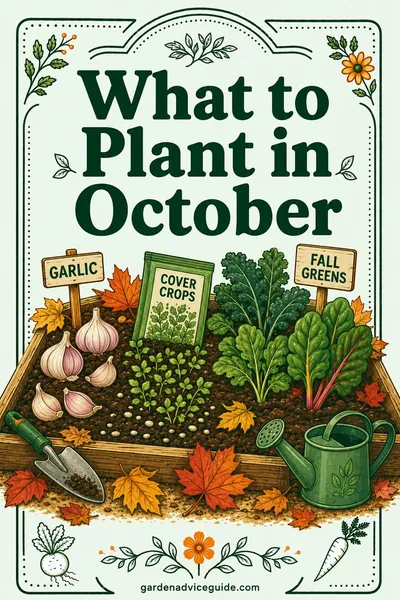
Once October arrives the list shifts again, mostly toward garlic, bulbs, and season extension. Our companion guide covers what to plant in October zone by zone.
FAQ
What can I plant in September if my first frost is only 3 weeks away?
Radishes, arugula, baby spinach, and baby mustard greens can all reach usable size in about 3 weeks, and all four handle a light frost anyway. Beyond those, switch to jobs that don't need to finish this year: garlic, spring bulbs, cover crops, and perennials. Those are the highest-return September plantings in a short-season garden.
Is September too late to plant vegetables?
Not in any US zone, though what qualifies changes a lot. Zones 3-5 are down to fast greens and radishes; zones 6-7 have a solid month of hardy greens and roots; zones 8-9 are starting their main fall season; zones 10-11 are planting tomatoes and beans. The mistake isn't planting in September, it's planting the wrong crop for your zone.
What plants grow in September indoors?
Herbs are the reliable ones: basil, chives, parsley, mint, and thyme all do fine in a bright south-facing window or under a cheap grow light. Salad greens and microgreens work too, since they don't need to flower or fruit. Skip indoor tomatoes and peppers, which need far more light than a windowsill gives.
Can I plant tomatoes in September?
Only in zones 10-11, where September is the start of the fall tomato season and you set out transplants for a December harvest. In zones 9 and below there isn't enough frost-free time left, since even a fast transplant needs 60 to 85 days plus the fall factor. Everywhere else, September tomatoes are a greenhouse project.
What do you plant in September for spring?
Garlic in zones 3-6, spring-flowering bulbs (daffodils, crocus, muscari, alliums, and tulips in cold zones), perennials and shrubs, cool-season lawn seed, and overwintering spinach. All five use fall for root establishment and winter for dormancy, then arrive in spring weeks ahead of anything you plant in March.
Is September a good time to plant grass seed?
For cool-season grasses it's the best time of the year. Soil is still warm enough to germinate seed in 14 to 21 days, nights are cool, rainfall usually picks up, and crabgrass has quit competing. Seed at least 45 days before your first hard freeze. Warm-season grasses like Bermuda and zoysia are the opposite and should be planted in late spring.
What cover crop should I plant in September?
Cereal rye is the safest choice almost everywhere because it germinates in cold soil and can be sown very late. Oats and field peas winter-kill in cold zones, which makes spring cleanup easy, but they need 4 to 6 weeks of growth first, so sow those early in the month. Hairy vetch and crimson clover add nitrogen and suit zones 6 and warmer.
Can I still plant perennials and shrubs in September?
Yes, and in most of the country fall beats spring for it. Warm soil plus cool air means the plant puts everything into roots instead of leaves, and it isn't fighting summer heat while it establishes. Give it at least 6 weeks before the ground freezes, water deeply until then, and mulch a few inches over the root zone.
Updated August 2026