How to Grow Onions

Onion bulb size is set by day length, not by fertilizer, so the single most important thing you do is buy the right day-length type for your latitude: long-day above roughly 37 degrees north, short-day below about 35 degrees, intermediate in the band between. After that, give each plant 4 to 6 inches of elbow room, feed nitrogen hard until the bulbs start swelling and then stop completely, and keep the water steady. Cure the bulbs for 2 to 3 weeks in warm dry shade before storing.
Most disappointing onion crops are not a care problem. They are a shopping problem. The gardener bought the wrong type for their latitude, and no amount of compost, water, or attention can fix that after planting.
Crowding is the other big one. Check your row and plant spacing with our free plant spacing calculator before you set out a single plant.
Day Length Decides Whether You Get a Bulb
An onion plant does two things in sequence. First it grows leaves. Then, when daylight hits a specific number of hours, it stops making leaves and pushes everything it has stored into the bulb.
That switch is the whole game. Every leaf the plant grew before the switch flipped becomes one ring in the finished onion. Thirteen leaves at trigger time gives you a softball. Six leaves gives you a shallot-sized disappointment. Nothing you do after the switch adds rings.
Varieties are wired to different triggers:
- Long-day onions bulb at 14 to 16 hours of daylight.
- Intermediate-day onions, often sold as day-neutral, bulb at 12 to 14 hours.
- Short-day onions bulb at 10 to 12 hours.
Day-length type by latitude
| Your latitude | Rough US line | Type to buy | Common varieties | Typical bulb size |
|---|---|---|---|---|
| Above 40 degrees N | Northern IA, Chicago, Boston, Portland OR | Long-day | Walla Walla, Copra, Patterson, Yellow Sweet Spanish | 3 to 5 inches |
| 37 to 40 degrees N | Kansas City, St. Louis, Denver, Philadelphia | Long-day, intermediate as backup | Redwing, Candy, Ailsa Craig | 3 to 4 inches |
| 35 to 37 degrees N | Tulsa, Nashville, Albuquerque, Bakersfield | Intermediate | Candy, Red Candy Apple, Sierra Blanca | 3 to 4 inches |
| 32 to 35 degrees N | Dallas, Atlanta, Phoenix, Los Angeles | Short-day, intermediate in cool springs | Texas Early Grano, Yellow Granex, Southern Belle | 3 to 4 inches |
| Below 32 degrees N | Houston, New Orleans, Tampa, San Diego | Short-day | Texas Early Grano, Granex, White Bermuda | 3 to 4 inches |
Latitude matters here, not your USDA zone. Zone tracks winter cold, and day length tracks how far north you are. Coastal zone 8 in Oregon and zone 8 in Georgia are the same on a hardiness map and completely different on a daylight chart. If you have just moved and are not sure where you sit, confirm your climate data in our growing zones lookup and then check a latitude map, because they answer different questions.
What actually happens when you plant the wrong type
Long-day onions in the South. Daylight never reaches 14 hours during the growing season, so the bulbing switch never flips. You get tall handsome green tops all season and a bulb barely thicker than the neck. Many gardeners pull these in July assuming they needed more fertilizer. They did not. They needed a different bag of onions.
Short-day onions in the North. The opposite failure. The 10 to 12 hour trigger fires in early spring, while the plant still has five or six small leaves, so it bulbs immediately and stops. You get a golf ball in June, months before the season would have run out.
Texas A&M AgriLife Extension has published on this for decades because it is the number one reason southern onion patches fail. You can read their vegetable guidance at AgriLife Extension. If your local garden center is small and well run, its onion rack is usually already filtered for your latitude. Mail-order racks and big box stores are not, so read the tag.
Sets vs Transplants vs Seed
Three ways to start onions, and they are genuinely different products with different ceilings.
| Starting method | Relative cost per 100 plants | Reliability | Realistic bulb size | Best for |
|---|---|---|---|---|
| Sets, small dormant bulbs | Cheap, sold by the mesh bag | Very high, they almost always grow | 2 to 3 inches, sometimes larger | Scallions, beginners, short seasons, forgiving planting dates |
| Transplants, pencil-thick bare-root seedlings | Roughly three times the cost of sets | High, expect 85 to 95 percent to take | 3 to 5 inches | Big storage bulbs with the least work |
| Seed started indoors | Cheapest per plant by a distance, one packet goes a long way | Moderate, depends on your setup | 3 to 5 inches | Variety choice, lowest cost per plant, gardeners who already start seeds |
Sets are the little dry bulbs in the mesh bag. They are foolproof to plant and forgiving about timing, which is why every hardware store sells them. Their weakness is bolting. A set is a second-year onion, and a second-year onion wants to flower. Sets bigger than about three-quarters of an inch across bolt at a high rate. Sort the bag and plant the small ones, roughly dime-sized or under, for bulbs. Plant the fat ones close together and pull them young as green onions, which is the best use for them anyway.
Transplants are the sensible choice for most gardens. They arrive looking dead: a bundle of limp, dry, scallion-sized seedlings tied with a rubber band. That is normal. They will sit dormant for up to 3 weeks in a cool dry spot and still grow. Because they were seeded months earlier under professional conditions, they hit the bulbing switch with far more leaves than a set does, and that is where the extra 2 inches of diameter comes from.
Seed gives you the best variety selection and the lowest cost per plant, but onions are slow. Start them 10 to 12 weeks before your last frost, which is earlier than almost anything else on the bench. Our seed starting guide covers the light and temperature setup, and the frost date lookup gives you the date to count back from. Sow thickly in an open flat rather than in cells, trim the tops to 4 inches when they flop, and separate the seedlings at planting like you would a clump of grass.
When to Plant and When to Harvest
Timing has its own full guides, so here is the short version.
Set out onion transplants and sets 2 to 4 weeks before your average last spring frost. Rooted young onions handle temperatures down to about 20F, so early planting is an advantage, not a risk. In zones 8 through 10 the calendar flips entirely and onions go in during fall and winter, October through January, for a late-spring harvest. Our full guide on when to plant onions works through the regional windows and the seed-starting countdown.
At the other end, onions tell you when they are done: the necks soften and the tops fall over on their own. When about half the tops have flopped, stop watering and get ready to lift. The complete signal list and the lifting method are in when to harvest bulb onions.
How to Grow Onions Step by Step
- Pick your day-length type using the latitude table above. Do this before anything else.
- Prepare loose, rich soil. Onions have weak shallow roots and cannot push through compaction or crust. Loosen the top 8 to 10 inches and work in 2 to 3 inches of finished compost. Our composting guide covers making your own.
- Aim for pH 6.0 to 6.8. Onions are more sensitive to low pH than most vegetables and sulk below 5.8. A soil test is cheap and takes 20 minutes.
- Plant shallow. Sets go in 1 inch deep with the tip just at the surface. Transplants go in 1 inch deep, no more. Deep planting buries the future bulb and gives you a long neck instead of a wide onion.
- Space at 4 to 6 inches. See the next section, because this is where most of the lost size hides.
- Feed nitrogen every 2 to 3 weeks from planting until bulbing starts, then stop.
- Water 1 inch a week, more in sand, evenly, without long dry gaps.
- Weed constantly but shallowly. Onions lose more yield to weed competition than nearly any other vegetable because they cast almost no shade. Hand pull or scuffle the surface. Do not hoe deep near the plants, since the feeder roots sit in the top 6 inches.
- Stop watering when half the tops fall. Let the soil dry for the last week.
- Cure for 2 to 3 weeks, then trim and store.
Spacing: The Second Biggest Size Limiter
After day length, crowding costs more bulb size than anything else. Onions do not fight for space by getting taller, they simply stop expanding when they hit a neighbor. The bulb grows to the room it has.
| Plant spacing | Row spacing | What you get | Plants per 32 sq ft bed |
|---|---|---|---|
| 2 inches | 12 inches | Scallions, pull young | 190 to 290 |
| 3 inches | 12 inches | Small bulbs, 1.5 to 2.5 inches, good for pickling | 128 |
| 4 inches | 12 to 15 inches | Medium bulbs, 2.5 to 3.5 inches | 96 to 120 |
| 5 to 6 inches | 15 to 18 inches | Full size bulbs, 3.5 to 5 inches | 64 to 90 |
A useful trick: plant at 2 to 3 inches on purpose, then harvest every other plant as a green onion in early summer. You get scallions in June and full-size bulbs from the survivors in August, out of the same bed. This only works if you actually thin. Deciding in July that they look fine is how you end up with 200 two-inch onions.
Run your own bed numbers through the plant spacing calculator and you will usually find you can plant fewer onions and harvest more pounds.
Feeding: Nitrogen Early, Then Stop
Onions are heavy nitrogen feeders during the leaf phase, and every leaf becomes a ring. So you push nitrogen hard early.
From planting to the start of bulbing: side dress every 2 to 3 weeks with a nitrogen source such as blood meal, feather meal, fish emulsion, or a balanced granular fertilizer. Roughly 1 cup of blood meal scattered along a 10-foot row and scratched in works well. Water it in.
The moment bulbing starts, stop. You will see the change: the soil at the base cracks slightly and the bulb shoulders begin to push up out of the ground. That is your signal.
Late nitrogen is a classic own goal. It tells the plant to keep making leaves at the exact moment you want it converting stored energy into bulb. Three things go wrong at once:
- The bulb finishes smaller, because energy went into new tops.
- The neck stays thick and green instead of drying down, and a thick neck is the entry point for rot.
- Storage life collapses. Onions grown soft on late nitrogen are the ones that mush in the basket by October.
Phosphorus and potassium are different. Work those in before planting, since they move slowly through soil and there is no benefit to a late application. Sulfur is worth a mention too: it drives the pungency compounds, so a sulfur-rich soil makes sharper onions and a sulfur-poor one makes milder ones. That is part of why Vidalias taste the way they do.
Water: Steady Beats Heavy
Onion roots are shallow and sparse, mostly living in the top 6 inches of soil. They cannot go looking for water, so you have to bring it to them.
Target 1 inch per week, and 1.5 inches in sandy soil or during hot spells. Frequent moderate watering beats a weekly flood, because the root zone is shallow enough that a heavy soak mostly drains past it.
What irregular water does:
- Split and double bulbs. A dry spell followed by heavy water makes the plant restart growth, which can produce two or three lobes fused together. Doubles taste fine but store badly.
- Cracked outer scales. Sudden uptake swells the inside faster than the wrapper can stretch. A cracked wrapper is an open door for rot.
- Small bulbs. Every day the plant sits water-stressed is a day it is not adding rings.
- Bitterness and heat. Drought-stressed onions run sharper and harsher.
Mulch is the easy fix. An inch or two of straw between rows steadies the moisture and smothers the weeds that would otherwise steal it. Our watering guide has the per-crop rates and how to check the actual soil moisture instead of guessing.
The one time you want dryness is the end. Once half the tops have fallen, stop irrigating completely. Bulbs sitting in wet soil after that point will not cure well and will rot in storage.
Bolting: Why Onions Flower and What to Do
A bolted onion sends up a thick, hollow, round flower stalk from the center. Once that happens, the plant is finished making bulb and it will never store.
Two causes account for nearly all of it:
1. Vernalization from a cold snap. An onion that reaches roughly pencil thickness and then experiences 1 to 2 weeks below about 45 to 50F reads that cold as a winter, decides it is now in its second year, and flowers. This is why planting too early in a cold spring, or setting out plants that are already too big, causes bolting. Small plants going through the same cold are usually fine, because the plant has to be above a size threshold to register the winter at all.
2. Oversized sets. Same mechanism, arriving in the bag. A set larger than three-quarters of an inch has already stored enough reserves to flower, and it went through a real winter in storage. Sort the bag, plant the small ones for bulbs, use the big ones for scallions.
Prevention, in order of what actually helps:
- Buy small sets or use transplants.
- Plant at the right time, not as early as physically possible.
- Choose bolt-resistant varieties if your springs swing wildly.
- Keep growth steady, since stress of any kind nudges the plant toward flowering.
What to do with a bolted onion: snap off the flower stalk as soon as you spot it. That will not restore the bulb, but it stops the plant from spending anything else on seed. Then pull that onion within a week or two and use it in the kitchen right away. It is perfectly edible. The center will have a tough woody core running through it, so cut that out. Never put a bolted onion in the storage crate, because the hollow stalk channel goes soft and rots, and one rotting onion will take a shelf of neighbors with it.
Curing and Storage
Curing is what separates onions that last until March from onions that go slimy by Halloween. It is a drying process with one goal: seal the neck and set the papery outer skins.
How to cure:
- Lift the bulbs on a dry day, roots and tops still attached. Do not wash them and do not knock the soil off with force. Bruises rot.
- Lay them in a single layer somewhere warm, dry, dark, and airy. A covered porch, a garage with a fan, a shed, or racks under a carport. Aim for 75 to 80F with real airflow.
- Keep direct sun off them. Sun scalds the outer scales, and a scalded onion rots from the burn.
- Give it 2 to 3 weeks. Humid climates take longer. A box fan is the single best upgrade to a slow cure.
- Test the neck. Roll it between your fingers. It should be tight, dry, and papery all the way through, with no soft or cool feeling. That is the finish line.
- Trim the tops to 1 inch and the roots to half an inch, or braid soft-neck types by the dry leaves.
Why a poorly cured onion rots in weeks: the neck is a direct pipe into the center of the bulb. Until it dries and seals, bacteria and fungi walk straight in, and the moisture inside gives them everything they need. An onion that looks fine going into the crate can be soft at the core 3 weeks later because the neck never closed. The thick-necked onions, especially any that got late nitrogen or bolted, are the ones that fail first. Sort those out and eat them now.
Storage conditions: cool, dry, and dark. 32 to 40F at 65 to 70 percent humidity is ideal, but a cool closet or an unheated back room at 50 to 60F works acceptably. Use mesh bags, slatted crates, or open baskets so air moves. Never a sealed plastic bag.
| Onion type | Sulfur and pungency | Expected storage life |
|---|---|---|
| Sweet, Vidalia and Walla Walla types | Low | 4 to 8 weeks |
| Standard yellow, Candy and similar | Medium | 3 to 4 months |
| Storage yellow, Copra and Patterson types | High | 6 to 10 months |
| Red onions | Medium to high | 3 to 5 months |
| White onions | Medium | 3 to 4 months |
The rule of thumb: the sharper the onion, the longer it keeps. Sweet onions have less sulfur and more water, which is exactly the combination that spoils. Eat those first and store the pungent ones.
Do not store onions with potatoes. Onions give off moisture, potatoes give off ethylene, and each shortens the other's life.
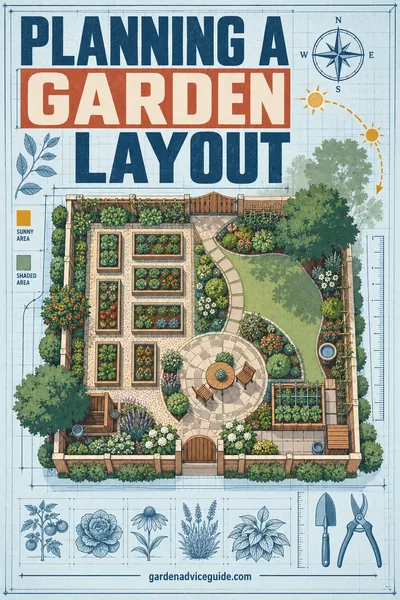
Worked Example: A 4x8 Raised Bed
You have one 4 foot by 8 foot raised bed, 32 square feet, and you live near Kansas City at about 39 degrees north. Long-day onions.
Layout. Skip rows and use a grid, since raised beds do not need walking paths. At 6 inch centers you fit 8 across the 4 foot width and 16 down the 8 foot length, so 128 plants. At 4 inch centers you would fit 288, but they would finish at 2.5 inches instead of 4 inches.
Do the yield math both ways. A 4 inch bulb weighs roughly 8 to 10 ounces. A 2.5 inch bulb weighs about 3 ounces.
- 128 plants at 6 inches: 128 x 9 oz = 1,152 oz = 72 pounds
- 288 plants at 4 inches: 288 x 3 oz = 864 oz = 54 pounds
Fewer plants, more onions. That is the whole spacing argument in one line, and it also gives you bulbs big enough to be worth peeling.
Cost. Two bundles of transplants, at roughly 60 to 70 plants per bundle, covers the whole bed with a few spares. The compost you already have. That is the entire outlay, and 72 pounds of storage onions is worth several times what two bundles of bare-root seedlings cost at any supplier, in any year. Onions are one of the few crops where the home-grown-versus-store-bought argument is not close.
Season. Set the transplants out mid to late March, 2 to 4 weeks before the mid-April last frost. Side dress with blood meal on April 5, April 20, May 5, and May 20. Watch for shoulders emerging and soil cracking around mid to late June, and stop feeding that day. Water 1 inch a week the whole time. Tops start falling mid-July. Stop watering, lift a week later, cure on the covered porch with a box fan until early August.
Soil volume, if the bed is new. A 4 x 8 bed 10 inches deep needs 32 x 0.83 = about 26.6 cubic feet, or just under 1 cubic yard. Our raised bed soil calculator does the mix ratios and the bagged versus bulk cost comparison.
FAQ
Why are my onions so small?
Almost always one of three things: the wrong day-length type for your latitude, plants spaced closer than 4 inches, or a late start that left too few leaves before the bulbing switch flipped. Fertilizer is rarely the answer, and adding more nitrogen after bulbing starts actively makes it worse. Check the day-length type first, because that one cannot be fixed mid-season.
Can I plant onions from the grocery store?
You can plant a sprouting supermarket onion, but you will get flowers and green onions, not a new bulb. A mature onion is already a finished second-year plant, so it goes straight to seed. Use it for scallions or let it flower for the pollinators, and buy sets, transplants, or seed if you want bulbs.
Should I bend the tops over to make bulbs bigger?
No. Bending or stomping the tops was old standard advice and research has not supported it. Breaking the tops early cuts off the leaf energy still flowing to the bulb and opens a wound at the neck, which invites the rot you were trying to avoid. Wait for the tops to fall on their own, which is the plant telling you it is finished.
How much sun do onions need?
At least 6 hours of direct sun, and 8 or more is better. The bulb is stored leaf energy, so shade directly shrinks it. Onions are also poor competitors, so keep them away from the shadow of tomatoes, corn, or trellised beans when you plan the bed.
Can I grow onions in containers?
Yes, with limits. Use a pot at least 10 inches deep and give each bulb onion a full 4 to 6 inches of surface space, so a 14 inch pot holds about 6 to 8 plants. Containers dry out fast and onions hate irregular water, so expect to water more often and accept slightly smaller bulbs. Scallions in containers are easy and work beautifully at 2 inch spacing.
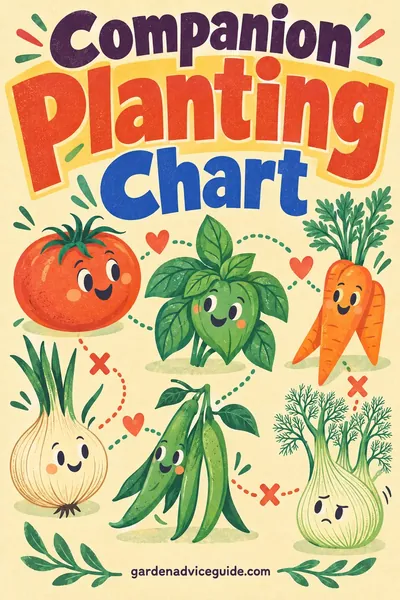
What can I plant next to onions?
Carrots, beets, lettuce, chard, strawberries, and brassicas all pair well, and the leafy quick crops finish before onions need the room. Keep onions away from beans and peas, which historically do poorly next to alliums. Onions also stay in the ground a long time, so plan around them rather than expecting to reuse that space in June.
Why do my onions have thick necks?
Thick necks come from too much nitrogen late in the season, from bolting, or from a variety that simply runs thick. The problem is storage: a thick neck does not dry down and seal, so the bulb stays open to rot. Sort thick-necked onions out of the crate and use them within a few weeks.
How long do onions take to grow?
Figure 90 to 110 days from transplant for short-day varieties and 100 to 120 days for long-day types, or 4 to 5 months from seed. Sets are faster to a usable green onion, about 30 days, but they hit the same bulbing trigger as everything else, so the day-length calendar sets the finish line regardless of when you started.
Updated August 2026
A note on numbers. This page gives you day lengths, spacings, plant counts, feeding dates and curing times, not dollar figures. Sets, transplants and seed are priced by your supplier, your region and the season, and we do not set any of it. Work out what you need here, then price the list at a local garden center or a mail-order grower.