How to Press Flowers: In a Book, in the Microwave and With a Press, Plus Easy Crafts

The easiest way to press flowers is in a book. Lay fresh, dry flowers face down between two sheets of parchment or plain paper, close them inside a heavy book, stack more books on top and wait about 2 to 3 weeks. Thin, flat flowers such as pansies, violas and ferns press best. If you are short on time, the microwave method flattens and dries them in a few minutes.
Either way, you end up with flat, papery flowers that are perfect for cards, bookmarks, framed art and Valentine's crafts. This guide covers which flowers to pick and when, each of the three methods step by step, how to keep the colors bright, and a few flowers you can grow next year just for pressing.
Key facts
- Book pressing takes about 2 to 3 weeks; thin flowers 1 to 2, thick ones 3 to 4.
- The microwave takes seconds to a few minutes, in short 15 to 30 second bursts.
- Pick flowers on a dry day, after the morning dew has gone.
- Blues, purples, pinks and yellows keep their color best; whites turn cream.
- Swap in fresh, dry paper after the first week to prevent browning.
The Pressing Timer below has two dropdowns. Pick your flower type (thin, flat flowers and leaves such as pansy, viola, fern and single petals; medium flowers such as daisy, cosmos, larkspur and hydrangea florets; or thick flowers such as rose, carnation and tulip), then your method: heavy book, microwave or flower press. You get about how long pressing takes and how to set it up.
Garden Advice Guide · free calculator
Pressing Timer: Drying Days for Your Flower and Method
Pick your flower and how you're pressing it. You get about how long it takes and how to set it up.
Need more? Open the free Frost Dates.
 Planting Zones
 Frost Dates
 Planting Calendar
Quick reference: which flowers press well
| Presses easily | Takes a little care | Tricky |
|---|---|---|
| Pansies and violas | Daisies and small asters | Roses (press petals or halves) |
| Ferns and small leaves | Cosmos | Carnations |
| Larkspur and delphinium florets | Hydrangea florets, one at a time | Tulips |
| Single petals of any flower | Queen Anne's lace | Thick succulents |
| Small, flat-faced wildflowers | Small daffodils, flattened gently | Lilies |
Picking flowers for pressing
The best flowers for pressing are flat, thin and fairly dry. Bulky flowers full of water are harder, because they take longer to dry and tend to brown or mold before they finish. Garden flowers and store-bought bouquets both work. If you are picking from the garden, go out on a dry day, mid morning after the dew has dried and before the hot afternoon wilts them. Damp petals are the number one cause of brown spots.
Choose flowers that have just opened, not ones past their prime. Petals that are already loose will drop during pressing. Pick a few more than you need, because some will fold or tear. Trim the stems short and remove extra leaves, but press a few leaves on their own too. Fern fronds, small ivy leaves and herb sprigs fill out any design. Press flowers the same day you pick them, ideally within an hour or two.
How to press flowers in a book
You'll need a big, heavy book you don't mind marking, such as a dictionary or old textbook, parchment paper or plain printer paper, more books or another heavy object, and some patience. Avoid textured paper towels, which leave a pattern on the petals.
Open the book near the middle and lay down a sheet of paper. Arrange the flowers face down in a single layer, not touching, and gently flatten each one with your fingers. Cover with a second sheet of paper and close the book carefully so nothing shifts. Stack several more books on top. You can press several layers in one book by leaving about 1/8 inch of pages between each sheet sandwich.
Check once after about a week. If the paper feels damp, swap in fresh, dry sheets so the flowers don't brown or mold, then close it up again. Most flowers are ready in about 2 to 3 weeks in total: about 1 to 2 weeks for very thin ones like violas and 3 to 4 weeks for thicker ones. They are done when they feel dry and papery and lift off the paper without bending. Lift them with tweezers, since they are fragile.
Bulky flowers in a book
For a rose, carnation or big daisy, slice the flower in half from top to bottom with a sharp knife and press each half cut side down, or press single petals. For flowers with a thick center, such as a large daisy, gently squash the center with your thumb before pressing so the petals lie flat. Expect these to take the full 3 to 4 weeks, with an extra paper change.
How to press flowers in the microwave
The microwave method takes minutes instead of weeks, and the colors often stay brighter, because the flowers dry before they can fade. An adult should run the microwave for this one. Lay the flowers face down between two sheets of parchment or plain paper on a microwave-safe plate. Set a second microwave-safe plate or flat dish on top as a weight.
Heat in short bursts of 15 to 30 seconds, checking each time and letting the plates cool for a minute between bursts so nothing scorches. Thin flowers may take 30 to 60 seconds in total, and thicker ones a couple of minutes. Stop as soon as they feel dry and papery. Then slip them into a book for a day or two to finish flattening. Never leave the microwave running unattended, and never use anything metal, including staples or foil.
Using a flower press
A flower press is two flat boards with layers of cardboard and blotting paper between them, tightened with screws, wing nuts or straps. It works like the book method with more even pressure, and you can fit lots of flowers in at once. Layer it from the bottom up: board, cardboard, blotting paper, flowers, blotting paper, cardboard, and repeat. Tighten the corners evenly, a little at a time, so the pressure stays flat. Check after a week and change any damp paper.
You can make a simple press at home from two squares of plywood about 9 by 9 inches, four long bolts with wing nuts, and cardboard cut to fit inside the bolts. Drill a hole in each corner of both boards, push the bolts up through, layer your flowers and screw the wing nuts down. It is a nice weekend project to make with kids.
Keeping the colors bright
Some colors hold up better than others. Blues, purples, pinks and yellows usually keep their color well, which is why pansies, violas, larkspur and delphinium are such favorites. White flowers often turn cream or tan, and deep red can darken toward brown or near black. Green leaves tend to fade to a soft olive. That's part of the charm, but it helps to know before you choose flowers for a special project.
Fast drying keeps color best. Pick dry flowers, use absorbent paper, change it after the first few days if the flowers are juicy, and keep the book somewhere warm and dry rather than in a cool basement. The microwave tends to give the brightest results of all. Once finished, sunlight is the main enemy, so display pressed flower art out of direct sun.
Grow your own pressing garden
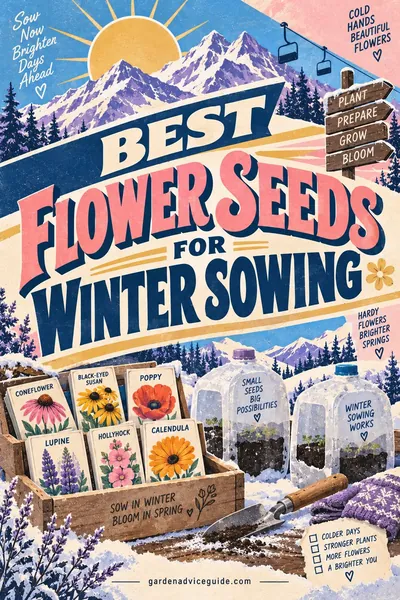
If you love pressing, a small patch of the right flowers gives you more than you can use. Pansies and violas are top of the list, and in many areas they can be sown in winter for spring flowers; our guide to the best flower seeds for winter sowing covers them. Larkspur, cosmos, cornflowers and small daisies are easy summer annuals from seed, and our perennials that bloom all summer list adds longer-lived options. Ferns, hydrangea florets and herb leaves round things out, and our hydrangea care guide helps you keep those blooming.
Here's a worked example of timing. In zone 6, with a last frost around April 20, you would start pansy seeds indoors in late January to early February, about 10 to 12 weeks ahead, and set the plants out in early April since they handle light frost. Cosmos and larkspur go in later: larkspur seed as soon as the soil can be worked in March, and cosmos after the last frost in late April or May. That gives pressing flowers from April right through to fall. Check your own dates with our frost date lookup or the when to plant tool, and our seed starting calculator counts back from your last frost for you.
Birth flowers make thoughtful pressed keepsakes too. Violets for February, small daffodils for March, larkspur for July and cosmos for October all press well, and the dark blooms in our chocolate cosmos guide press into rich burgundy shapes. Our guide to birth flowers by month lists every month's flowers and how to grow them.
Pressed flower crafts for Valentine's Day
Valentine's Day 2027 falls on Sunday, February 14, and pressed flowers make sweet handmade gifts for family, friends, classmates and teachers. For a card, glue a pressed pansy or a heart made of petals to the front of a folded card with a thin layer of craft glue, applied with a toothpick. For bookmarks, arrange flowers on a strip of cardstock, then cover with clear self-adhesive sheets or laminate them.
Framed art is easy with a floating frame, which sandwiches the flowers between two panes of glass so they seem to hover. Window hearts are a fun kids' project: lay petals on a heart cut from clear contact paper, then seal it with a second sheet and tape it to a sunny window for a few weeks. A single tiny flower on a gift tag or place card is simple and lovely. Pressed flowers also look pretty next to a slice from a dried orange garland on a winter card.
Storing and displaying pressed flowers
Keep finished flowers flat between sheets of paper in a book, folder or shallow box, in a cool, dry place. Label each sheet with the flower and date if you are building a collection. Add a silica gel packet if your home is humid. Stored this way, pressed flowers last for years. Finished crafts last longest out of direct sunlight and away from bathrooms and kitchens, where steam softens them.
Common mistakes and quick fixes
Pressing wet flowers is the most common mistake, and it causes browning and mold, so pick dry or gently pat flowers dry first. Overlapping flowers stick together and tear when you separate them, so leave space. Peeking too often lets petals shift and wrinkle, so check only once a week. Pressing a whole rose rarely works because it is too thick; press petals or halves instead. And skipping the paper change after the first week is the main reason juicy flowers brown.
Safety with kids and pets
Flower pressing is a lovely activity for children, with a couple of simple rules. An adult should handle the microwave and any knife used for slicing thick flowers. Wash hands after handling garden flowers, since some are toxic if eaten. Larkspur and delphinium, for example, are on the ASPCA toxic list for pets and shouldn't be nibbled by kids either. Lilies are very dangerous to cats, even the pollen, so keep lily bouquets and pressed lily crafts out of homes with cats; our list of houseplants safe for cats has gentler picks. For year-round garden timing, try the free frost date and zone tools on our home page.
Quick answers about pressing flowers
How long does it take to press flowers in a book?
About 2 to 3 weeks for most flowers. Very thin ones like pansies and violas can be ready in 1 to 2 weeks, while thick ones like rose halves take 3 to 4 weeks. Swap in fresh, dry paper after the first week, and the flowers are done when they feel dry and papery.
What flowers are best for pressing?
Flat, thin flowers press best: pansies, violas, ferns, larkspur, delphinium florets and single petals of any flower. Daisies, cosmos, small asters and hydrangea florets also work well with a little care. Bulky flowers like roses, carnations and tulips are easier to press as halves or single petals.
Can you press flowers in the microwave?
Yes. Place them face down between parchment or plain paper on a microwave-safe plate, put a second plate on top, and heat in 15 to 30 second bursts, letting it cool between bursts, until the flowers feel dry. Then rest them in a book for a day or two. An adult should run the microwave.
Why did my pressed flowers turn brown?
Usually because they were damp when pressed, or the paper stayed wet too long. Pick flowers on a dry day after the dew has gone, use absorbent paper, and change it after the first week. Keep the book somewhere warm and dry. Some flowers, especially white ones, naturally fade to cream or tan.
Can you press roses?
Whole roses are too thick to press well in a book. Slice the rose in half from top to bottom and press each half cut side down, or press single petals and rebuild a flat rose shape later. Rose petals often press best in the microwave, which keeps their color brighter.
Do pressed flowers keep their color?
Many do, especially blues, purples, pinks and yellows. Whites tend to turn cream and deep reds can darken. Fast drying keeps the most color, so the microwave often gives the brightest results. Once finished, keep pressed flowers and framed art out of direct sunlight, which slowly fades them.
What can I make with pressed flowers?
Cards, bookmarks, framed art in a floating frame, gift tags, place cards and window hearts made with clear contact paper. They make sweet handmade gifts for Valentine's Day, birthdays and Mother's Day. A pressed birth flower in a small frame is a thoughtful keepsake for someone special.