Birth Flowers by Month: What Each Flower Means and How to Grow It in Your Zone

Every month has its own birth flowers, and most months have two. January has the carnation and the snowdrop, February the violet and primrose, March the daffodil and jonquil, April the daisy and sweet pea, May lily of the valley and hawthorn, and June the rose and honeysuckle. Summer and fall bring larkspur and water lily for July, gladiolus and poppy for August, aster and morning glory for September, marigold and cosmos for October, and chrysanthemum and peony for November. December closes the year with holly and narcissus.
The meanings are old customs, not rules, and lists vary a little. What I like most is that you can grow almost all of them. Below, each month gets its meaning, how to grow it, when it blooms in your zone and a gift idea that lasts longer than a bouquet.
Key facts
- Most months have two birth flowers; lists vary a little by source.
- Fall-planted bulbs cover January, March and December birthdays.
- Easy summer annuals from seed: larkspur, cosmos, marigold and morning glory.
- Your USDA zone decides when each flower blooms and whether it comes back.
- Several birth flowers are toxic to pets, so check before you gift.
The Birth Flower Checker by Zone below has two dropdowns. Pick the birth month from January to December, then pick your zone: Zone 3 or 4, Zone 5 or 6, Zone 7, Zone 8, or Zone 9 or warmer. You get when to plant that month's two flowers, about when they bloom where you live, and whether each one is hardy in your area. If you don't know your zone, look it up first with our planting zone finder by ZIP code.
Garden Advice Guide · free calculator
Birth Flower Checker by Zone: Every Month's Flowers in Your Garden
Pick a birth month and your zone. You get when to plant that month's two flowers, when they bloom where you live and whether each one is hardy there.
Need more? Open the free Frost Dates.
 Planting Zones
 Frost Dates
 Planting Calendar
Quick reference: birth flowers for every month
| Month | Birth flowers | Easiest way to grow or give it |
|---|---|---|
| January | Carnation, snowdrop | Carnation bouquet; snowdrop bulbs planted in fall |
| February | Violet, primrose | Potted primrose, planted out in spring |
| March | Daffodil, jonquil | Bulbs planted in fall, or a forced pot |
| April | Daisy, sweet pea | Sweet pea seeds sown in early spring |
| May | Lily of the valley, hawthorn | Pips planted in shade (toxic, so take care) |
| June | Rose, honeysuckle | A potted rose to plant out |
| July | Larkspur, water lily | Larkspur seed sown in fall or early spring |
| August | Gladiolus, poppy | Gladiolus corms after last frost |
| September | Aster, morning glory | A potted aster or vine seeds |
| October | Marigold, cosmos | Seed packets sown after last frost |
| November | Chrysanthemum, peony | A garden mum, or peony roots in fall |
| December | Holly, narcissus | A pot of paperwhites or a young holly |
Winter birthdays: December, January and February
December: holly and narcissus
Holly traditionally stands for protection, good cheer and a happy home, and narcissus for hope and good wishes for a fresh start. The narcissus most people give in December is the paperwhite, which needs no chilling: set the bulbs on pebbles with water just touching their base, and they flower in about 4 to 6 weeks. Plant a bowl in mid November for a mid December birthday; our guide to forcing paperwhites has the details. Holly is a garden shrub for spring or fall planting. American holly is hardy in about zones 5 to 9, and only female plants berry, with a matching male nearby. See our holly growing guide, and in zones 3 and 4 try the deciduous winterberry holly is the red-berry choice.
January: carnation and snowdrop
Carnations stand for love, admiration and gratitude. Snowdrops stand for hope, because they bloom in the coldest weeks. Snowdrop bulbs go in during fall, about September to November, 3 inches deep in part shade under deciduous trees, and they bloom about January to March. They like a real winter and are happiest in about zones 3 to 7. Carnations go out in full sun after your last frost, from seed started indoors 6 to 8 weeks earlier. Florist carnations are perennial in about zones 7 to 9 and are grown as annuals farther north.
February: violet and primrose
Violets traditionally mean modesty, faithfulness and loyalty, and primroses mean youth and new beginnings. A potted primrose is the easiest February gift. Keep it cool, about 50 to 65°F, bright and evenly moist, then plant it in part shade once frosts are over. Garden primroses are hardy in about zones 4 to 8. Sweet violets grow in about zones 5 to 9 in part shade. In zones 7 to 9, the cousins violas and pansies planted in fall bloom right through winter.
Spring birthdays: March, April and May
March: daffodil and jonquil
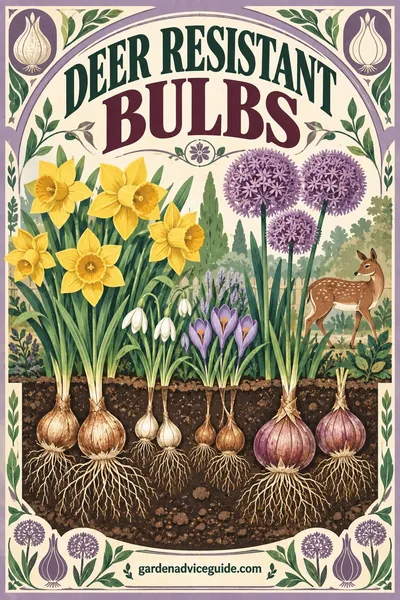
The daffodil stands for new beginnings, hope and cheer, and the jonquil, a small, fragrant daffodil, for affection. Plant bulbs in fall in sun and well-drained soil, about 6 inches deep and 3 to 6 inches apart, pointy end up. Zone 8 usually sees flowers in February, zone 6 in late March and zone 4 in April or May. Leave the leaves until they yellow, about six weeks after bloom, because they feed next year's flowers. Our step-by-step guide to planting daffodil bulbs has depths and spacing; deer usually skip them, as our deer resistant bulbs list notes.
April: daisy and sweet pea
The daisy is traditionally a symbol of innocence and fresh starts, and the sweet pea of thanks and delicate pleasure. Plant daisies in sun in spring, or start seed indoors 6 to 8 weeks before your last frost. Sweet peas are climbing annuals that love cool weather. Soak the seeds overnight, sow them about an inch deep as soon as the soil can be worked, or in fall in mild zones, and give them netting to climb. Summer heat ends the show.
May: lily of the valley and hawthorn
Lily of the valley stands for sweetness and the return of happiness, and hawthorn, often called the mayflower, for hope in some traditions. Lily of the valley grows from pips planted about an inch deep in shade and moist soil, in early spring or fall, and does best in about zones 3 to 7. Every part of it is poisonous, including the red berries and the water in a vase, so plant it away from pets and small children and wear gloves when you dig it. Our page on lily of the valley and deer covers how it fares in the garden. Hawthorn is a thorny small tree for sun; keep it away from play areas.
Summer birthdays: June, July and August
June: rose and honeysuckle
Rose meanings go by color: red for love and respect, pink for gratitude, yellow for friendship and white for new beginnings. Honeysuckle stands for devotion and lasting bonds. Roses want at least 6 hours of sun and good airflow. Plant bare-root roses in late winter to early spring. Our guide to types of roses helps you pick one that fits your space. Honeysuckle is a vine loved by hummingbirds, but some kinds are invasive in parts of the US, so ask your local cooperative extension office for a native type before you plant.
July: larkspur and water lily
Larkspur is traditionally linked with lightheartedness and an open heart, and the water lily with purity. Larkspur is a cool-season annual that hates being moved, so sow it right where it will grow. Scatter seed in late fall in zones 7 and warmer, or in very early spring farther north, and cover it with about 1/8 inch of soil, since the seeds sprout best in darkness. It blooms in late spring in the South and early to mid summer in the North. Water lilies grow in a pond or a watertight tub at least 18 inches deep, in full sun. Plant hardy water lilies in a pot of heavy garden soil, not potting mix, and set it 12 to 18 inches below the surface after your last frost. They bloom from early summer into fall.
August: gladiolus and poppy
The gladiolus stands for strength and integrity, and the poppy for remembrance and imagination. Glads grow from corms planted 4 to 6 inches deep in full sun after your last frost. They flower about 70 to 90 days later, so plant a few every two weeks for a long show. They are reliably hardy in about zones 7 or 8 and warmer, and farther north you dig the corms in fall and store them indoors. Our page on hardy gladiolus covers the smaller types that survive colder winters. Annual poppies are sown on the soil surface in late fall or very early spring, because the tiny seeds need light and cool weather to sprout. Oriental poppies are perennials for about zones 3 to 7 that bloom in late spring and early summer.
Fall birthdays: September, October and November
September: aster and morning glory
Asters are traditionally linked with love, wisdom and patience, and morning glories with affection. Perennial asters such as New England aster are hardy in about zones 3 to 8. Plant them in full sun in spring or early fall, and pinch them back by half in early summer. They bloom from late summer into October. Morning glories are annual vines. Soak the seeds overnight, sow them 1/4 to 1/2 inch deep once the soil is warm after your last frost, and give them a fence or trellis. They bloom from midsummer until frost. They self-sow freely, so deadhead if you don't want seedlings everywhere next year.
October: marigold and cosmos
Marigolds stand for warmth and creativity, and cosmos for harmony and peace. Sow either one about 1/4 inch deep in full sun after your last frost, or start marigolds indoors 6 to 8 weeks earlier. Marigolds bloom about 8 weeks from seed, and cosmos about 7 to 10 weeks, and both keep going until frost. Skip fertilizer on cosmos. In zones 3 and 4, an October birthday can arrive after the first frost, so cut a bunch to bring indoors before the cold night.
November: chrysanthemum and peony
Chrysanthemums are traditionally linked with friendship, joy and long life, and peonies with a happy life and good fortune. Garden mums are hardy in about zones 5 to 9 and come back most reliably when planted in spring. Pinch the tips until early July for a bushy plant that flowers from September into November. Our fall mums care guide explains how to keep a potted mum going. Peonies are planted as bare roots in fall, about September to October, with the pink buds, called eyes, no more than 2 inches below the soil. They are hardy in about zones 3 to 8 and bloom in late spring.
A worked example: one birthday, two zones
Say a birthday is in March and you'd like daffodils blooming for it. In zone 6, with a first frost around mid October and a last frost around late April, you would plant bulbs in October. They usually flower in late March to April.
In zone 8, plant in November and expect flowers in February to March, possibly before the birthday. Mixing early, mid and late daffodils stretches the show over six weeks or more, which covers a birthday in either zone. Check your own dates with our frost date lookup before you buy bulbs or seeds.
Gift ideas: potted plants, pressed flowers and seed packets
A cut bouquet is lovely, but a birth flower that grows is a gift that comes back every birthday. Potted plants are the easiest option for winter and spring months. A pot of paperwhites in December, a primrose in February, a forced daffodil pot in March or a mini rose in June all bloom on the day. Add a card with the meaning and a line on care.
Seed packets are perfect for summer and fall birthdays. Larkspur, morning glory, marigold and cosmos seed all come in cheap packets. Tie one to a small clay pot and some potting mix, and write the sowing date for your area on the tag. Our when to plant tool gives you that date from your ZIP code. For bulbs that need fall planting, such as snowdrops and daffodils, give a bag of bulbs with a note promising to plant them together.
Pressed flowers turn any birth flower into a keepsake. Violets, larkspur, cosmos, single rose petals and small daffodils all press well. Frame one in a floating glass frame, glue it to a homemade card or seal it into a bookmark. Our guide on how to press flowers walks through the book, microwave and flower press methods.
Birth flowers and pets
Several birth flowers are not safe for cats and dogs, so check before a pot comes home. The ASPCA lists carnations, primrose, daffodils, lily of the valley, holly, narcissus and chrysanthemums as toxic to cats and dogs, and larkspur and peony are on its toxic list as well. Bulbs are usually the most dangerous part of the narcissus family, and lily of the valley is poisonous to people too. Roses are listed as non-toxic.
Check other flowers on the ASPCA plant lists before gifting. If you share a home with a plant-chewing cat, our list of houseplants safe for cats has gentler ideas. If a pet chews a plant and you're worried, call your vet or the ASPCA Animal Poison Control Center.
Making a birthday bouquet last
Whatever the month, cut flowers last longest with the same few habits. Recut the stems at an angle, strip off any leaves that would sit under water, and use a clean vase with cool water that you change every two or three days. Keep it away from heater vents and the fruit bowl.
Daffodils need one extra step. Freshly cut stems ooze a sap that makes other flowers wilt sooner, so stand them in their own jar overnight, then add them to a mixed bouquet without recutting.
Common mistakes with birth flowers
The most common mistake is waiting until the birthday month to plant. Snowdrops, daffodils and peonies all go in during the fall before, and sweet peas and larkspur want cool weather, so they are sown months ahead. Another is buying a plant that isn't hardy where you live. A florist mum may be an annual in a cold zone, which is fine if you know it.
The third is expecting the plant to bloom on the exact day. A pot or a cut bunch is the sure thing for the day itself, and the garden plant is the gift that keeps coming back. To plan everything else in your garden around your zone, start with the free frost date and zone lookup on our home page.
Quick answers about birth flowers
Which months have spring-blooming birth flowers?
January, February and March flowers (snowdrops, primroses and daffodils) bloom in late winter and spring outdoors, even though the birthdays fall in winter. April and May flowers bloom right on time in most zones. Plant bulbs for all of them the fall before.
Why do some months have two birth flowers?
Birth flowers are a custom that grew over many years in different countries, so lists picked up a second flower for most months. Neither one is more correct. Many people choose whichever flower they like best, or whichever one blooms where they live around the birthday. Treat the lists as a fun guide rather than a rule.
What does my birth flower mean?
Each flower has a traditional meaning from old flower folklore. Carnations stand for love and gratitude, daffodils for new beginnings, roses vary by color, asters for patience, marigolds for warmth and chrysanthemums for friendship and joy. Meanings differ a little between sources, so pick the one that feels right for the person you're giving it to.
Can I grow my birth flower if I live somewhere cold?
Usually, yes. Snowdrops, daffodils, peonies, asters, lily of the valley and Oriental poppies all handle zone 3 or 4 winters. Larkspur, marigolds, cosmos and morning glories grow as summer annuals almost anywhere. Gladiolus corms are dug up in fall and stored indoors. The checker above tells you what is hardy in your zone.
Which birth flowers can I grow from seed?
Sweet peas, larkspur, poppies, morning glories, marigolds and cosmos are all easy from seed sown straight in the garden. Carnations and daisies can be started indoors about 6 to 8 weeks before your last frost. Peonies, daffodils and snowdrops are grown from roots and bulbs instead, because growing them from seed takes years.
What is a good birth flower gift for a winter birthday?
A potted plant that is already in bloom works best. Paperwhites for December, a carnation bouquet or potted snowdrops for January, and a potted primrose for February all flower on the day. Add a bag of bulbs or a promise to plant something together when the weather warms, so the gift grows into the next year too.
Are birth flowers safe for cats and dogs?
Not all of them. The ASPCA lists carnations, primrose, daffodils, lily of the valley, holly, narcissus, larkspur, peonies and chrysanthemums as toxic to cats and dogs. Roses are listed as non-toxic. Check any other flower on the ASPCA plant lists, and call your vet or the ASPCA Animal Poison Control Center if a pet chews one.