Low Light Houseplants: 15 Easy Plants for North Windows, Dim Corners and Dark Rooms

The best low light houseplants are the snake plant, ZZ plant, pothos, cast iron plant and Chinese evergreen. They cope with north windows and dim corners, forgive a missed watering, and keep looking good through the short, gray days of winter. Heartleaf philodendron, parlor palm, peace lily and dracaena are close behind.
One honest catch: low light still means some daylight. No plant lives long in a room with no window unless you add a grow light. And the light in a room is usually lower than it looks to us, because our eyes adjust so well. So the first job is to find out how much light your spot really gets, and then pick the plant.
Key facts
- Light drops fast: 6 feet from a window can be a small fraction of the light at the glass.
- Snake plant and ZZ plant handle the dimmest spots.
- Low light plants need much less water, especially in winter.
- A windowless room needs a grow light for 10 to 12 hours a day.
- Spider plant, cast iron plant, parlor palm and prayer plant are ASPCA non-toxic.
The low-light checker below asks two questions. Pick the direction your window faces: north, east, west, south, or no window at all, as in an interior room or office. Then pick how far the plant sits from the glass: within about 2 feet, about 3 to 6 feet, or more than 6 feet across the room. You get the light level for that spot, the plants that fit it, and a note on winter watering.
Garden Advice Guide · free calculator
Low-Light Plant Checker: What Grows in Your Room
Pick the direction your window faces and how far the plant sits from it. You get the light level, the plants that fit it and a winter watering note.
Need more? Open the free Frost Dates.
 Planting Zones
 Frost Dates
 Planting Calendar
Quick reference: light level by window and distance
| Window | Within 2 ft | 3 to 6 ft | Over 6 ft |
|---|---|---|---|
| South | Bright | Medium to bright | Medium |
| West | Bright | Medium | Low |
| East | Medium | Medium to low | Low |
| North | Medium | Low | Very low |
| No window | Grow light needed | Grow light needed | Grow light needed |
How to tell what light you really have
The easiest test is the shadow test. Around midday, hold your hand about a foot above the spot where the plant will sit and look at the shadow it casts. A sharp, dark shadow means bright light. A soft shadow with fuzzy edges means medium light. A faint shadow you can barely see means low light. No shadow at all means very low light, which only the toughest plants tolerate for long.
These directions are for the Northern Hemisphere. South windows get the most light, especially in winter, when the sun is low and shines far into the room. West windows get strong afternoon sun. East windows get gentle morning sun. North windows get soft, even light all day with no direct sun at all. Trees outside, a porch roof or a building next door can turn any window into a low light window, so trust the shadow test more than the compass.
Light also changes with the seasons. A spot that was medium in June may be low in December, because the days are short and skies are often gray. That is why plants that looked fine all summer often start to struggle around the holidays.
The five toughest plants for dim rooms
The snake plant is the toughest of all. Its stiff, upright leaves store water, so it can go 3 to 6 weeks between drinks in winter. It handles low to very low light and looks sharp in a bedroom corner. Overwatering is the only common way to kill one, so let the soil dry right out between waterings.
The ZZ plant has glossy leaves that look polished with no effort, and thick underground roots that store water. Like the snake plant, it wants to dry out fully, and it handles offices with only overhead lights better than most plants. Our ZZ plant care guide covers yellow leaves and watering.
Pothos is fast-growing and trails beautifully off a shelf. In low light, variegated kinds such as Golden or Marble Queen fade toward plain green, but the plant keeps growing. It roots easily in a glass of water, so you can always make more; see how to propagate pothos.
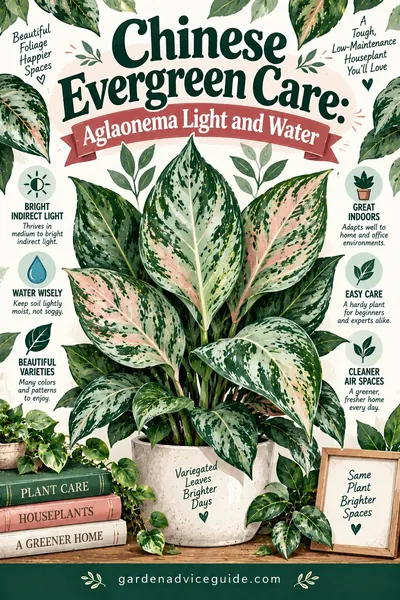
The cast iron plant earned its name. It handles dim, cool rooms, hallways and spare bedrooms, and it grows slowly enough that it rarely needs repotting. The Chinese evergreen has pretty patterned leaves, and the dark green kinds are fine in low light. Pink and red kinds want medium light. Keep it warm, above about 60°F, and away from cold drafts. Our Chinese evergreen care guide explains the warm-room rule.
Ten more plants that cope with less light
Leafy and trailing
Heartleaf philodendron is like pothos with softer, heart-shaped leaves, and it is very forgiving. Arrowhead plant has arrow-shaped leaves that start compact and begin to climb or trail as it matures. Both want water when the top inch or two is dry. Dumb cane, or dieffenbachia, has big, bold leaves and copes with low to medium light, but keep it away from children and pets who chew.
Palms and upright plants
The parlor palm is a soft, small palm that is happy away from direct sun and is pet-safe. Dracaenas, such as the corn plant and the Janet Craig, are tall and tidy and cope with low to medium light. Brown leaf tips on dracaena often come from dry air or salts in tap water, so letting tap water sit overnight or using rainwater can help.
Plants that want medium light
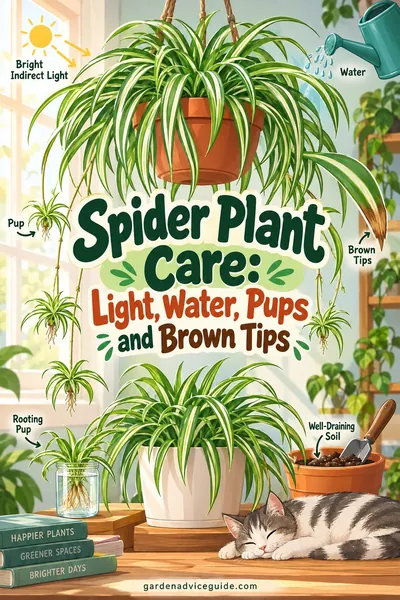
Some popular plants are sold as low light but really do best in medium light, such as right at a north window. The peace lily survives low light but flowers best in medium light, and it droops when thirsty, which makes watering easy; see peace lily care. The spider plant handles a north window and makes baby plants you can root and share; our spider plant care page covers brown tips. The prayer plant folds its leaves up at night and likes humidity; see prayer plant care. Bird's nest fern tolerates dry rooms better than most ferns; water around the center, not into it. Peperomia, with its small chunky leaves, is perfect for a desk near a north window.
Watering in low light: the winter rule
Plants in low light grow slowly and use much less water. In winter, with short days, they slow down even more. Overwatering is the number one way people lose houseplants in December and January. The soil stays wet for weeks, the roots run short of air, and they begin to rot.
Here is a worked example. A pothos 4 feet from an east window in summer might need water every 7 to 10 days. The same pothos in January, in the same spot, may need water only every 2 to 3 weeks. A snake plant 6 feet from a north window might go 4 to 6 weeks. The calendar cannot tell you this; your finger can. Push it into the soil, and water only when the top inch or two is dry, or for snake plant and ZZ plant, when the pot is dry nearly all the way down.
When you do water, water well until it runs out the drainage hole, then empty the saucer. Our watering guide has more on reading soil. Hold the fertilizer in winter, too. Most houseplants rest, and food they cannot use just builds up as salt in the pot. Start feeding again in spring when you see new growth.
Rooms with no window
An office, a windowless bathroom or an interior hallway gets almost no usable light from ordinary room bulbs. Plants there slowly starve, even the tough ones. The fix is simple: a small LED grow light placed about 12 inches above the plant, on a timer for 10 to 12 hours a day. With that, pothos, snake plant, ZZ plant and Chinese evergreen can grow well even in a room with no window. Our grow lights for houseplants chart shows the right distances and hours.
If you cannot add a light, rotate plants. Keep two of the same plant, and swap them between the dark room and a bright window every few weeks. It is an old office trick, and it works.
Signs your plant wants more light
A plant short on light tells you in a few ways. Stems grow long and stretched, with big gaps between the leaves. New leaves come in smaller than the old ones. The whole plant leans hard toward the window. Variegated leaves, the ones with white, yellow or cream stripes or splashes, turn plain green. And the soil stays wet for weeks, because the plant is not growing enough to use the water.
If you see these signs, move the plant closer to the window. Even 2 feet can make a real difference, since light drops so fast as you move back. Wipe dust off big leaves with a damp cloth every month or two, too, because dust blocks light. Keep plants off cold window glass at night, though, and away from heater vents.
Common mistakes with dim-room plants
The biggest mistake is watering on a schedule. A plant in low light might need water every 3 weeks, not every week. Check the soil instead of the calendar. The second is a pot with no drainage hole. Water collects at the bottom and rots the roots. Keep plants in plastic pots with holes, set inside decorative pots, and tip out any extra water.
Another is picking flowering plants for dark rooms. Most flowering plants need medium to bright light to bloom, so a dim room will keep them leafy at best. The peace lily is the main exception. Orchids can bloom in an east window, which counts as medium light; see our orchid care guide. Finally, do not expect fast growth. Slow growth in low light is normal, not a sign that something is wrong.
Pets and low light plants
Some low light plants are safe for pets, and some are not. The ASPCA lists the spider plant, cast iron plant, parlor palm and prayer plant as non-toxic to cats and dogs. Pothos, philodendron, snake plant, peace lily, dracaena, dumb cane and Chinese evergreen are on its toxic lists, so keep those on high shelves or in rooms pets cannot reach. The ZZ plant is best kept away from pets too.
For any other plant, check the ASPCA's plant lists before you buy. If your pet chews a plant and you are worried, call your vet or the ASPCA Animal Poison Control Center. Our houseplants safe for cats guide has a longer list of safe picks.
When your plants outgrow the corner
If a dim room is going well and you want something taller, a kentia palm or a dracaena can fill a corner as a floor plant. Our indoor trees guide lists the tall plants that handle lower light. A Norfolk Island pine, on the other hand, needs much more light than the plants on this page, so give it your brightest window instead.
Many low light plants also enjoy a summer outdoors in deep shade, such as under a porch roof, where they grow faster. Wait until nights stay above about 55°F, a few weeks after your last spring frost. You can look up that date on our frost dates by ZIP code tool. Bring them in before fall nights cool down again. For more free tools, visit the Garden Advice Guide home page.
Quick answers about low light houseplants
What is the best low light houseplant?
The snake plant and ZZ plant are the toughest. Both handle dim corners, go weeks between waterings and rarely complain. Pothos and cast iron plant are close behind. If you have pets, the cast iron plant and parlor palm are safer choices that still cope well with low light.
Can a houseplant live with no window?
Not for long on room lights alone. A room with no window needs a grow light. A small LED grow light about 12 inches above the plant, on a timer for 10 to 12 hours a day, can keep pothos, snake plant or ZZ plant growing well.
What plants are good for a north-facing window?
Right at the glass, try spider plant, prayer plant, peperomia, peace lily, pothos and philodendron. A few feet back, snake plant, ZZ plant, cast iron plant, parlor palm and Chinese evergreen do well. Keep plants within about 2 to 3 feet of the glass for the best results.
How often should I water low light plants in winter?
Much less often than in summer. Check the soil and water only when the top inch or two is dry. For snake plant and ZZ plant, let the pot dry nearly all the way. That can mean every 2 to 6 weeks, depending on the plant and the spot.
Which low light plants are safe for cats and dogs?
The ASPCA lists the spider plant, cast iron plant, parlor palm and prayer plant as non-toxic to cats and dogs. Pothos, philodendron, snake plant, peace lily, dracaena and Chinese evergreen are on its toxic lists, so keep those out of reach.
How do I know if my plant needs more light?
Look for long, stretched stems with gaps between leaves, new leaves smaller than old ones, a hard lean toward the window, and striped leaves turning plain green. Soil that stays wet for weeks is another sign. Move the plant closer to the window or add a grow light.
Do low light plants grow slowly?
Yes, and that is normal. Less light means less energy for new leaves, so a snake plant might add only a leaf or two a season in a dim corner. Slow growth also means less water and almost no fertilizer, which is part of why these plants are so easy.