Victory Garden: What It Was, Why It Mattered and How to Plant One Today

A victory garden is a home vegetable garden. The name comes from the First and Second World Wars, when governments in the United States, Britain, Canada and elsewhere asked families to grow their own food so more of the commercial harvest could go to soldiers and allies. Millions of people dug up backyards, vacant lots, parks and schoolyards and planted beans, carrots, cabbages and tomatoes. Today the name simply means a practical, productive garden that feeds your household.
You do not need much to plant one. A sunny spot, a single raised bed or a few big pots, and a short list of easy crops will get you started. The key is timing each crop from your last spring frost date, so cool-season plants go in early and warm-season plants wait for warm soil. Below you will find the history first, then a simple plan for your own garden.
Key facts
- War gardens began in the US in 1917, during World War I.
- The victory garden name spread near the end of that war.
- Home gardens boomed again in World War II.
- One 4 by 8 foot bed is plenty for a first year.
- Cool crops go in before last frost, warm crops after.
The planner below gives you a starting point. Pick your zone (zones 3 to 5, 6 to 7, or 8 to 10) and your space: containers or a balcony, one raised bed of about 4 by 8 feet, or a large yard plot. You get a starter crop list and when to plant each one, counted in weeks from your last spring frost. To turn those weeks into calendar dates, look up your ZIP code with our frost dates finder.
Garden Advice Guide · free calculator
Victory Garden Planner: Starter Crops and First Planting Dates
Pick your zone and how much space you have. You get a starter crop list and when to plant each, by weeks from your last spring frost.
Need more? Open the free Frost Dates.
 Planting Zones
 Frost Dates
 Planting Calendar
Quick reference: starter crops and when they go in
| Crop | Timing from last spring frost |
|---|---|
| Peas | 4 to 6 weeks before |
| Lettuce | 3 to 6 weeks before |
| Radishes | 3 to 4 weeks before |
| Carrots | 2 to 4 weeks before |
| Tomatoes | Start indoors 6 to 8 weeks before, plant out after |
| Bush beans | 1 to 2 weeks after |
| Cucumbers, zucchini | 1 to 2 weeks after |
| Herbs | Around or after last frost |
How it started: war gardens in World War I
When the United States entered World War I in 1917, much of Europe's farmland had become battlefields and many farm workers were in uniform. Food was badly needed overseas. That spring, a group called the National War Garden Commission, founded by Charles Lathrop Pack, began urging Americans to plant "war gardens" wherever they could. The commission printed posters and simple how-to booklets on planting, canning and drying vegetables, and newspapers carried gardening lessons.
Children took part too. The United States School Garden Army, run through the federal Bureau of Education, encouraged schoolchildren to grow vegetables and called them "soldiers of the soil." Families planted in backyards, company grounds, railroad edges and empty city lots. As the war drew to a close, the commission began calling them victory gardens, and that name is the one that stuck.
World War II and the victory garden boom
The idea returned with even more energy in World War II. Britain launched its Dig for Victory campaign in 1939, turning lawns, parks and sports fields into vegetable plots and allotments. In the United States, home gardening surged after the country entered the war at the end of 1941. Canned foods, sugar and many other groceries were rationed, so fresh vegetables from your own yard stretched the family budget and the ration book.
The government, garden clubs, seed companies and magazines all promoted planting. In 1943, Eleanor Roosevelt had a victory garden planted on the White House grounds. Commonly quoted estimates say Americans planted roughly 20 million victory gardens during the war and grew a large share of the fresh vegetables the country ate, often given as around 40 percent. Exact numbers are hard to pin down, but there is no doubt the effort was huge and widespread.
What families grew and how they kept it
Wartime gardens focused on dependable, filling crops. Beans, peas, beets, carrots, cabbage, Swiss chard, kale, lettuce, onions, squash, tomatoes and turnips were favorites, because they were easy to grow and easy to store. Guides encouraged planting in rows with careful spacing, sowing again as crops were picked, and saving seed where possible.
Keeping the harvest was just as important as growing it. Home canning took off, and many towns set up community canning centers where neighbors shared equipment and learned safe methods. Root crops went into cool cellars, beans were dried, and cabbage was turned into sauerkraut. Neighbors traded surplus vegetables and shared tools. In many places the garden became a shared community project, with friends working side by side in large plots.
After the wars, and why it still appeals
When World War II ended and rationing was lifted, many people stopped gardening as grocery stores filled up again. Some of the community plots became parks or building lots. But the idea never vanished, and the name has come back again and again whenever people want to save money, eat fresher food or simply feel more connected to where their food comes from.
A modern victory garden is about the same things: fresh vegetables picked at their best, a little less spent at the store, time outdoors, and something to share with neighbors. It is also a wonderful family project. Children who help sow peas and pick beans tend to be far more willing to eat them.
Choosing your space: pots, one bed or a yard plot
Containers suit balconies, patios and renters. A 5 gallon pot grows one tomato or pepper, a window box grows lettuce and herbs, and a deep tub grows a short row of carrots. Pick compact varieties labeled for containers, and water often, since pots dry out fast.
One raised bed of about 4 by 8 feet is the best first garden for most families. It is small enough to keep weeded and big enough to grow real food. Our raised bed soil calculator tells you how much mix you need. A large yard plot, of 10 by 20 feet or more, lets you grow space-hungry crops like squash, corn and potatoes, but it takes more time each week, so grow into it over a couple of seasons. Wherever you plant, look for at least 6 to 8 hours of sun a day.
A simple 4 by 8 starter layout
Here is a worked example for one 4 by 8 foot bed in full sun. Put tall crops on the north end so they do not shade anything: two tomato plants on stakes or cages, and a short trellis of peas in spring followed by cucumbers in summer. In the middle, plant a row of bush beans and a couple of zucchini plants at one corner, since one or two zucchini feed most families. Along the south end, sow short rows of lettuce, radishes and carrots, with a few herbs such as basil and parsley tucked into gaps.
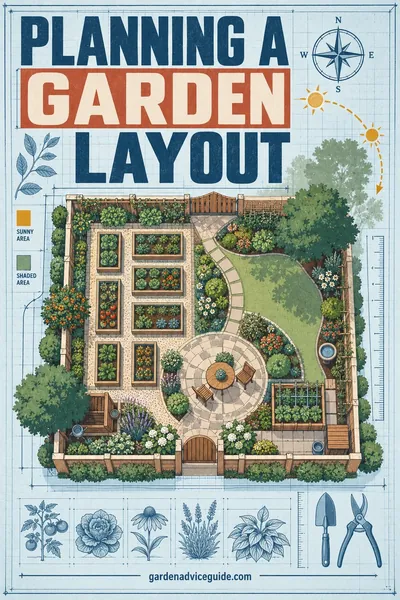
Keep everything within arm's reach, about 2 feet from either side, so you never step on the soil. Our plant spacing calculator shows how many of each crop fit, and the garden layout planning guide explains how to place beds around sun and shade. If you want a fuller plan, our vegetable garden for beginners page dates every step for a single 4 by 8 bed.
Your planting timeline, counted from last frost
Everything in a victory garden hangs on your average last spring frost. Say you live in zone 6 and your last frost is around April 20. Start tomato seeds indoors around late February to early March, 6 to 8 weeks earlier. Our seed starting calculator gives the exact date for your ZIP code. Sow peas outdoors in early to mid March, then lettuce, radishes and carrots from late March into early April. After the frost, plant bean seeds and tomato transplants in early May, and cucumbers and zucchini once the soil is warm in early to mid May.
In zones 3 to 5, everything shifts about three to five weeks later, and short-season varieties help. In zones 8 to 10, spring comes early and you can plant a second, cool-season garden in fall for winter harvests of greens and roots. Our when to plant tool gives safe windows crop by crop, and the planting calendar shows what to sow each month. For crops that keep going through the cold months, see our guide to cold hardy vegetables.
Soil, compost and water
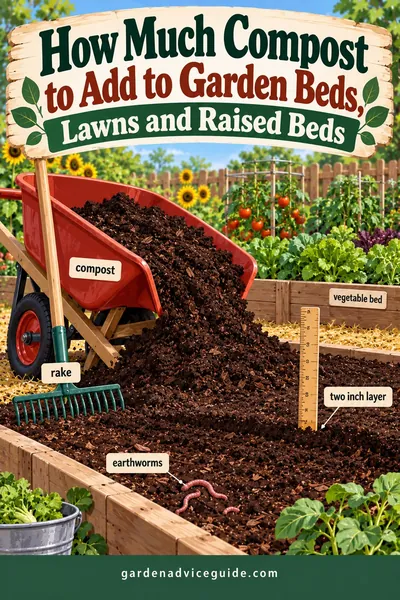
Good soil makes everything else easier. Before you plant, mix 2 to 3 inches of compost into the top 6 to 8 inches of soil, or fill a raised bed with a quality mix. Wartime gardeners relied on compost heaps, and they still make sense today. Our guide on how to compost shows how to turn kitchen scraps and leaves into free soil food.
Most vegetables need about an inch of water a week. Water deeply at the base of plants, early in the morning, rather than a quick sprinkle every evening. A 2 inch layer of straw or shredded leaf mulch keeps the soil moist and smothers weeds, which saves you hours over a summer. Rotate crop families to a new spot each year to keep soil diseases down; our crop rotation planner makes it simple.
Keeping the harvest coming
A victory garden works best when it never sits empty. When early lettuce and radishes finish in late spring, sow bush beans or another round of carrots in the same space. Pick beans, zucchini and cucumbers every two or three days, since regular picking keeps plants producing. Our guide to succession planting explains how to keep a bed full from spring to fall, and the when to harvest tool tells you when each crop is ready.
Extra produce can be frozen, dried or stored. Carrots and beets keep for weeks in the fridge, winter squash for months in a cool room, and many herbs dry easily. Saving seed from beans, peas and tomatoes is another old victory garden habit worth keeping, since open-pollinated varieties grow true from saved seed.
Sharing the harvest
Sharing was at the heart of the original victory gardens, and it still is. Swap surplus zucchini for a neighbor's eggs, bring a bag of beans to a friend, or check whether a local food pantry accepts fresh garden produce. Community gardens, school gardens and garden clubs are great places to learn and to share seeds and tools. For more free planning tools, visit the Garden Advice Guide home page.
Quick answers about victory gardens
What is a victory garden?
A victory garden is a home vegetable garden. The name dates from World War I and World War II, when families were encouraged to grow their own food so more of the commercial supply could go to troops and allies. Today it means any practical garden that feeds your household.
Why were victory gardens important?
They eased pressure on the national food supply and transportation, helped families stretch rationed groceries, and gave people a way to help at home. Commonly quoted figures suggest about 20 million American gardens during World War II grew a large share of the country's fresh vegetables.
What did people plant in victory gardens?
Mostly dependable, easy crops: beans, peas, beets, carrots, cabbage, chard, kale, lettuce, onions, squash, tomatoes and turnips. Many of these could be canned, dried or stored in a cool cellar to last through winter.
What should I plant in a victory garden today?
Start with easy, productive crops your family enjoys: lettuce, radishes, peas, bush beans, tomatoes, cucumbers, zucchini, carrots and a few herbs. Choose compact varieties for pots, and grow only what you will actually eat.
How big should a victory garden be?
One 4 by 8 foot raised bed or a few large containers is plenty for a first year. It is easy to water and weed, and it still grows a good amount of food. Expand next year once you know what works.
When should I plant a victory garden?
It depends on your last spring frost. Peas, lettuce, radishes and carrots go in 2 to 6 weeks before it. Tomatoes, beans, cucumbers and zucchini go in after it, once the soil is warm. Plan and order seeds in winter.
Can I grow a victory garden in containers?
Yes. A balcony or patio with 6 to 8 hours of sun can grow tomatoes, peppers, lettuce, herbs and bush beans in pots. Use containers with drainage holes, fill them with potting mix and water often in summer.
Is a victory garden a good project for kids?
Yes, and it was in the past too, through school garden programs. Fast crops like radishes, peas and bush beans keep children interested, and picking their own vegetables often makes them keener to eat them.