Fiddle Leaf Fig Care: Where to Put It, How Often to Water and Why Leaves Drop

Fiddle leaf fig care comes down to bright light, steady watering and no drafts. Put your fiddle leaf fig (Ficus lyrata) within about 3 feet of a bright window, water it when the top 2 inches of soil are dry, which is about every 7 to 14 days in most homes, and keep it away from heater vents and cold doors. Then leave it alone. This plant hates being moved.
When a fiddle leaf fig drops leaves, it's almost always reacting to a change: a new spot, a cold draft, a blast of heat, dim winter light or a swing between bone-dry and soggy soil. Brown spots tell you even more, because where they show up on the leaf points to the cause. This guide walks through both, along with pruning, repotting and rooting a cutting.
Key facts
- Light: as bright as you can, within about 3 feet of a big window.
- Water: top 2 inches dry, about every 7 to 14 days.
- Temperature: 65 to 80°F, with no drafts or heater blasts.
- Prune in spring or early summer to make it branch.
- Not pet-safe: the milky sap irritates.
The checker below asks how close your fig sits to a window (right by a bright window within 3 feet, a few feet back at 3 to 6 feet, or far away at 6 feet or more) and what's nearby (no drafts or heaters, a heater vent, radiator or fireplace, or a drafty door or cold window). You get a placement check, a watering rhythm and the likely reason behind any leaf drop.
Garden Advice Guide · free calculator
Fiddle Leaf Checker: Placement and Watering Plan for Your Spot
Pick how close your fig sits to a window and what's nearby. You get a placement check, a watering rhythm and what's behind leaf drop.
Need more? Open the free Frost Dates.
 Planting Zones
 Frost Dates
 Planting Calendar
Quick reference: fiddle leaf fig at a glance
| Need | Short answer |
|---|---|
| Light | Lots of bright light, some gentle direct sun |
| Water | Top 2 inches dry, every 7 to 14 days |
| Temperature | 65 to 80°F, no drafts |
| Soil | Chunky, fast-draining mix, drainage hole |
| Food | Balanced fertilizer, spring and summer |
| Cleaning | Wipe leaves monthly |
Why this plant seems fussy
In the wild, fiddle leaf figs grow into trees in the lowland forests of western Africa, out in bright, open light. Indoors, the light even a few feet from a window is far weaker than outdoors. So a fiddle leaf fig placed in a pretty but dim corner is starving, and it slowly drops lower leaves to match what it can support.
The other half of its reputation comes from how it handles change. Big leaves are expensive for the plant to build, and it responds to new light, temperature or watering by shedding some of them. That's why a brand-new fig often drops a few leaves in its first weeks at home. It went from a bright greenhouse to a truck to your living room. Pick its permanent spot on day one, water carefully, and give it a month or two to settle before you judge it.
Finding a spot within 3 feet
The single best thing you can do is put it close to a large window, within about 3 feet. East and south windows are great. A west window works if the hottest summer afternoon sun is filtered by a sheer curtain. North windows are usually too dim on their own.
Keep it away from heater vents, radiators and fireplaces, where hot, dry air crisps the leaves. Keep it away from exterior doors and drafty single-pane windows too, because cold blasts trigger sudden leaf drop. Once it's in a good place, give it a quarter turn every few weeks so it doesn't lean toward the glass.
If your best window is nowhere near where you want the tree, a grow light can bridge the gap. Our guide to grow lights for houseplants covers distance and hours for tall plants.
How often to water
Check before you water. Push a finger about 2 inches into the soil, or use a long wooden skewer in a big floor pot. If it's dry at that depth, water slowly and evenly around the whole surface until water drains out the bottom. Then empty the saucer. Big pots on big saucers love to hold a puddle, and a fig standing in water for days will rot.
Here's how that plays out. A 6 foot fig in a 12 inch pot, 2 feet from a south window in a 72°F room in June, might need water every 7 days. In December, with the heat at 67°F and short days, the same plant might take 12 to 14 days to dry 2 inches down. If it's damp, wait a few days and check again.
Consistency matters more than the exact number of days. A fiddle leaf fig that swings between bone-dry and soggy is the one that drops leaves. Room-temperature water is kindest; icy water straight from a cold tap in winter can shock the roots.
The right soil and pot
Fiddle leaf figs want a chunky, airy mix that drains fast. A bagged indoor mix with about one part perlite or orchid bark added to every two or three parts mix works well. The pot must have a drainage hole. If you use a decorative pot without one, keep the fig in a nursery pot inside it and lift it out to water.
Repot every year or two in spring while it's young, and every 2 to 3 years once it's big, going up only about 2 inches in width. A huge pot holds wet soil the roots can't reach. For very large plants, many people top-dress instead: scrape off the top 2 inches of old soil and replace it with fresh mix. Our container gardening guide explains more about pot sizes and drainage.
Feed in spring and summer with a balanced houseplant fertilizer as the label directs, and stop in fall and winter. If you're unsure what the three numbers on the bag mean, see fertilizer numbers explained.
Winter leaf drop
December leaf drop is a classic. The heat comes on, doors open and close for guests, the days shrink, and the plant reacts. The pattern tells you what's happening.
If healthy-looking green leaves drop suddenly, think shock: a move, a cold draft or a blast of heat. Find a steady spot and leave it there. If lower leaves yellow and fall one by one, it's usually not enough light or too much water, so move it closer to the window and let the soil dry more between drinks.
If leaves drop and the soil stays wet for days, suspect root rot. Slide the plant out and look. Healthy roots are firm and pale; rotting ones are brown, mushy and smell sour. Trim the soft ones with clean pruners and repot in fresh, fast-draining mix. If the leaves are crispy and curled as they drop, it's too dry or sitting in hot air from a vent. Water more evenly and move it away from the heat.
Brown spots, read by location
Where the brown shows up on a leaf tells you a lot. Dark brown spots in the middle or along the edges, often with yellowing around them, usually mean too much water and the start of root rot. Check the roots and let the soil dry more between waterings.
Light brown, dry, crispy edges usually mean too little water or very dry air. Tan, bleached patches on leaves facing the window are sunburn, often after a sudden move into strong sun; move plants into brighter light gradually, over a week or two. Tiny red or brown dots on new leaves are often edema, caused by uneven watering. They usually fade as the leaf matures, and steadier watering stops new ones.
Brown spots never heal. If a leaf is mostly brown, cut it off at the stem. Once you fix the cause, new leaves come in clean.
Branching, pruning and notching
Most fiddle leaf figs are sold as one tall stem. To get a fuller, tree-like shape with branches, cut the top off in spring or early summer, just above a leaf. New branches usually grow from one to three of the nodes below the cut within several weeks.
If you don't want to lose height, you can try notching instead. Make a small, shallow cut in the stem just above a leaf node, about a third of the way around. That can wake up the bud below it. It doesn't work every time, but it costs nothing to try.
The stem bleeds a milky white sap when cut. Wear gloves, put a towel on the floor and dab the cut with a paper towel until it stops.
Rooting the top you cut off
Don't throw the top away. A cutting about 12 inches long with two or three leaves roots well in a jar of water in bright, indirect light. Change the water weekly. Roots usually appear in about 3 to 6 weeks, and once they're 2 inches long, pot the cutting in a small pot of the same chunky mix. Warmth helps; cuttings in a 75°F room root faster than ones in a cool room.
Pests and cleaning
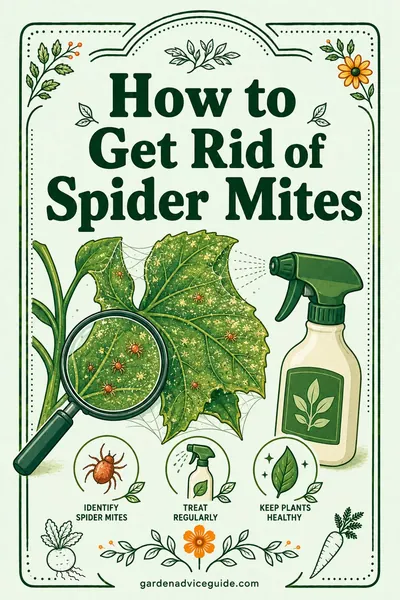
Spider mites are the pest most likely to bother a fiddle leaf fig, especially in dry winter air. Look for fine webbing and pale speckles on the leaves. Our spider mites guide has a rinse schedule, and neem oil for plants explains a gentle spray for stubborn cases. Scale and mealybugs can show up too, as brown bumps or white fluff along stems.
Big leaves also collect dust, which blocks light. Wipe both sides with a damp cloth every month or so. It's the easiest way to give the plant more light without moving it.
Are fiddle leaf figs safe for pets?
Treat them as not pet-safe. Fig plants have a milky sap that can irritate a pet's mouth, skin and stomach, and the ASPCA lists several figs as toxic to cats and dogs; check the ASPCA list for the latest on this one. Pick up fallen leaves, and if your pet chews the plant, call your vet or the ASPCA Animal Poison Control Center. Our houseplants safe for cats list has safer picks.
Summer outside and smaller choices
Fiddle leaf figs only grow outdoors all year in frost-free climates, about USDA zones 10 to 11. Use the planting zone finder to check yours. Elsewhere, a summer outdoors can give a big boost, as long as you move it slowly. Wait until nights stay above about 55°F, well after the last spring frost shown by the frost dates tool, and start it in bright shade so the leaves don't burn.
If you want the look in a smaller space, dwarf types such as 'Bambino' stay compact with smaller leaves. For something more forgiving, our indoor trees guide compares the fig with the rubber plant, the Norfolk Island pine and the money tree. More free tools are on our home page.
Quick answers about fiddle leaf figs
Why is my fiddle leaf fig dropping leaves?
Most often from a sudden change: a move, a cold draft or hot air from a heater. Too much water and too little light also cause leaf drop, especially in winter. Find a bright, steady spot within about 3 feet of a window and water only when the top 2 inches are dry.
How often should I water a fiddle leaf fig?
When the top 2 inches of soil are dry. That's usually every 7 to 10 days in a bright, warm room and every 10 to 14 days or more in winter. Water evenly until it drains, then empty the saucer so the pot never sits in water.
Where should I put a fiddle leaf fig?
Within about 3 feet of a large, bright window, ideally east or south facing. Keep it away from heater vents, radiators, fireplaces and drafty doors, in a spot where it can stay put. Turn it a quarter turn every few weeks so it grows straight.
What causes brown spots on fiddle leaf fig leaves?
Dark spots with yellowing usually mean too much water and root rot. Dry, crispy brown edges mean too little water or dry air. Tan patches on leaves facing the window are often sunburn. Tiny red dots on new leaves are usually edema from uneven watering and fade over time.
Is a fiddle leaf fig toxic to cats and dogs?
Treat it as not pet-safe. Its milky sap can irritate a pet's mouth, skin and stomach, and the ASPCA lists several figs as toxic. Keep it out of reach, pick up fallen leaves and call your vet or the ASPCA Animal Poison Control Center if your pet chews it.
Should I mist my fiddle leaf fig?
It isn't needed. Misting only raises humidity for a few minutes. Keeping the plant away from heater vents and watering steadily does far more. If your winter air is very dry, a room humidifier nearby helps more than a spray bottle.
How do I make my fiddle leaf fig branch?
Cut the top off in spring or early summer, just above a leaf. New branches usually grow from the nodes below the cut. Notching, a small cut just above a node, can also wake a bud without losing height. Root the cut top in water for a new plant.