Jade Plant Care: How Often to Water, Winter Care and How to Make a Jade Bloom

Jade plant care comes down to lots of light and very little water. Give your jade (Crassula ovata) a sunny window with at least 4 hours of direct sun, water it only when the soil is completely dry, and grow it in a fast-draining cactus mix in a pot with a hole. In winter that usually means watering just every 2 to 4 weeks.
Most jades that die are loved to death with water. The thick leaves are water tanks, so a jade can sit dry for weeks without harm, while one kept damp can rot from the roots up. Get the light and watering right, and a jade lives for decades, grows into a little tree and, with a few cool fall nights, may even cover itself in star-shaped flowers.
Key facts
- Light: at least 4 hours of direct sun; a south or west window is best.
- Water only when the soil is dry all the way through.
- Cool nights of 50 to 55°F in fall help a mature jade bloom.
- Keep it above about 40°F.
- The ASPCA lists jade as toxic to cats and dogs.
The checker below asks how warm your room runs (cool at about 55 to 65°F, average at about 65 to 75°F, or warm above 75°F or near a heater) and which window it sits in (a south or west window with several hours of sun, an east window, or a north window or far from a window). It gives you a dry-down watering schedule and tells you whether your jade has a chance to bloom this winter.
Garden Advice Guide · free calculator
Jade Checker: Winter Watering and the Cool-Night Bloom Trick
Pick how warm your room runs and your window. You get a dry-down watering schedule and whether your jade can bloom this winter.
Need more? Open the free Frost Dates.
 Planting Zones
 Frost Dates
 Planting Calendar
Quick reference: jade plant needs
| Need | Short answer |
|---|---|
| Light | 4+ hours of direct sun |
| Water | Fully dry first; 1 to 2 weeks summer, 2 to 4 weeks winter |
| Soil | Cactus mix or potting mix with grit |
| Pot | Clay with a drainage hole |
| Temperature | 65 to 75°F by day; cool nights are fine |
| Food | Diluted succulent food, spring and summer |
Sun: the 4 hour minimum
Jades come from the dry, sunny hills of South Africa, and they want real sun. Indoors, that means a south or west window with at least 4 hours of direct light a day. An east window can work in summer but is often too weak in winter. A north window, or a spot across the room, isn't enough.
You can see light problems in the plant's shape. A jade in good sun has short, thick stems, tight leaf pairs and often a red blush on the leaf edges. A jade in poor light stretches out, with long gaps between leaves, thin stems and a lean toward the glass. If you don't have a sunny window, a grow light set close above the plant for 12 to 14 hours a day works well. Our guide to grow lights for houseplants has a distance chart.
When you move a jade into stronger sun, do it gradually over a week or two. A sudden jump from a dim room to a hot sill can leave brown, crispy sunburn spots.
Soak and dry: how to water
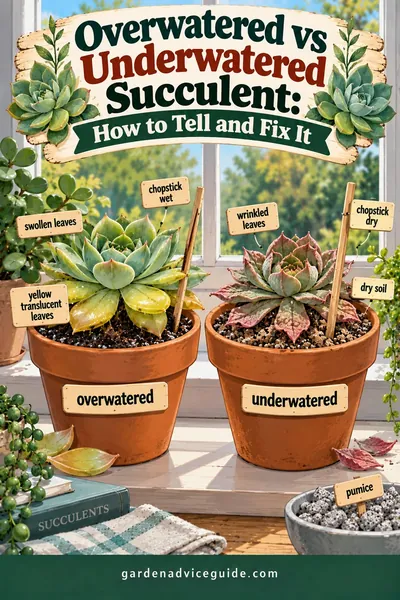
Water a jade when the soil is dry all the way through, not just on top. Push a wooden skewer or chopstick deep into the pot. If it comes out with damp soil stuck to it, wait. When it comes out clean and dry, water slowly until water drains out the bottom, empty the saucer after 10 minutes, and don't water again until the soil is fully dry.
In most homes that's about every 1 to 2 weeks in spring and summer and every 2 to 4 weeks in winter. A worked example: a jade in a 6 inch clay pot on a sunny south sill in a 72°F room in July might dry out in 8 to 10 days. The same plant in a 62°F room in January might take close to 4 weeks.
The leaves are your second gauge. Healthy jade leaves are firm and plump. Slightly wrinkled or soft, bendy leaves mean it's thirsty. Yellow, mushy or see-through leaves mean it's had too much. Our overwatered vs underwatered succulent guide walks through three checks that settle which problem you have.
Gritty mix and the right pot
Use a cactus and succulent mix, or regular potting mix with plenty of perlite, pumice or coarse grit added, about half and half. The soil should drain in seconds and dry within a week or two, not stay dark and heavy.
A clay pot with a drainage hole is ideal. Clay breathes and dries faster than plastic, which helps prevent rot. It's also heavier, and that matters because an older jade gets top-heavy and can tip a light plastic pot. Choose a pot only an inch or two wider than the root ball. Jades like being a bit snug, and repotting every 2 to 4 years in spring is plenty. Our container gardening guide covers drainage and pot materials in more detail.
Feed lightly with a diluted succulent fertilizer a few times in spring and summer. Skip it entirely in fall and winter.
The winter routine
Winter is when most jade trouble starts, because the plant slows down but our watering habits don't. Water less, every 2 to 4 weeks depending on how warm the room is, and only when the soil is dry. Give it the sunniest window you have; winter sun is weak, so right on the sill is best.
Keep the leaves off freezing glass. Leaves pressed against a frosty pane can be damaged. A room that drops into the 50s at night is good for a jade, but keep it above about 40°F. Skip fertilizer until spring, and don't worry if it barely grows. That rest is normal.
How to make a jade bloom
Yes, jades flower. A mature, happy jade can cover itself in small white or pale pink star-shaped flowers in late fall and winter. It takes several things at once, and missing any one of them is usually why a jade never blooms.
First, the plant must be mature. Young jades rarely flower, and many need to be several years old first. Second, it needs plenty of sun through spring and summer to store energy. Third, in fall it needs cool nights, around 50 to 55°F, for several weeks. Fourth, it needs short days, meaning natural fall daylight with no lamps shining on it in the evening. And finally, it needs dry soil, watered very sparingly from fall into winter.
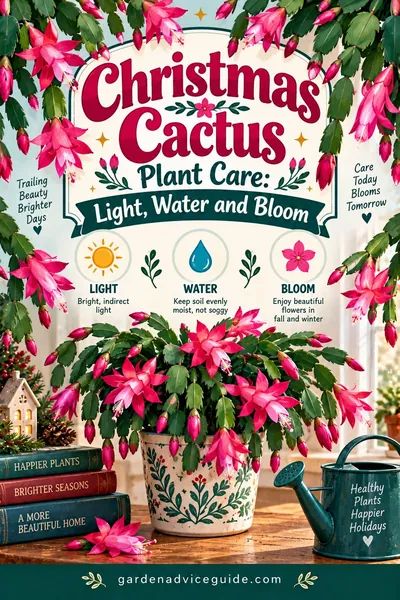
A cool, bright windowsill in a spare room, or an enclosed porch that stays above freezing, often does the trick. A warm living room with the lights on until 11 pm usually doesn't. Once buds show, go back to normal winter care. It's the same short-day idea that sets buds on Christmas cactus and kalanchoe.
Wrinkled, mushy or dropping leaves
Leaves dropping with a soft stem at the base mean too much water and root rot. Let the plant dry out, then unpot it and look. Trim any brown, mushy roots, cut back to firm stem if needed, and repot in dry cactus mix. Wait a week before watering.
Wrinkled, thin leaves mean it's thirsty. Water deeply, then go back to the dry-down rhythm. Long, leaning, stretched stems mean not enough light; move it to a sunnier spot and prune the stretched parts in spring.
Red leaf edges come from bright sun or cool temperatures and are usually harmless. Many people love the look. Brown, crispy spots after a move to stronger sun are sunburn. And a few leaves dropping after a sudden cold spell or a big move is a jade telling you it noticed. Keep conditions steady and it will settle.
Mealybugs and other pests
Mealybugs are the jade's most common pest. They look like bits of white, cottony fluff tucked in the leaf joints and along stems. Dab each one with a cotton swab dipped in 70% isopropyl from the pharmacy, which dissolves their waxy coating, and check again every few days for a few weeks, since new ones hatch.
Scale, small brown bumps on stems, can be handled the same way. Be cautious with oil sprays and soaps on jades. Their waxy leaves can be damaged by some products, so if you try neem oil, test it on a few leaves first and keep the plant out of sun until it dries.
Shaping a little tree
Pruning turns a lanky jade into a sturdy, tree-like plant. Prune in spring or summer, when it's growing. Cut just above a leaf pair with clean pruners. Two new branches usually grow from that point, so each cut doubles the branching.
To build a thick trunk, remove the lowest small branches over a couple of years and let the top fill in. Never take off more than about a third of the plant at once. The cut ends dry and seal on their own within a few days.
Growing new jades from leaves and stems
Don't toss the trimmings. Jades are among the easiest plants to propagate. Let a stem piece a few inches long, or a single healthy leaf, sit out for a few days until the cut end dries and calluses. Then set it on top of dry cactus mix, or push a stem an inch into it.
Keep it in bright, indirect light and don't water until roots appear, usually in a few weeks. Then water lightly. A stem cutting grows faster; a single leaf grows a tiny new plant at its base over a few months. It's an easy project to share with kids or friends.
Pets and jade plants
The ASPCA lists the jade plant as toxic to cats and dogs, with signs such as vomiting, lethargy and wobbliness if eaten. Keep it on a high sill or in a room your pets don't use. If your pet chews it, call your vet or the ASPCA Animal Poison Control Center. For pet-safe alternatives, see houseplants safe for cats.
Outdoors, zones and varieties
Jades live outdoors all year only in mild, nearly frost-free areas, about USDA zones 10 to 11. Check yours with the planting zone finder. In colder areas, a summer outside in the sun makes a jade sturdier. Move it out once nights stay above about 50°F, using the frost dates tool to know when that's likely, and ease it into full sun over two weeks. Bring it back in before fall nights drop toward 40°F.
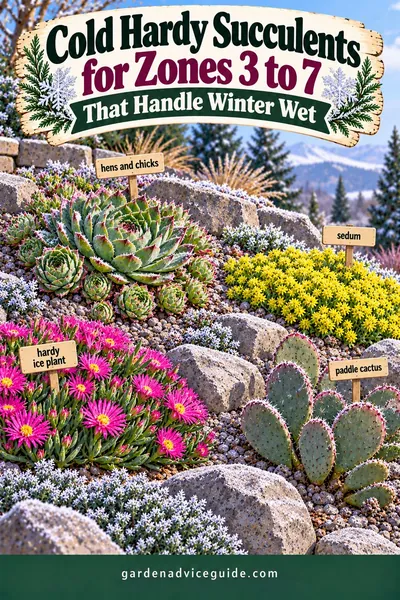
Beyond the classic green jade, look for 'Gollum' and 'Hobbit', with tube-shaped leaves; 'Hummel's Sunset', with gold and red leaves in good sun; and compact 'Minima' for small sills. All need the same care. Jades are a popular gift around Lunar New Year, along with the money tree. For tougher outdoor succulents, see our cold hardy succulents page, and find more free tools on our home page.
Quick answers about jade plants
How often should I water a jade plant?
Only when the soil is completely dry all the way through. In most homes that's about every 1 to 2 weeks in spring and summer and every 2 to 4 weeks in winter. Water deeply until it drains, empty the saucer and then wait for the soil to dry fully again.
How much sun does a jade plant need?
At least about 4 hours of direct sun a day. A south or west window is best. Without enough light, jades stretch, lean and grow thin, widely spaced leaves. A grow light 12 to 14 hours a day works if you lack a sunny window.
How do I get my jade plant to bloom?
Start with a mature plant and give it plenty of sun in spring and summer. In fall, give it several weeks of cool nights around 50 to 55°F, natural short days with no evening lamps, and very little water. Flowers often follow in late fall or winter.
Why is my jade plant dropping leaves?
Most often from too much water, especially if the stem feels soft at the base. Sudden cold, a big move or very dry, thirsty soil can also cause leaf drop. Check the soil and the leaves: mushy means too wet, wrinkled means too dry.
Is a jade plant toxic to cats and dogs?
Yes. The ASPCA lists the jade plant as toxic to cats and dogs. Keep it well out of reach, and if your pet chews it, call your vet or the ASPCA Animal Poison Control Center right away for advice.
Why are my jade leaves turning red?
Red edges usually come from bright sun or cool temperatures and are harmless. Many gardeners see them as a sign of a well-lit, healthy jade. If the red comes with mushy or shriveled leaves, check your watering instead.
Can I grow a jade plant from a single leaf?
Yes. Let a healthy leaf dry for a few days until the end calluses, then lay it on dry cactus mix in bright, indirect light. Water lightly once roots appear. A tiny plant forms at the base over a few months. Stem cuttings grow faster.