Raised Bed vs In Ground: How to Choose for Your Soil and Climate

Raised beds win on drainage, soil control, and season length. In ground beds win on water retention, cost, and scale. The right answer depends almost entirely on two things: what your native soil is like, and how hot and dry your summers get. And there's one situation where raised beds are actively worse, not just more expensive, which most comparison articles skip entirely.
Building a bed? Our free raised bed soil calculator tells you exactly how many cubic feet you need, and how many bags that is versus how many cubic yards to order in bulk.
Updated August 2026
A note on numbers. This page gives you dimensions, soil volumes, depths and drainage specs, not dollar figures. Lumber, bulk soil and delivery are priced by your region, your distance from the yard and the season, and we do not set any of it. Work out what you need here, then price it with two or three local suppliers.
Here's the real problem. You've been told raised beds are the "right" way to garden, they look tidy in every photo, and you're about to buy lumber and soil before you've checked whether your existing dirt was ever the problem. Sometimes it is. Often it isn't.
Raised Bed vs In Ground: The Full Comparison
This is the whole decision in one table. Where it compares cost, it does so relatively, and it assumes a 4 x 8 foot bed, which is 32 square feet, the most common size people build.
| Factor | Raised bed | In ground |
|---|---|---|
| Startup cost (32 sq ft) | High. Frame plus imported soil | Low. A few bags of compost |
| Soil control | Total. You choose the mix | Limited. You amend what you have |
| Drainage | Excellent, water leaves fast | Depends on your soil texture |
| Water needs | 25% to 50% more in summer | Lower, deep soil holds reserve |
| Spring warming | 2 to 3 weeks earlier | Slower, warms with the ground |
| Season length | Longer at both ends | Shorter, but frost hits later in fall |
| Accessibility | Excellent, less bending | Requires kneeling and stooping |
| Root depth | Limited by bed plus what's below | Effectively unlimited |
| Lifespan | 5 to 20 years by material | Permanent, improves every year |
| Weed pressure | Low at first, rises over time | Higher, especially year one |
| Scaling up | Expensive per square foot | Nearly free per square foot |
Read that table with your own yard in mind. If your soil is heavy clay that puddles for two days after rain, the drainage row is worth the whole cost of the bed. If your soil is decent loam and your July highs sit near 100°F, the water row should stop you cold.
The Honest Downside: Raised Beds Dry Out Faster
This is the part that gets a one-line footnote in most articles, and it deserves a section.
A raised bed is exposed on all four sides plus the top. Air moves against those walls, sun hits them, and water drains down and out instead of wicking sideways from the surrounding ground. The same bed that saves your plants from a soggy April will cook them in a dry August.
Real numbers: in hot, dry summer weather a 12 inch deep raised bed commonly needs watering every one to two days, while the same crops in ground next to it hold on for four to five days. Metal beds and narrow beds are the worst offenders because the surface-area-to-volume ratio is higher.
So here's the fence. If you garden in a hot, dry climate with low summer rainfall, west Texas, most of Arizona, the interior valleys of California, the high plains, raised beds are a real disadvantage unless you're committed to drip irrigation on a timer. In those places, sunken beds and in ground planting are the traditional local answer for a reason.
If you garden in the humid East, the Pacific Northwest, the upper Midwest, or anywhere with heavy clay and wet springs, that same fast drainage is exactly what you're buying.
Three things reduce the drying penalty if you build anyway:
- Go wider and deeper. A 4 x 8 bed loses less proportionally than a 2 x 4 bed. Volume buffers moisture.
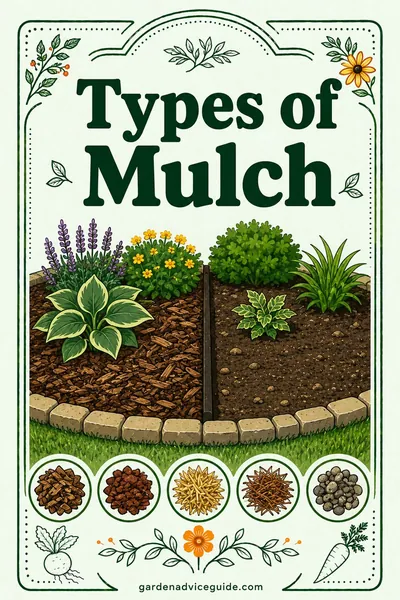
- Mulch 2 to 3 inches deep, always. Bare soil in a raised bed is a mistake you pay for daily in July.
- Put drip or soaker line in when you build, not the summer after you get tired of hand watering. Our watering guide has the run times by soil type.
How Deep Should a Raised Bed Be? Root Depth Drives the Decision
Depth is the single spec people get wrong, usually by building too shallow because lumber is expensive.
The key question is what's underneath. If your bed sits on soil that roots can push into, the bed is a bonus layer and 8 to 12 inches is plenty for nearly every vegetable. If your bed sits on concrete, a patio, compacted fill, or landscape fabric over hardpan, the bed depth is the entire root zone and the table below becomes a hard minimum.
| Crop | Typical working root depth | Bed depth over open soil | Bed depth over a hard surface |
|---|---|---|---|
| Lettuce, spinach, arugula | 12 to 18 in | 6 in | 8 in |
| Radish, green onion, cilantro | 12 in | 6 in | 8 in |
| Bush beans, peas, chard | 18 to 24 in | 8 in | 12 in |
| Broccoli, cabbage, kale | 18 to 24 in | 8 in | 12 in |
| Beets, carrots (Nantes types) | 18 to 24 in | 10 in | 12 in |
| Peppers, cucumbers, summer squash | 24 in | 10 in | 16 in |
| Tomatoes | 24 to 48 in | 12 in | 18 in |
| Winter squash, pumpkins | 36 in+ | 12 in | 24 in |
| Parsnips, long carrots, daikon | 24 to 36 in | 12 in | 18 in |
| Asparagus (permanent bed) | 36 in+ | 18 in | Not recommended |
Two practical notes. A 2x12 board gives you an 11.25 inch deep bed, which is why so many beds land at "about a foot," and that depth handles everything above the tomato line over open soil. And if you're building on a hard surface, drill or leave drainage gaps, because a sealed box turns into a bathtub. Asparagus is the one row in that table that never moves, and perennial vegetables by zone covers it along with rhubarb, artichoke and the rest that earn a permanent bed.
Raised Bed Materials Compared, and What to Avoid
| Material | Lifespan | Relative cost for a 4x8 frame | Notes |
|---|---|---|---|
| Untreated pine or fir | 4 to 7 years | The cheapest frame you can build | Cheapest start, plan to rebuild |
| Concrete block | 25 years+ | Cheap per block, but you need many | Heavy, holds heat, may nudge pH up slightly |
| Modern pressure-treated (ACQ, MCA, CA) | 15 to 20 years | Slightly above pine | Copper based, see below |
| Cedar | 10 to 15 years | Roughly double untreated pine | The default premium choice |
| Galvanized steel or stock tank | 15 to 25 years | Similar to cedar, wide spread by size | Heats up fast, dries out fastest |
| Redwood | 12 to 20 years | Above cedar, and priced regionally | Best value in the West, imported elsewhere |
| Composite or recycled plastic | 20 years+ | The most expensive frame here | No rot, highest upfront cost |
What to avoid for anything you plan to eat:
- Railroad ties and utility poles. These are treated with creosote or pentachlorophenol. Both leach into soil, both are hazardous, and neither belongs anywhere near food crops. This is not a debated point.
- Pre-2004 pressure-treated lumber. Residential CCA lumber, the greenish stuff, contained chromated copper arsenate. It was phased out of residential use at the end of 2003. If you're recycling old deck boards of unknown age, don't use them for a food bed.
- Painted or salvaged wood of unknown history. Lead paint was in wide use until 1978, and old painted trim is a poor trade for the price of a few boards.
- Tires. They're free and they're popular online. They also contain zinc, and the rubber breaks down under UV. Use them for something other than food.
Modern pressure-treated lumber is the genuinely gray area. Today's residential product uses copper-based preservatives instead of arsenic, and multiple university extension programs consider it acceptable for vegetable beds because copper movement out of the wood is small and stays within an inch or two of the boards. Plenty of gardeners still line the inner walls with heavy plastic sheeting as a belt-and-suspenders step, and a roll of it is one of the cheapest things in the store. Both positions are defensible. If it bothers you at all, buy cedar and stop thinking about it.
Filling the Bed, and Why All-Bagged Soil Gets Expensive
A 4 x 8 bed at 11.25 inches deep holds 30 cubic feet, or about 1.1 cubic yards. That number is why filling costs more than framing.
Bagged raised bed mix comes in 1.5 cubic foot bags. You need 20 of them. Bagged mix is the most expensive way to buy soil by volume, it typically costs more than the lumber does, and you'll carry every bag from the car.
Bulk is much cheaper per cubic yard and more annoying per delivery, because the delivery fee is the same whether you order one yard or five. For a single bed that flat fee erases most of the savings. For three or more beds, bulk wins clearly. Call two yards before you order and ask three things: the price per cubic yard delivered to your zip code, the minimum order, and whether the blend is screened, because an unscreened blend full of rock and sticks is no bargain.
The middle path most experienced gardeners actually use is a blend you mix yourself, roughly 50% bulk topsoil or screened loam, 30% compost, and 20% something for structure like coarse bark fines, pumice, or perlite. Run your numbers through the raised bed soil calculator first so you order once.
A word on the hugelkultur or "fill the bottom with logs" trick: it does cut your soil purchase, but the bed settles noticeably as the wood breaks down, sometimes 3 to 4 inches in the first two seasons. Budget for a top-up. And keep at least 8 inches of real growing mix above the fill.
The Cheaper Path: Improving Soil In Ground
Before you build anything, know this: most bad garden soil is not bad soil, it's compacted soil that's low in organic matter. Both are fixable without lumber.
Start with a test. A county extension lab test is one of the cheapest things you will buy all season and it tells you pH and nutrient levels, which is the information that changes what you do next. Our guide on how to test garden soil walks through sampling, which is where most people go wrong.
Then loosen without inverting. A broadfork is a wide two-handled fork you step into the ground and rock back. It fractures compaction 10 to 14 inches down while leaving the soil layers, and the fungal networks in them, in place. A digging fork does a slower version of the same job for a fraction of the price.
Then add organic matter on top. Two inches of compost across the surface, every year, is the whole program. It feeds soil life, improves clay structure, and increases water-holding capacity in sand. If you're making your own, our composting guide covers the ratio and the pile size that actually heats.
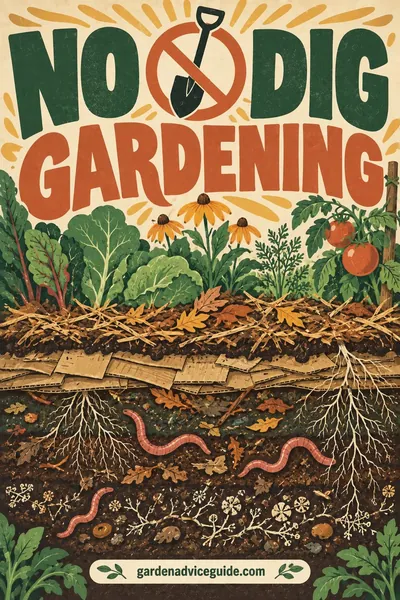
Then stop tilling. No-dig means you build fertility upward with compost and mulch instead of mixing it in. Weed seeds stay buried where they can't germinate, soil structure builds year over year, and the bed gets better instead of needing to be rebuilt. Sheet mulching over sod, cardboard down, then 4 to 6 inches of compost, converts lawn to bed in a season with no digging at all.
An in ground bed improved this way is genuinely better in year five than it was in year one. A raised bed is at its best on day one and slowly settles and depletes from there unless you top it up.
Worked Example: One 4x8 Raised Bed vs Improving 32 Square Feet In Ground
Same 32 square feet, same crops. Here is the shopping list for each, so you can price both at your own store in one trip and see the gap for yourself.
Option A, cedar raised bed:
- Three 2x12x8 cedar boards, one cut in half for the ends
- Corner brackets, screws, and a scrap 2x4 for corner stakes
- Soil, 30 cubic feet, which is 20 bags of raised bed mix
- Years two onward: enough compost to top up 2 inches, which is 5.3 cubic feet
- The soil is the biggest line, ahead of the lumber, and it surprises almost everyone
Option B, improving the same 32 square feet in ground:
- Extension soil test
- Broadfork rental for a weekend, or a digging fork you keep
- Compost, 2 inches over 32 square feet, which is 5.3 cubic feet, about 6 bags
- Lime or amendments if the test calls for them
- Years two onward: the same 6 bags of compost
Price those two lists side by side and the raised bed comes out roughly five to eight times more in year one for the same growing area. The ratio holds up almost anywhere, because both lists move with the same local lumber and soil market. What you're buying with that difference is: soil you control completely, drainage that doesn't depend on your subsoil, about two to three weeks of extra season at each end, and a working height that doesn't hurt your back.
Those are real benefits. They're just not free, and they're not automatic. If your native soil drains reasonably and your back is fine, Option B and a fall compost application will outgrow a new raised bed by year three, because the in ground soil keeps improving while the bed slowly settles.
Spacing Changes in a Raised Bed
One thing raised beds genuinely change is how close you can plant. Because you never walk on the soil, it stays uncompacted, and because you control fertility, you can drop the row-spacing convention entirely and plant on a grid.
Practical result: intensive grid spacing in a raised bed fits roughly 30% to 40% more plants into the same square footage than traditional row spacing, since you're not giving up 18 inch walking paths between every row. Carrots at 3 inches on center, lettuce at 8, bush beans at 6. Our plant spacing guide has the per-crop numbers for both approaches.
The catch is that dense planting draws more water, which loops right back to the drying problem. Dense plus raised plus hot and dry is the combination that fails in August.
The Short Version
- Build raised beds if: your soil is heavy clay, contaminated, or nonexistent (patio, gravel, hardpan); your springs are wet; you need a working height that doesn't require kneeling; or you want tight, tidy, intensive plantings.
- Improve in ground if: your soil is workable; your summers are hot and dry; you're gardening more than a few hundred square feet; or the budget matters more than the aesthetics.
- Do both if: you have the room. Most experienced gardeners end up with raised beds for greens, roots, and anything they want early, plus in ground rows for squash, corn, potatoes, and everything that sprawls and drinks.
FAQ
Are raised beds actually better than in ground gardens?
Not universally. They're better when your native soil is the limiting factor, when drainage is poor, or when accessibility matters. They're worse in hot dry climates where the faster drying costs you more than the drainage gains, and they're much more expensive per square foot at any scale beyond a few beds.
How deep does a raised bed need to be for tomatoes?
Twelve inches over open soil, since tomato roots will keep going down into the ground beneath. Over concrete, a patio, or landscape fabric on hardpan, go 18 inches minimum, because the bed is then the entire root zone. Shallower works but you'll water constantly and see more blossom end rot.
Do raised beds need more water than in ground beds?
Yes, typically 25% to 50% more during hot weather. All four sides are exposed to air and sun, and water drains out instead of wicking in from surrounding soil. Mulching 2 to 3 inches deep and installing drip line closes most of that gap.
Is pressure-treated wood safe for a vegetable garden?
Modern residential pressure-treated lumber uses copper-based preservatives, and several university extension programs consider it acceptable for food beds because copper migration is small and stays within an inch or two of the wood. Arsenic-treated CCA lumber was phased out of residential use at the end of 2003, so avoid old salvaged deck boards. Lining the inside with plastic sheeting is cheap if you'd rather not think about it.
What's the cheapest way to fill a raised bed?
Bulk delivery, if you're filling three or more beds, since the flat delivery fee spreads across more yards. For a single bed that fee cancels the savings and bagged mix is competitive. Mixing your own from bulk topsoil, compost, and a bulking agent is the cheapest per cubic foot at any volume.
Can I put a raised bed on top of grass?
Yes, and it's the easiest way to convert lawn. Mow the grass short, lay overlapping cardboard with the tape removed, then fill the bed on top. The grass dies under the cardboard, the cardboard breaks down within a season, and roots pass straight through into the soil below. Skip landscape fabric, which blocks root movement without ever fully stopping weeds.
How long does a raised bed last?
Untreated pine gives you 4 to 7 years, cedar 10 to 15, redwood 12 to 20, modern pressure-treated 15 to 20, and steel or concrete block 20 years or more. Beds fail at the corners and at the soil line first, so corner hardware and a slight gap above grade both extend the life.
Do I need to replace the soil in a raised bed every year?
No. You need to top it up. Beds settle 1 to 3 inches a year as organic matter breaks down, so add 2 inches of compost each spring or fall and you'll never have to empty and refill. Full replacement is only warranted after a serious soilborne disease problem.