What to Plant in July

July is a fall-planting month wearing summer clothes. In zones 3 through 5, you can still sow fast crops like bush beans, summer squash, and cucumbers in the first ten days, and after that you switch to greens, radishes, and turnips for autumn. In zones 6 through 7, July is the month to start broccoli, cabbage, and cauliflower seedlings for a fall harvest while you sow one more round of beans and carrots. In zones 8 through 10, July belongs to okra, southern peas, and sweet potatoes, plus the fall tomato transplants that go in at the end of the month.
The thing nobody tells you is that July planting fails for a different reason than spring planting. In spring, seeds rot in cold soil. In July, they cook. Lettuce, spinach, and cilantro simply refuse to germinate above about 80°F, so half the fall garden needs a technique change, not a calendar change.
Want the dates for your own zone? Pick your zone and month in our free planting calendar and get a sowing date for every crop on this page.
Updated September 2026
What to plant in July by zone
Start here, then read the sections below for the crops that need special handling.
| Zone | Sow outdoors now | Start indoors or in a shaded flat | Transplant out |
|---|---|---|---|
| 3 to 4 | Bush beans (first week only), radish, turnip, arugula, spinach (late July), baby lettuce | Nothing new, the season is closing | Leek and cabbage seedlings, first week |
| 5 | Bush beans, cucumber (first 10 days), beets, carrots, kohlrabi, radish, chard | Broccoli, cabbage, kale, collards | Broccoli and kale from June sowings |
| 6 | Bush beans, carrots, beets, summer squash (first half), chard, kohlrabi, rutabaga | Broccoli, cauliflower, cabbage, Brussels sprouts (early July) | Fall brassicas at month's end |
| 7 | Bush beans, carrots, beets, cucumbers, corn (early July), okra, chard, winter squash (first week) | Broccoli, cabbage, collards, kale | Brassicas at month's end |
| 8 | Southern peas, okra, sweet potato slips, pumpkins, corn, bush beans, cucumber | Tomato, pepper, eggplant for fall, broccoli, cabbage | Fall tomatoes and peppers, late July |
| 9 | Okra, southern peas, sweet potato slips, Malabar spinach, pumpkins | Tomato, pepper, eggplant, broccoli, cabbage | Fall tomatoes, late July into August |
| 10 to 11 | Okra, southern peas, yard-long beans, boniato, calabaza | Tomato and pepper for the fall crop | Little goes out until the rain eases |
Two patterns run through that table. North of zone 7, July is the last call for anything that needs heat and the opening bell for the fall garden. South of zone 7, July is a holding month for summer crops and the start of the fall tomato season, which is the main tomato season in much of the Gulf South.
If you planted in June, our June planting guide explains the warm-season crops that should be sizing up right now, and what to plant in September picks up where this page leaves off.
The July math: count backward from your first frost
Every July planting decision is one subtraction. Take your average first fall frost date, subtract today, and you have your working days. Then check that number against the crop.
There's a catch that trips up spring gardeners. A crop planted in July matures more slowly than the seed packet says, because it finishes in shortening days and cooling soil. Add about 14 days to the listed days-to-maturity for anything harvesting in October, and add a harvest window of 7 to 14 days on top of that.
The formula: days to maturity + 14 (fall factor) + 10 (harvest window) = days you need before frost.
Some crops break that rule in your favor. Kale, spinach, carrots, collards, leeks, and Brussels sprouts all handle frost, several of them handle a hard freeze, and most taste better after one. For those, count to your first hard freeze (around 28°F) rather than your first light frost, which usually buys 2 to 4 more weeks.
| Crop | Days to maturity | Fall-adjusted days needed | Frost tolerance |
|---|---|---|---|
| Radish | 25 to 30 | 45 | Light frost fine |
| Arugula | 30 to 40 | 55 | Hard frost fine |
| Bush beans | 50 to 55 | 75 | None, first frost ends it |
| Summer squash | 45 to 55 | 70 | None |
| Beets | 50 to 60 | 80 | Light frost fine |
| Kohlrabi | 50 to 60 | 80 | Light frost fine |
| Carrots | 60 to 75 | 95 | Hard frost fine, sweetens |
| Broccoli (transplant) | 55 to 70 from set out | 85 | To about 26°F |
| Cabbage (transplant) | 60 to 80 from set out | 95 | To about 25°F |
| Kale | 50 to 60 | 80 | To about 20°F, sweetens |
| Spinach | 40 to 45 | 65 | To about 20°F |
| Turnip | 40 to 55 | 70 | Light frost fine |
| Brussels sprouts (transplant) | 90 to 110 | 120 | To about 20°F, needs frost |
Worked example: zone 6, sowing on July 15
Your average first frost is October 15 and your first hard freeze is around November 5. From July 15 you have 92 days to light frost and 113 to hard freeze.
| Crop | Adjusted days needed | Fits before Oct 15? | Verdict |
|---|---|---|---|
| Bush beans, 'Provider' | 75 | Yes, ready Sept 28 | Plant now, it's the last comfortable window |
| Summer squash, 'Zephyr' | 70 | Yes, ready Sept 23 | Plant now, expect a shorter run than a June sowing |
| Carrots, 'Danvers' | 95 | Just past Oct 15, fine to Nov 5 | Plant now, harvest after the first frosts |
| Beets, 'Detroit Dark Red' | 80 | Yes, ready Oct 3 | Plant now |
| Broccoli transplants | 85 from set out | Set out Aug 5, ready Oct 29 | Start seed indoors this week |
| Kale, direct sown | 80 | Yes, and it holds to November | Plant now, best crop of the year |
| Brussels sprouts | 120 | No, too late from seed | Buy transplants in August or skip |
| Spinach | 65 | Yes, if it germinates | Sow late July in cooled soil, or wait for August |
Notice how the answer changes crop by crop even though the date is the same. That's why "is it too late to plant?" has no single answer in July.
The version that fails: the same gardener sows all of it on July 15 in bare, sunbaked soil at 2 p.m. Beans and squash come up fine. Carrots germinate at maybe 20 percent because the surface crusts and hits 95°F. Spinach doesn't come up at all. Nothing was wrong with the timing, only with the soil temperature at seed depth.
The heat problem, and five fixes that work
Soil in an open July bed regularly runs 85 to 95°F in the top inch. Here's where that lands for the seeds you want to plant.
| Crop | Germinates well up to | What happens above that |
|---|---|---|
| Lettuce | 75°F | Thermal dormancy, seed simply waits |
| Spinach | 75°F | Very poor germination, often zero |
| Cilantro | 75°F | Sprouts then bolts within 3 weeks |
| Peas | 80°F | Patchy stands, rots in warm wet soil |
| Carrots | 85°F | Slow and uneven, crusting kills seedlings |
| Beets | 85°F | Reduced stand |
| Brassicas | 85°F | Leggy, stressed seedlings |
| Beans, corn, squash | 95°F | Fine, this is their weather |
Five things move the odds:
1. Sow deeper and water at dusk. Put carrot and beet seed a quarter inch down instead of an eighth, and soak the row in the evening so it stays cool overnight. Seed depth of half an inch can be 10°F cooler than the surface.
2. Shade the row for a week. A board laid flat on the soil, a strip of shade cloth on hoops, or even a sheet of cardboard over the seeded row drops soil temperature 8 to 15°F. Lift it the moment sprouts appear, and check daily.
3. Pre-sprout in the refrigerator. Roll lettuce or spinach seed in a damp paper towel, seal it in a bag, and put it in the crisper for 3 to 5 days. Sow the sprouted seed carefully into damp soil. This gets around thermal dormancy entirely.
4. Start brassicas in flats in the shade. Broccoli, cabbage, and cauliflower germinate fine at 75 to 80°F, so a flat on the north side of the house or under a tree beats a hot open bed. Set them out 4 to 5 weeks later, in the evening, and shade them for 3 days.
5. Sow into the shade you already have. The east side of a tall trellis of pole beans or a row of corn gives afternoon shade to a lettuce or carrot bed from mid-afternoon on. Plan a July bed around that shadow instead of fighting it.
Vegetables worth planting in July, ranked by payoff
Bush beans. The best July crop in most of the country. Fast, heat-loving, and a July sowing hits in September when the June beans are worn out. Our full guide to growing green beans covers spacing and picking.
Carrots. July-sown carrots are the sweetest of the year because they finish in cold soil. Keep the seedbed damp for 12 to 18 days, which is the entire challenge. See when to plant carrots for the depth and thinning details.
Kale and collards. Nearly foolproof in July, productive from September into winter in most zones, and improved by frost.
Beets and turnips. Both give you two crops, roots and greens, and both handle a light frost.
Fall brassicas from seed. Broccoli, cabbage, and cauliflower started in early July and set out in early August produce the best heads of the year, because they head up in cooling weather instead of racing to bolt.
Cucumbers, in zones 6 and warmer. A July sowing dodges the worst of the cucumber beetle and downy mildew pressure that ruins June plantings by August.
Okra, southern peas, sweet potato slips, in zones 7 and warmer. These need the heat that stalls everything else.
Pumpkins, in zones 7 and warmer only. A pumpkin needs 90 to 120 days, so July 1 to 10 is the outer edge even in zone 7. Our guide to when to plant pumpkins has the countdown for a Halloween harvest.
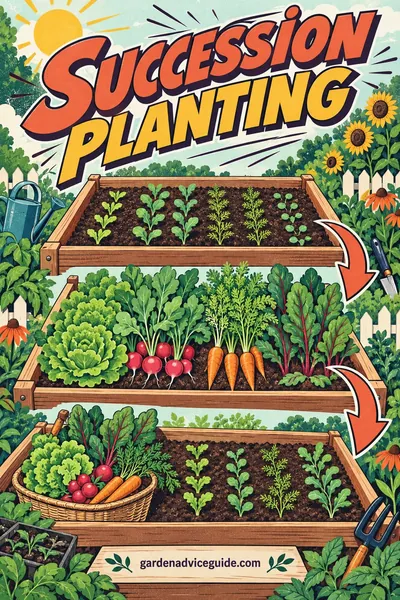
If you're planting in waves rather than all at once, succession planting explains the intervals that keep beans and lettuce coming instead of arriving all in one week.
What flowers to plant in July
July flower planting splits three ways.
Fast annuals from seed, zones 3 to 7. Zinnia (60 days to bloom), cosmos (60 to 75), sunflower (55 to 75 for branching types), nasturtium (50), and calendula (55) all still have time in the first half of July and will bloom until frost. Sow zinnias in early July for a September cutting garden that looks better than the June planting, which by then is covered in mildew.
Perennials and biennials from seed. July is the right month to sow foxglove, hollyhock, sweet William, coneflower, black-eyed Susan, and delphinium for bloom next year. They germinate in warm soil, size up in fall, and overwinter as small plants.
Nursery perennials, planted with care. Container perennials can go in during July if you water them deeply twice a week for six weeks. Plant in the evening, mulch 2 to 3 inches deep, and skip fertilizer until fall.
| Flower | Sow in July? | Days to bloom | Best zones for a July sowing |
|---|---|---|---|
| Zinnia | Yes, first half | 60 to 70 | 3 to 9 |
| Cosmos | Yes, first half | 60 to 75 | 3 to 9 |
| Sunflower, branching | Yes, first half | 55 to 70 | 3 to 9 |
| Nasturtium | Yes | 50 to 60 | 3 to 9 |
| Calendula | Yes, late July | 55 to 65 | 3 to 8 |
| Marigold, French | Yes, first half | 50 to 60 | 3 to 10 |
| Sweet alyssum | Yes, late July | 45 to 55 | 3 to 9 |
| Foxglove (biennial) | Yes, for next year | Blooms next June | 3 to 8 |
| Hollyhock (biennial) | Yes, for next year | Blooms next June | 3 to 9 |
| Pansy and viola | Start indoors late July | 60 to 70 | 5 to 8, for fall display |
July is also when the fall bulb catalogs open. Order daffodils, alliums, camassia, and tulips now for October planting, because the good varieties sell out by late August.
What not to plant in July
Being honest about the misses saves you a bed and a month.
- Tomatoes and peppers from seed, zones 3 to 7. Not enough season left. In zones 8 and warmer, this is exactly the right time for fall transplants.
- Corn, north of zone 6. Sweet corn needs 75 to 100 warm days and finishes poorly in cool nights.
- Winter squash and pumpkins, zones 3 to 6. They'll set fruit that never cures.
- Peas. Wait for August in the north, September in the south. July soil is too warm.
- Garlic. Order now, plant in October. See when to plant garlic for the timing that gives big bulbs.
- Cool-season lawn seed. Late August through September is the window in cool-season zones, not July.
- Melons, north of zone 7. They need 80 to 100 days of real heat.
July garden jobs that matter as much as planting
Water deeply, not often. Established beds want 1 to 1.5 inches a week in one or two soaks. Shallow daily sprinkles in July grow shallow roots that then wilt in August.
Mulch everything you plant. Two to three inches of straw or shredded leaves after the seedlings are up drops soil temperature and cuts watering by roughly a third.
Pull spent crops immediately. A bolted lettuce bed or a finished pea trellis is a July planting slot. Clear it, add an inch of compost, and sow the same day.
Harvest constantly. Beans, cucumbers, and squash shut down production once seeds mature. Picking every other day keeps them setting fruit for weeks longer.
Feed the long-season crops. Tomatoes, peppers, and squash planted in May are hungry now. A side dressing of balanced fertilizer in mid-July carries them to frost.
Frequently asked questions
Is it too late to plant a garden in July?
Not at all, it just changes what you plant. In zones 3 to 6 you have room for beans, squash, carrots, beets, greens, and the entire fall brassica crop. In zones 7 and warmer, July is when the fall tomato and pepper crop gets started. The only real losses are long-season crops started from seed: melons, pumpkins in the north, and Brussels sprouts.
What vegetables can I plant in July for a fall harvest?
Carrots, beets, turnips, kale, collards, chard, kohlrabi, radishes, bush beans, and fall brassicas from transplants. Start broccoli, cabbage, and cauliflower seed in the first two weeks of July and set the seedlings out in early August for heads in October. Our list of what to plant in August picks the calendar up from there.
Can I plant tomatoes in July?
From transplants in zones 8 to 10, yes, and it's the standard fall tomato timing there. In zones 3 to 7, a July transplant of a fast determinate variety (60 to 65 days) can produce in a good year, but a seed sown in July will not finish. Buy a plant rather than starting seed.
Why won't my lettuce and spinach germinate in July?
Both go into thermal dormancy above about 75 to 80°F, which is a built-in survival trick, not bad seed. Pre-sprout the seed in a damp paper towel in the refrigerator for 3 to 5 days, then sow into evening-watered soil with a board or shade cloth over the row until sprouts appear.
What flowers can I plant in July that will still bloom this year?
Zinnia, cosmos, marigold, nasturtium, sweet alyssum, calendula, and branching sunflowers all bloom in 50 to 75 days from a July sowing, which means color from early September until frost. Sow in the first half of the month in zones 3 to 6 and any time in July in zones 7 and warmer.
When should I start fall broccoli and cabbage seed?
Count backward from your first hard freeze: days to maturity from transplant, plus 14 days of fall factor, plus 5 weeks of seedling time. For most of zones 5 to 7 that lands on the first two weeks of July. Germinate the flats in a shaded spot, since brassica seed sulks above 85°F.
Can I plant grass seed in July?
It's the worst month for it in cool-season zones, because bluegrass and fescue seedlings can't survive the heat and the watering demand is punishing. Wait for late August into September. Warm-season grasses like bermuda and zoysia are the exception and do fine sown in July.
Do I need to add compost before a July planting?
Yes, a half inch to an inch worked into the top few inches. Spring crops leave the bed depleted, and July sowings have no time to recover from a slow start. Skip heavy nitrogen for root crops, which fork and go leafy with too much of it.
The short version
July is the pivot point of the growing season. Spend the first ten days finishing summer sowings that need heat, spend the whole month starting the fall garden, and treat soil temperature as the real obstacle rather than the calendar.
Count backward from frost, add 14 days for shortening light, shade your seedbeds, and July turns into the month that fills October. Pull your own dates from our free planting calendar, then use succession planting to keep the harvest arriving in waves instead of all at once.