When Is It Too Late to Transplant Tomatoes? The Cutoff

The honest answer to when is it too late to transplant tomatoes is a subtraction problem: take your average first fall frost, count back the variety's days to maturity, then add 21 more days as a buffer. In zone 6 with an October 15 frost, that puts the last useful transplant date around July 31 for a 55-day cherry tomato and July 1 for an 85-day beefsteak. Past that, the plant grows fine and never ripens fruit.
Everything here hangs on one date. Look up your average first and last frost with our free frost dates tool before you count anything.
Updated September 2026
There are really two versions of this question, and they need different answers. Some people are staring at leftover seedlings in July and want to know if it is worth putting them in. Others are in zone 9 in September, watching a heat wave finally break, and wondering if they can start over. The formula works for both. What changes is which end of the calendar you are counting from.
The Cutoff Formula: Days to Maturity Plus 21
Every seed packet and nursery tag lists days to maturity. For tomatoes, that number is measured from transplant date, not from seed. This trips up a lot of gardeners. An 80-day tomato does not take 80 days from sowing; it takes about 6 to 8 weeks of indoor growing plus 80 days in the ground.
Latest transplant date = first frost date, minus (days to maturity + 21 days).
The 21-day buffer is not padding. It covers three real things:
- Transplant shock. A plant moved into the garden spends 7 to 10 days rebuilding roots before it does anything else. That time is not included in the tag number.
- Slower ripening in cool weather. A tomato that colors up in 6 days during August takes 12 to 14 days in late September, because ripening slows sharply below 65F.
- Harvest window. You want more than one tomato. The buffer gives you 2 to 3 weeks of actual picking instead of a single fruit on frost eve.
If your tag says days from seed rather than from transplant, which happens with some direct-sow varieties, add another 30 days to the count.
When Is It Too Late to Transplant Tomatoes? Cutoff Dates by Zone
These use typical average first frost dates. Substitute your own local date and the arithmetic stays the same.
| Zone | Typical first frost | Early (55 days) | Midseason (70 days) | Late (85 days) |
|---|---|---|---|---|
| 3 | Sep 10 | Jun 26 | Jun 11 | May 27 |
| 4 | Sep 25 | Jul 11 | Jun 26 | Jun 11 |
| 5 | Oct 5 | Jul 21 | Jul 6 | Jun 21 |
| 6 | Oct 15 | Jul 31 | Jul 16 | Jul 1 |
| 7 | Nov 1 | Aug 17 | Aug 2 | Jul 18 |
| 8 | Nov 20 | Sep 5 | Aug 21 | Aug 6 |
| 9 | Dec 15 | Sep 30 | Sep 15 | Aug 31 |
Two caveats sit on top of the table.
In zones 8 and 9, the July and August dates run straight into the heat problem. Tomatoes stop setting fruit when daytime highs stay above 92F or nighttime lows stay above 75F. A plant transplanted in July in Houston survives, sulks, and sets nothing until the nights break in September. It still works, it just does not follow the arithmetic in a straight line.
In zones 3 and 4, the late-variety dates fall in May and June, which is normal planting season anyway. Short-season gardeners are effectively locked out of 85-day tomatoes unless they start indoors early and use a low tunnel. Our guide on when to start tomato seeds covers the indoor head start that makes the difference.
Worked Example: Zone 7, Transplanting on the Fourth of July
A gardener in zone 7 has three leftover plants in 4-inch pots on July 4. Average first frost: November 1.
Plant A, Celebrity, 70 days. July 4 plus 70 days lands on September 12. Add the 21-day buffer and the realistic first-ripe date is October 3. That leaves roughly 4 weeks of picking before frost. This one is worth planting.
Plant B, Sungold cherry, 57 days. July 4 plus 57 is August 30, plus buffer is September 20. Six weeks of harvest. Easily worth it, and cherry tomatoes ripen faster in cool weather than slicers do.
Plant C, Brandywine, 85 days. July 4 plus 85 is September 27, plus buffer is October 18. That is 2 weeks before frost, in the coldest, dimmest ripening conditions of the year. Skip it, or plant it knowing you will be finishing the fruit on a windowsill.
| Plant | Days | First ripe estimate | Weeks before frost | Verdict |
|---|---|---|---|---|
| Sungold cherry | 57 | Sep 20 | 6 | Plant it |
| Celebrity | 70 | Oct 3 | 4 | Plant it |
| Brandywine | 85 | Oct 18 | 2 | Marginal |
The practical takeaway from the math: when you are late, the variety matters more than anything else you can do. Swapping an 85-day tomato for a 57-day one buys you 4 weeks of harvest without changing a single thing about your soil, water, or care.
Too Late in Spring Is a Different Problem
Late spring transplanting rarely fails outright in most of the country. It just costs you harvest time. A tomato that goes in on June 20 instead of May 20 gives you a smaller crop starting a month later, and in a long-season zone that is a perfectly good trade.
Where late spring planting actually breaks down:
Heat pause in the South. Tomatoes transplanted in June in zones 8 to 10 hit the fruit-set wall almost immediately. Pollen becomes sterile above roughly 92F daytime and 75F nighttime. The plant makes flowers, the flowers drop, and nothing happens until temperatures ease. Heat-set varieties such as Heatmaster, Solar Fire, and Phoenix are bred for exactly this window.
Water demand on a young plant in hot soil. A June transplant has a small root system in soil that may already be 85F at 4 inches. It wilts every afternoon for a week. Mulch and consistent water carry it through, and our how often to water tomatoes page covers what consistent actually means in gallons.
Blossom end rot on the first fruit. Late transplants set their first fruit during the hottest, driest stretch, which is when calcium uptake fails most easily. The problem is water regularity, not calcium supply. Our page on blossom end rot walks through the fix.
When a Seedling Itself Is Too Old to Transplant
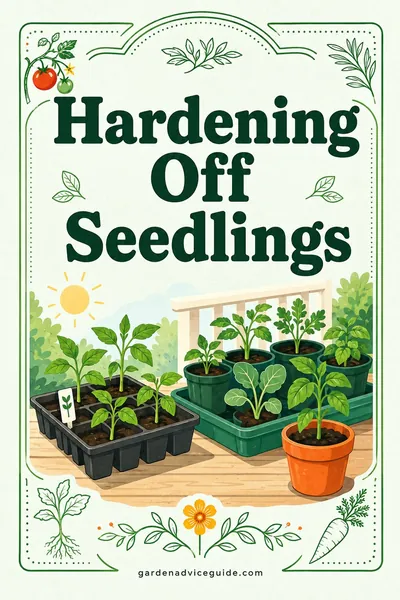
Sometimes the question is not about the calendar. It is about the plant sitting in a cell tray that got away from you.
| Seedling condition | Transplant it? | What to do |
|---|---|---|
| 6 to 8 weeks old, 6 to 10 in tall, stocky | Yes, ideal | Plant deep, bury two thirds of the stem |
| 10 to 12 weeks, leggy, pale | Yes | Bury the stem or trench-plant sideways, pinch off flowers |
| Roots circling the pot in a solid mat | Yes, with prep | Slice the root ball vertically in 3 places, tease roots outward |
| Already flowering in a small cell | Yes | Pinch off every flower and truss for 10 days after planting |
| Fruit already set in a 4-inch pot | Marginal | Pot up instead, or accept a stunted plant |
| Woody brown stem, yellow lower leaves, roots brown and mushy | No | Start over, that plant is done |
Why deep planting rescues an overgrown seedling. Tomatoes grow roots from any part of the stem that touches damp soil. Burying a leggy 12-inch seedling up to its top four leaves turns 8 inches of useless stem into a root system, and the plant catches up to a shorter, better-grown one within about 3 weeks. Strip the leaves off the buried section first.
Why pinching flowers matters on a late transplant. A seedling that flowers in its pot is trying to reproduce before it has any roots to support fruit. Removing those first flowers for 10 days redirects everything into roots and stem, and the plant produces more total fruit, sooner, than one you let carry that first tomato. Details on the rest of the technique are in our when to transplant seedlings guide.
Rescue Moves That Buy You 3 to 5 Weeks
Planting late is not hopeless. Each of these buys back real time.
- Buy the biggest healthy plant you can find. A gallon-pot tomato with 6 weeks of growth on it effectively shifts your transplant date back by that much. This is the single biggest lever in July.
- Choose 50 to 60 day varieties. Early Girl, Fourth of July, Sungold, Glacier, Stupice, Bloody Butcher, and most cherry types finish weeks ahead of slicers.
- Warm the soil. Black plastic or landscape fabric over the bed for a week before planting raises the top 4 inches by 5 to 10F, and warm roots grow faster than cool ones.
- Skip the deep mulch until the plant is established. Straw mulch keeps soil cool, which helps in July heat but hurts a September planting in a cool zone. Match the mulch to the season.
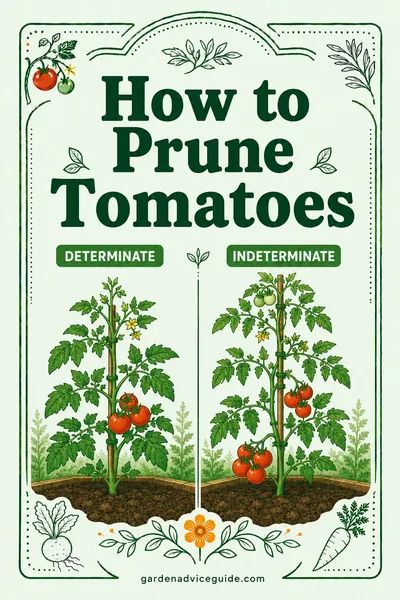
- Prune to fewer stems. On an indeterminate late plant, keep one or two main stems and remove the rest. Fewer growing points means faster fruit on the ones you keep. Our how to prune tomatoes guide covers where to make the cut.
- Top the plant 30 days before frost. Cut the growing tip off every stem. The plant stops making new flowers that will never finish and pours everything into the fruit already on it. This is the most reliable late-season trick there is.
- Cover for frost, then keep going. A single layer of frost fabric or an old sheet over the plant on the first two frost nights often buys 2 to 3 more weeks, because the first frost is usually followed by a warm stretch.
- Ripen the green ones indoors. Pick mature green fruit (full size, glossy, pale at the blossom end) before a hard freeze and hold it at 60 to 70F in a single layer. Most of it colors up over 1 to 3 weeks.
The Southern Second Season: Fall Tomatoes
In zones 8 to 10 the question flips. There, the useful late-summer transplant window is a real planting season, not a rescue.
Transplant in late July through August so the plants are established and flowering when nights finally drop below 75F in September. The fruit sets in the pleasant weather of October and ripens into November or December. In much of zone 9 and coastal zone 10, this fall crop outproduces the spring one, because it never hits a heat wall on the way down.
How to make it work:
- Start seeds indoors in June, or buy transplants in July. Nurseries in the South stock them for this reason.
- Shade the young plants for the first 2 weeks with 30 percent shade cloth or a chair set over them in the afternoon.
- Water daily until established. August soil dries fast.
- Use determinate or heat-set varieties, which concentrate their fruit rather than trickling it out.
- Plan the beds around it with the intervals in our succession planting guide so the fall tomatoes are not competing with a spring crop that has not finished.
For the full season, from seed to harvest and everything between, our how to grow tomatoes guide is the parent page for all of this.
FAQ
Can I plant tomatoes in July?
In zones 5 and warmer, yes, if you pick a variety that matures in 55 to 65 days and buy the largest healthy plant you can find. Count forward from your transplant date, add 21 days, and check that the result lands at least 3 weeks before your average first frost. In zones 3 and 4, a July transplant only works with a low tunnel or a cherry variety.
Is it too late to plant tomatoes in August?
In zones 8, 9, and 10, August is a normal fall planting month and often produces the better of the two annual crops. In zones 6 and 7 it is too late for fruit outdoors unless you are growing cherry tomatoes under cover. In zone 5 and colder, August transplants are only worth doing in containers you can move into a garage or greenhouse.
Do days to maturity start from seed or from transplant?
For tomatoes, days to maturity is counted from the day the transplant goes into the garden, not from sowing. Add roughly 6 to 8 weeks of indoor growing on top of that number if you are planning from seed. A few catalogs measure from seed for direct-sown crops, so check the fine print before you count.
Will a late-transplanted tomato produce less fruit?
Yes, usually. A plant that goes in 6 weeks late has 6 fewer weeks of harvest, and it also ripens its fruit in cooler, dimmer conditions that slow everything down. Expect a fraction of a full-season plant's yield. Choosing an early variety and topping the plant a month before frost recovers a good part of that difference.
What happens if I transplant tomatoes too late?
The plant grows normally, flowers, and sets fruit that never has time to ripen. You end up pulling a plant loaded with green tomatoes on the first hard frost night. That is not a total loss, since mature green fruit ripens indoors at 60 to 70F over 1 to 3 weeks, but the flavor is noticeably flatter than vine-ripened.
Should I remove flowers when transplanting a late tomato?
Yes, for the first 10 days. A seedling that is already flowering has no root system to support that fruit, and the flowers you keep now cost you the ones you would have gotten later. Pinch off every open flower and visible truss at planting, then let the plant flower freely once it has put on new growth.
How late can I transplant tomatoes into a greenhouse or container?
Containers and greenhouses effectively shift your zone by 2 to 4 weeks, because you control soil temperature and can move plants indoors ahead of frost. A 10-gallon pot with a 55-day variety transplanted in early August in zone 6 can still ripen fruit in October if you bring it into a sunroom on cold nights. The limit becomes light, not temperature: below about 6 hours of direct sun, ripening stalls regardless of warmth.
Updated September 2026