Epsom Salt for Plants: Does It Really Work on Tomatoes, Peppers and Roses?

Epsom salt helps plants in one situation: when the soil is genuinely short of magnesium. It is magnesium sulfate, not an all-purpose plant booster, and most garden soils already have enough magnesium. In those gardens, adding Epsom salt does nothing useful, and too much can cause harm. The honest first step is a soil test, which tells you whether magnesium is actually low.
I know that is less exciting than the popular tip of a spoonful in every planting hole. But it saves money and avoids problems, and if your soil really is low, the test tells you that too, so you can fix it properly. Winter is a good time to test, because results come back before spring planting. Below I cover what Epsom salt does, which soils run short, how to read the leaves, and what to do instead when the test says you do not need it.
Key facts
- Epsom salt is magnesium sulfate; it only fixes a magnesium (or sulfur) shortage.
- Most garden soils have enough magnesium; a soil test is the only way to know.
- Low-magnesium soils are often sandy, acidic or heavy in potassium.
- It does not cure blossom end rot, which is about calcium and uneven watering.
- Too much can build up salts and crowd out calcium and potassium.
The Epsom salt checker below gives you a quick, honest answer. Pick your plant: tomatoes or peppers, roses or shrubs, or houseplants or containers. Then pick what you see: yellow leaves with green veins on older leaves, lots of leaves with few fruit or flowers, or a plant that looks fine and that you just want to feed. You get one of three answers: test first, likely not needed, or may help.
Garden Advice Guide · free calculator
Epsom Salt Checker: Test First or May Help
Pick your plant and what you see. You get a test-first, likely-not-needed or may-help answer.
Need more? Open the free Frost Dates.
 Planting Zones
 Frost Dates
 Planting Calendar
Quick reference: should you use Epsom salt?
| Your situation | Epsom salt? |
|---|---|
| Soil test shows low magnesium, normal pH | May help; follow the lab report and label |
| Low magnesium and low pH | Ask about dolomitic lime instead |
| Soil test shows enough magnesium | Skip it |
| Plant looks healthy | Skip it |
| Blossom end rot on tomatoes | Not the fix |
| Houseplants in pots | Usually skip |
What is actually in the bag
Epsom salt is magnesium sulfate, a mineral salt that dissolves easily in water. Plants use magnesium at the center of every chlorophyll molecule, the green pigment that turns sunlight into food, so a real shortage shows up as fading green. Sulfur is a plant nutrient too, but most soils have plenty, especially those rich in organic matter.
Because it dissolves so easily and is cheap, Epsom salt became a garden tradition, passed along as a cure for slow tomatoes, weak roses and pale houseplants. The trouble is that a nutrient only helps when it is missing. If your soil already supplies enough magnesium, extra does not make plants greener, bigger or more fruitful. Extension services generally give the same advice: test, then add only what the test shows you need.
When magnesium really runs short
Magnesium shortages do happen, but in fairly specific conditions. Sandy soils hold nutrients poorly, so magnesium washes out of them, especially where rainfall is heavy or beds are watered a lot. Very acidic soils, with a pH well below about 6.0, often run low in magnesium and calcium at the same time.
Heavy use of potassium fertilizer can also cause trouble, because potassium and magnesium compete for uptake; a plant can look short on magnesium even when some is present. Old potting mix that has been watered for years can lose it too. On the other hand, clay soils and soils built up with plenty of compost usually hold enough. If your garden does not fit any of these patterns, the odds that you need Epsom salt are low.
Reading the leaves
Magnesium moves inside the plant, so when it runs short, the plant pulls it out of older leaves to feed new growth. That is why the classic sign shows up on the lower, older leaves first: the tissue between the veins turns yellow while the veins stay green, often starting at the edges and moving inward. In bad cases those leaves curl, turn brown in patches or drop.
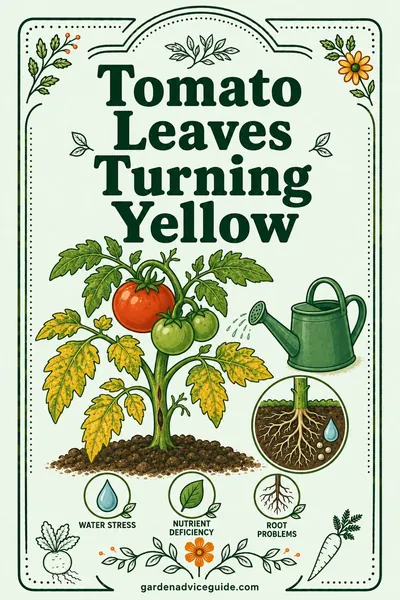
The catch is that many other problems look similar. Uneven watering, cold soil, root damage, low light and shortages of nitrogen, potassium or iron can all yellow leaves. Diseases such as early blight on tomatoes also start on lower leaves. Our guide to tomato leaves turning yellow sorts the common causes by where the yellow appears. That overlap is exactly why guessing with Epsom salt often misses the real problem.
Why a soil test comes first
A basic soil test is inexpensive and tells you far more than any single product can. A standard lab test usually reports pH plus phosphorus, potassium, calcium and magnesium, and it often comes with plain-language recommendations for what to add and how much. Your local cooperative extension office can usually point you to a lab, and our guide on where to get your soil tested explains your options and what to ask for.
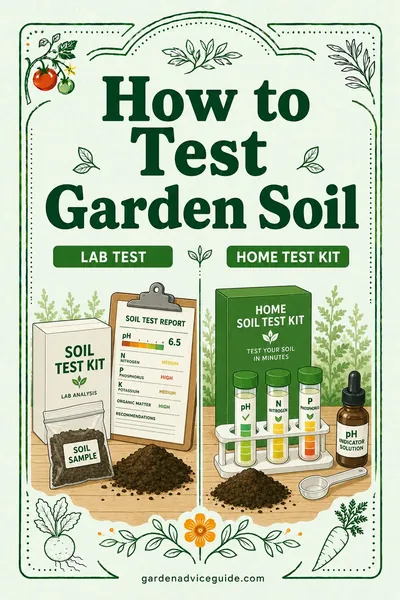
Take samples from several spots in the bed, about 6 inches deep, mix them in a clean bucket and send a cup or two of the blend. Our step-by-step guide on how to test garden soil covers lab tests versus home kits. Many simple home kits measure pH and the three main nutrients but not magnesium, so a lab test is the better choice for this question.
If the test says magnesium is low
Good news: now you have a real reason to act, and a guide for how much. Follow the lab's recommendation for the amount and timing, and the directions on the product you choose.
Check the pH on the same report. If the soil is both low in magnesium and too acidic, labs often recommend dolomitic lime, a type of garden lime that supplies magnesium and calcium and raises pH slowly at the same time. That fixes two problems at once, and Epsom salt cannot do it, because it does not change pH. Our guide on when to lime your lawn explains how lime works on soil pH. If pH is fine and only magnesium is low, Epsom salt is one reasonable way to add it. Retest after a season or two to see where things stand.
Tomatoes and peppers: the most repeated tip
Epsom salt in the tomato hole is probably the best-known version of this advice, and the evidence behind it is mixed at best unless the soil is low in magnesium. A plant that is leafy but sets little fruit is more often getting too much nitrogen or too little sun. A plant with yellow lower leaves needs a diagnosis, not a guess.
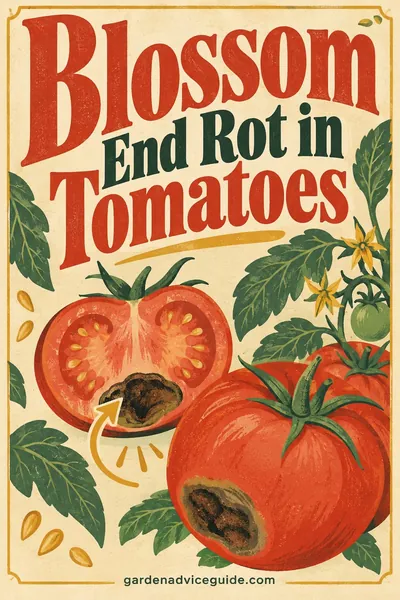
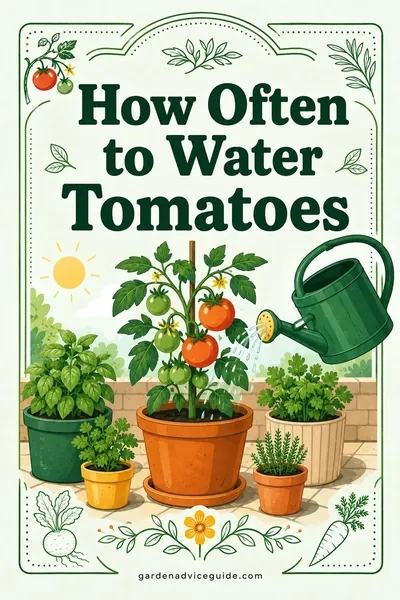
Blossom end rot, the dark, sunken patch on the bottom of tomatoes and peppers, is the big one. It is linked to calcium not reaching the fruit, usually because of uneven watering, and extra magnesium can actually compete with calcium. Our blossom end rot guide explains the real fixes, and our guide on how often to water tomatoes helps keep moisture steady. Tomatoes also do best with soil pH in the right range; see soil pH for tomatoes.
Roses and shrubs
Roses have their own long tradition of Epsom salt, often said to bring more canes and bigger blooms. Again, it can only help if magnesium is actually short. What roses reliably want is at least six hours of sun, deep watering, good air flow, mulch and a balanced feed in the growing season.
If a soil test shows low magnesium in a rose bed, a small amount may help, following the report. If not, your effort is better spent on compost and mulch, which improve the whole soil. Our types of roses guide covers choosing and caring for the different kinds. The same thinking applies to other shrubs: a pale or yellowing shrub deserves a look at drainage, pH and watering before any additive.
Pots and houseplants
Containers are where Epsom salt most often does harm. Salts that would wash deep into garden soil build up in a pot, and a white crust on the soil surface or rim is a sign that they already have. Built-up salts burn root tips and cause brown leaf edges, which can look like a nutrient problem and tempt you to add more.
Most fresh potting mixes and complete houseplant fertilizers already include magnesium. If a houseplant looks pale, check light, watering and when you last repotted first. Flushing the pot by running plain water through it until it drains freely helps clear old salts. Our watering guide explains how to water pots thoroughly without drowning them.
When extra magnesium backfires
Too much Epsom salt causes three main problems. Salts build up in the soil, worst in pots and dry climates, and high salt levels make it harder for roots to take up water. Extra magnesium can crowd out calcium and potassium, so you may create a new shortage while trying to fix one that was never there. And strong solutions poured around roots can burn them.
There is also a quieter cost. Every season spent on a fix that is not needed is a season the real cause goes untreated. That is the main reason I would rather you spend the price of a few bags on a soil test.
A better plan for this winter
Here is a simple plan. In late fall or winter, when the ground is not frozen, take a soil sample and send it to a lab. When the report comes back, read the pH and nutrient levels and note what it recommends. Our guide to what fertilizer numbers mean helps you match a product to the report.
Meanwhile, work compost into your beds, which feeds plants slowly and improves soil structure; see how to compost to make your own. Plan your feeding with our vegetable garden fertilizer schedule, and use the when to plant tool to time spring planting by your ZIP code. More tools are on the Garden Advice Guide home page.
Quick answers about Epsom salt
Is Epsom salt good for plants?
Only when the soil is truly low in magnesium, or occasionally sulfur. Epsom salt is magnesium sulfate, so that is all it can supply. If a soil test shows magnesium is already adequate, adding more will not help plants grow and can build up salts in the soil, especially in pots.
Does Epsom salt help tomatoes and peppers?
It is a very popular tip, but extension services generally find little benefit unless the soil is low in magnesium. Leafy plants with little fruit usually have too much nitrogen or too little sun. Blossom end rot comes from calcium not reaching the fruit, often because of uneven watering, not from a lack of Epsom salt.
What are the signs of magnesium deficiency?
Older, lower leaves turn yellow between the veins while the veins stay green, often starting at the leaf edges. In bad cases the leaves curl, brown or drop. Other problems, from watering trouble to other nutrient shortages and leaf diseases, can look very similar, which is why a soil test is the best first step.
Can Epsom salt hurt plants?
Yes, if you use too much or use it where it is not needed. It can build up salts in the soil, compete with calcium and potassium so roots take up less of them, and burn roots if mixed too strong. Container plants are the most at risk because salts cannot wash away.
Does Epsom salt help roses?
Only if a soil test shows magnesium is low. Roses do best with at least six hours of sun, deep watering, mulch, good air flow and a balanced fertilizer. Test the soil before adding anything, and put your effort into compost and watering if magnesium is fine.
Does Epsom salt change soil pH?
No. Epsom salt is a neutral salt and does not meaningfully raise or lower pH. If your soil is both acidic and low in magnesium, labs often suggest dolomitic lime, which adds magnesium and calcium and raises pH. Follow your soil report for the right product and amount.
What should I do instead of Epsom salt?
Get a soil test, water evenly, add compost and read the report before buying anything. Then add only what it recommends, following the product label. Many yellow-leaf problems turn out to be watering, light or pH, and fixing those does more than any single additive.