What to Plant in May

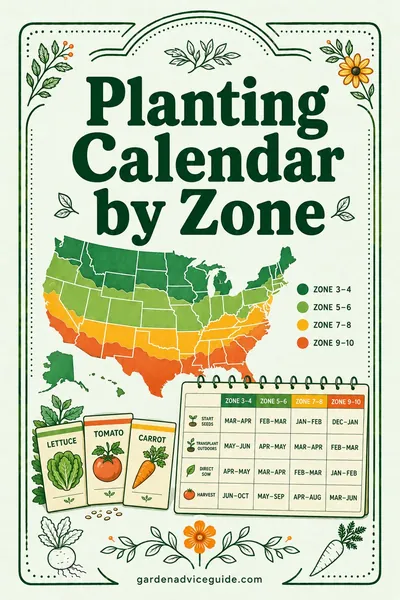
What to plant in May depends entirely on where your last spring frost sits on the calendar. In zones 5 through 7, May is the big warm-season month: tomatoes, peppers, beans, corn, cucumbers, squash, melons, and basil all go out. In zones 3 and 4, the frost date is still ahead of you, so May belongs to peas, spinach, lettuce, carrots, potatoes, and onion sets, with the tender crops waiting for June. In zones 8 through 10, the tomato window has already closed and May is for okra, southern peas, sweet potato slips, and lima beans.
Get your own dates: enter your zip code in our free monthly planting calendar and it will give you a sowing or transplant window for every crop on this page.
Updated September 2026
May is the month gardeners lose the most plants, and the reason is almost always the same. A warm week in early May feels like summer, the garden center is full of tomato plants, and the soil is still at 52°F. Tomatoes set into cold soil sit there sulking for three weeks and get passed by plants set out two weeks later. So every list below is tied to a date, not a feeling.
The one date your May list hinges on
Every planting window in this article is counted from your average last spring frost. Seed packets hide this behind phrases like "sow 2 weeks after last frost," and once you have the date, the rest of the month sorts itself out.
Here are the average last frost dates by zone, from the same dataset behind our frost date tool:
| Zone | Typical last spring frost | What May means there |
|---|---|---|
| 3 | Around May 23 | Hardy sowing month. Tender crops wait for June |
| 4 | Around May 19 | Hardy sowing all month, tomatoes at the very end |
| 5 | Around May 7 | Frost ends early. Warm crops go in mid to late May |
| 6 | Around April 25 | Peak planting month. Everything can go in |
| 7 | Around April 9 | Warm crops early May, then heat crops |
| 8 | Around March 19 | Spring window closing. Okra and southern peas |
| 9 | Around February 9 | Heat crops only. Cool-season is finished |
| 10 | Around January 12 | Tropical staples before the summer rest |
Two cautions. Those dates are averages, which means half of all years the frost comes later. And the spread inside a single zone is wider than people expect, since elevation and distance from water move a last frost by weeks. Look up your zip code rather than trusting the zone number by itself.
The three jobs of May
Every crop this month falls into one of three buckets, and mixing them up is what wastes a whole tray of seedlings.
- Direct sow after frost. Warm-season seed that wants soil at 60°F or better: beans, corn, cucumbers, squash, pumpkins, melons, okra.
- Transplant out. Hardened-off seedlings started indoors weeks ago: tomatoes, peppers, eggplant, basil, tomatillos.
- Direct sow before frost. Hardy seed that shrugs off a light freeze, still fair game in cold zones: peas, spinach, radishes, carrots, beets, lettuce, kale.
If you plant bucket 1 or 2 outside too early, you replace it. If you leave bucket 3 in the packet past mid-May, summer heat gets it before you do.
What to plant in May, zone by zone
The offsets below come straight from the planting calculator, so they match what the tool will tell you for your zip code.
Zones 3 and 4
Your last frost lands somewhere around May 19 to May 23, so most of May is still cold-crop season. That is not a downgrade. The hardy crops you sow now produce in July, and they taste better than the same crops sown in warm soil.
Direct sow outdoors, early to mid May:
- Peas, as soon as the soil crumbles rather than smears
- Spinach, which sprouts in soil as cold as 40°F
- Radishes, ready in 25 to 30 days
- Leaf lettuce, carrots, beets, turnips, and Swiss chard
- Kale and mustard greens
Plant now: seed potatoes and onion sets, both of which want to go in two to four weeks before your frost date.
Transplant out: broccoli, cabbage, cauliflower, and kohlrabi seedlings, which handle a light frost fine under a light garden fabric draped over hoops.
Start indoors, first week of May: cucumbers, summer squash, winter squash, and melons. They want two to three weeks under lights, no more, so a May 2 sowing sets you up for a May 30 transplant. Any earlier and the roots circle the pot.
Wait on: tomatoes, peppers, basil, beans, and corn. Tomatoes go out one to three weeks after frost, which is June for you. Trying to beat that loses you the plants roughly one year in three.
Zones 5 and 6
This is the month the whole garden goes in. Zone 6 frost is around April 25 and zone 5 around May 7, so the entire warm-season list opens up somewhere between the first and third week.
Transplant out, 1 to 3 weeks after your frost date:
- Tomatoes and tomatillos (zone 6: May 2 to 16, zone 5: May 14 to 28)
- Peppers and eggplant, two weeks later than tomatoes, once soil holds 65°F
- Basil, the most cold sensitive thing in the tray
Direct sow after frost:
- Bush and pole beans, once soil reads 60°F
- Sweet corn, in a block of at least four short rows so pollination works
- Cucumbers, summer squash, winter squash, and pumpkins at 65°F soil
- Melons and watermelon two weeks after frost, at 70°F soil
Still fine to sow: carrots, beets, chard, and leaf lettuce early in the month. Peas and spinach are past their window by May in zone 6, and you have about a week left in zone 5.
Plant late May: sweet potato slips, three to six weeks after frost, once nights hold above 55°F.
Zone 7
Frost ended around April 9, so May is your handoff month. Spring crops finish, heat crops start.
- First two weeks: last call for peppers, eggplant, melons, and any tomato you still want in the ground. Tomatoes set out after mid-May in zone 7 often hit the midsummer heat before they set much fruit.
- All month: beans, corn, cucumbers, and squash.
- Mid to late May: okra, southern peas, sweet potato slips, and lima beans. These four are what keep a zone 7 garden productive through July and August.
- Skip: lettuce, spinach, peas, and cilantro. They bolt within three weeks of a hot spell.
Zone 8
The spring tomato window closed in April. Planting one now usually gets you a big green plant with no fruit, because tomatoes stop setting once nights stay above about 75°F.
Plant this month instead: okra, southern peas, sweet potatoes, lima beans, Malabar spinach, peanuts, hot peppers, and cantaloupe. Sow a second round of bush beans early in the month, then stop until August.
Late May is also when you plan the fall garden. Brassica seed for a September transplant gets started in July, and the beds those go into should be mulched now rather than left bare in the sun. Our mulch guide covers depth by material.
Zones 9 and 10
Frost is not the limiting factor here. Heat is, and the gardening year is inverted, with cool-season crops grown in winter and midsummer treated as the gap.
May crops are okra, southern peas, sweet potatoes, Malabar spinach, yard-long beans, eggplant, and hot peppers, all of which genuinely want a Gulf Coast summer. Everything else is maintenance: shade cloth over anything still producing, mulch on every bare inch, and a plan for the August replant.
Vegetables to plant in May, with the numbers
Soil temperature settles more May arguments than any calendar does. Push a soil thermometer 3 inches down and read it mid-morning, not at 4 p.m. when the surface is warm and the root zone is not.
| Crop | Minimum soil temp | Window vs last frost | Days to harvest |
|---|---|---|---|
| Bush beans | 60°F | 1 to 6 weeks after | 50 to 60 |
| Pole beans | 60°F | 1 to 4 weeks after | 60 to 70 |
| Sweet corn | 60°F | 1 to 6 weeks after | 70 to 95 |
| Cucumbers | 65°F | 1 to 4 weeks after | 50 to 65 |
| Summer squash | 65°F | 1 to 4 weeks after | 45 to 60 |
| Winter squash | 65°F | 1 to 3 weeks after | 85 to 110 |
| Pumpkins | 65°F | 1 to 3 weeks after | 95 to 120 |
| Tomatoes (transplant) | 60°F | 1 to 3 weeks after | 60 to 85 |
| Peppers (transplant) | 65°F | 2 to 4 weeks after | 65 to 85 |
| Melons | 70°F | 2 to 4 weeks after | 75 to 95 |
| Okra | 65°F | 2 to 5 weeks after | 55 to 65 |
| Sweet potato slips | 65°F | 3 to 6 weeks after | 90 to 120 |
| Carrots | 45°F | 3 weeks before to 3 after | 65 to 80 |
| Leaf lettuce | 40°F | 4 weeks before to 2 after | 45 to 55 |
Spacing matters more in May than any other month, because everything you plant now is going in at its final home. A tomato caged at 24 inches in row and a tomato staked at 18 inches are two different gardens by August. Run your bed through the plant spacing calculator before you dig, and read how to grow tomatoes if you are setting out more than a couple of plants.
What herbs to plant in May
May is the best herb month of the year, because the tender ones can finally go outside and the hardy ones are still cool enough to establish.
After your frost date:
- Basil, sown or transplanted two to four weeks after frost. Leaves blacken below about 50°F, so it goes out after the tomatoes, not with them.
- Lemon basil, Thai basil, and shiso, on the same schedule.
Right now, frost or not:
- Cilantro, sown two weeks either side of your frost date. It bolts in heat regardless of what you do, so sow a short row every two to three weeks instead of one long one.
- Dill, direct sown only. It has a taproot and resents being moved.
- Parsley transplants, set out two weeks before frost through one week after.
- Chives, which are perennial and will outlive the bed.
Transplants that go out once the soil warms: rosemary, thyme, sage, oregano, and lavender. These want lean, fast-draining soil and about half the water your vegetables get. Plant mint in a buried pot or a separate container unless you want it everywhere.
What flowers to plant in May
Flowers earn their bed space twice, once for looks and once for the pollinators that set your squash and cucumbers. Our guide on how to attract pollinators has the plant list that pulls the most bees.
Direct sow after frost:
- Zinnias, cosmos, and marigolds, all of which germinate in about a week in 70°F soil
- Sunflowers, sown in succession every two weeks through June for a long bloom run
- Nasturtiums, which prefer poor soil and sulk in rich beds
- Morning glory and moonflower, seeds nicked with a file and soaked overnight
Plant as tubers, corms, or bulbs after frost:
- Dahlia tubers, 4 to 6 inches deep, with the stake going in the same day
- Gladiolus corms, planted every two weeks from now through early July so the spikes do not all open at once
- Caladiums and elephant ears, once soil is above 65°F
Set out as transplants: petunias, impatiens, begonias, and coleus for shade, plus salvia and lantana for the hot spots.
A worked example: a zone 6 garden in May
Say you are in zone 6 with an April 25 last frost, working a 4 by 8 raised bed plus one row of corn.
Saturday, May 2 (one week after frost):
- Set out 4 caged tomatoes at 24 inches apart in row. In a 4-foot-wide bed that is two rows of two.
- Direct sow bush beans, 4 inches apart in row, rows 24 inches apart.
- Direct sow the corn block: four rows, seeds 12 inches apart, rows 30 inches apart.
- Soil temperature check first. If the thermometer reads under 60°F at 3 inches, the beans and corn wait a week. They lose nothing by waiting and they rot if you rush.
Saturday, May 9 (two weeks after frost):
- Set out 6 peppers at 18 inches apart.
- Set out basil at 12 inches apart, tucked between the peppers.
- Direct sow cucumbers along the trellis at 8 inches apart.
Saturday, May 16 (three weeks after frost):
- Direct sow two summer squash at 24 inches apart, which is enough for a household.
- Sow a short second row of bush beans for succession.
- Sow zinnias along the sunny end of the bed.
That schedule spreads the work across three weekends, keeps every crop in its correct soil temperature, and leaves the bed fully planted by the third week of May. Everything set out from the tray should be hardened off first, which takes about a week of gradually longer outdoor sessions. Our guide to hardening off seedlings has the day-by-day version.
What not to plant in May
Some crops fail in May for reasons no amount of care fixes.
- Peas and spinach in zone 6 and warmer. Both shut down once daytime highs settle above 80°F, and they need 55 to 70 days. Sow them in fall instead.
- Head lettuce past early May. Leaf lettuce is more forgiving. Head types need the whole run in cool weather.
- Garlic. It is a fall crop everywhere. Planted in May it makes a scallion, not a bulb.
- Cauliflower in zones 7 and warmer. Any check in growth makes it button into a useless head, and May heat is that check.
- Anything tender in zones 3 and 4 before the third week. A single 30°F night takes out an entire tray.
Succession sowing keeps May working through August
The single highest-return May habit is sowing small and often instead of everything at once. Bush beans planted in one big row give you three overwhelming weeks and then nothing. The same seed split into rows two weeks apart gives you eight steady weeks of picking.
Crops worth succession sowing this month:
| Crop | Sow every | Stop sowing |
|---|---|---|
| Bush beans | 2 weeks | Midsummer |
| Radishes | 10 days | When highs pass 80°F |
| Leaf lettuce | 2 weeks | When soil passes 80°F |
| Cilantro | 2 to 3 weeks | When highs pass 85°F |
| Sunflowers | 2 weeks | Mid-June |
| Sweet corn | 2 weeks | Count back from first fall frost |
There is more on planning those waves, including how to use the same bed three times in a season, in our guide to succession planting.
FAQ
Is it too late to plant tomatoes in May?
Not in zones 3 through 7. Zone 7 gardeners should aim for the first two weeks of May, and zone 6 has all month. In zone 8 and warmer, a May tomato usually grows well and then refuses to set fruit once nights stay above 75°F, so the better move is to wait and plant a fall crop in August.
What can I plant in May that grows fast?
Radishes are the fastest thing in the garden at 25 to 30 days. Leaf lettuce comes in at 45 to 55 days, arugula at 35 to 45, and bush beans at 50 to 60. Summer squash surprises people at 45 to 60 days from seed, which means a May 15 sowing is picking by early July.
Can I plant seeds directly in the ground in May?
Yes, and for beans, corn, squash, cucumbers, melons, and okra it is the better option, since those crops resent root disturbance. The rule is soil temperature, not date. Beans and corn want 60°F, the vine crops want 65°F, and melons want 70°F. Read the thermometer at 3 inches deep, mid-morning, for three days running before you commit.
What vegetables can I plant in May in the South?
In zones 8 through 10, plant okra, southern peas, sweet potato slips, lima beans, Malabar spinach, peanuts, hot peppers, and cantaloupe. These are the crops that produce through a southern summer instead of stalling in it. Skip lettuce, spinach, peas, broccoli, and cilantro until the fall window opens.
Should I plant flowers before or after my last frost?
Hardy annuals like calendula, sweet peas, and larkspur can go out two to four weeks before the frost date. Tender annuals like zinnias, marigolds, cosmos, and celosia go in after it, once soil is above 60°F. Dahlia tubers and caladiums want 65°F soil, which usually means a week or two later still.
How is May planting different from April?
April is about hardy seed and indoor sowing, and May is about tender crops and transplants. If you are catching up from last month, what to plant in April has the hardy list, and what to plant in June covers what still has time if May got away from you.